Noise
ISSUE NO. 04: GIRLHOOD IN TOKYO
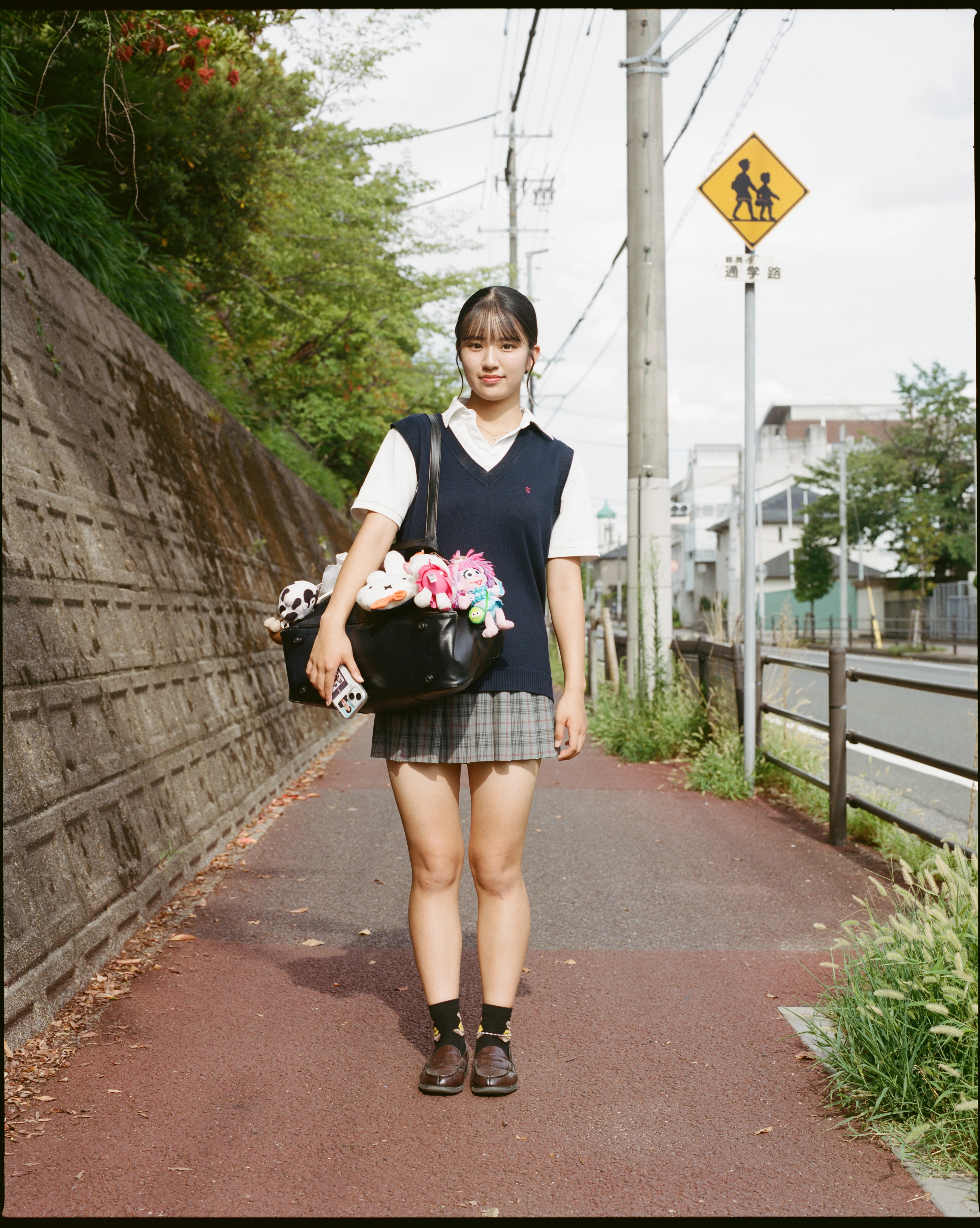
Chihiro
GIRLHOOD 青春
Words: 1895
Estimated reading time: 11M
The Japanese word seishun, meaning the “blue spring” of youth, glimmers in late-night secrets, endless laughter, and the quiet beauty of growing up in Nagoya
By Marigold Warner
Growing up, I always longed to be a Japanese girl. In many ways, I was: half Japanese by blood, fluent in the language, and born to bear the lifelong judgment of a strict Japanese parent. But in all the ways that mattered most to me, I wasn’t a Japanese girl at all. I attended an international school, meaning I never had a cute uniform, shiny loafers, or a boxy leather schoolbag. I envied the girls I saw on my morning commute, with their silky black hair, perfectly combed fringes, and flip phones encrusted with rhinestones and shiny Sanrio stickers.
In my imagination, to be a Japanese girl was to be the luckiest of creatures. It meant sipping on unlimited refills of neon green soda and singing J-pop ballads in karaoke booths. It meant gossiping in schoolgirl slang—to me, a secret language—over towering parfaits and wobbly cheesecake. It meant being part of the most idealised cohort of society: a fleeting period of life known in Japan as seishun.
In English, the word seishun (青春) translates simply to ‘youth.’ But in Japanese, it holds a deeper significance. The word is made up of two characters: blue (青) and spring (春). They separately represent innocence and impermanence, together encompassing not just an age range but the abstract emotions and experiences associated with coming-of-age. It’s one of the most common themes in Japanese art—from manga and anime, to literature, film, and music—highlighting all the sweet, sticky, bright, and brutal realities of being young.
Photographer Fumi Nagasaka spent her seishun in Nagoya, the capital of Japan’s Aichi Prefecture. “Youth has been a long-time theme in my photography,” says the New York-based artist, who has published three books tracing the lives of young people across Europe, the US, and Japan. This year, for the very first time, Fumi returned to photograph youth in her home city. She spent two days with Cocona, Saki, and Chihiro: three best friends in their final year of high school. They roamed the city in their uniforms—the same streets Fumi herself once wandered—playing arcade games, posing in Purikura photo booths, and stopping at retro cafes and kitschy stationary stores along the way. “It was all very similar to what I used to do at 17,” Fumi reflects. “They go to karaoke, they take photos together, they hang out in town. But it’s also layered with new culture.”
Girlhood in the ’90s was analog. Trends were shaped by street culture, television idols, and cult magazines like FRUiTS. Today, music, beauty, and fashion trends are driven by TikTok, beamed in from all corners of the world. This mix of familiarity and difference is the basis of this story. It’s a snapshot of girlhood in 2025, seen through the friendship of Cocona, Saki, and Chihiro.
The girls greet me in a panic. Squished side-by-side into the vertical frame of Instagram video, Cocona’s phone flips upside down as she fumbles with the controls. For a short moment, all I see is McDonald’s wallpaper and a blur of schoolgirl sleeves. The technical issues are quickly sorted; the girls are deeply apologetic for the inconvenience. It’s the perfect introduction: endearing, unfiltered, and unmistakably teenage.
The girls begin by recalling their early days as friends. They met in the first year of high school through the handball team. For the past three years, they’ve been training side by side, six sessions a week. “It’s tiring for sure,” says Cocona. “But if we didn’t have handball, I don’t think we would have become friends, because we weren’t in the same class.” Now, after hundreds of hours of training, their bond is unshakeable. Most of their conversations circle around handball, classroom antics, and—inevitably—boys. They spend their free time together in town, often chasing TikTok trends. This could be lining up for hours to try a new flavor of jiggly cheesecake. Or, waking up at the crack of dawn to get limited-edition Happy Meal toys at McDonald’s. This culture of collecting is a huge part of being a JK—shorthand for joshi kōsei, literally meaning “high school girl”—they say. “There’s always a big rush when limited toys come out,” says Cocona. She holds up a small portable fan, jingling with what must be about 20 miniature mascots hooked to its frame. Characters from Sanrio, Disney, Jewelpet, Sumikko Gurashi, and Monchhichi are most popular, she explains. And now, of course, Labubu. The bug-eyed goblin is a global obsession, and in Nagoya, it’s no different: “Every girl is going all out,” Cocona says, and with sincerity: “It’s a war.”
The rise of kawaii culture is closely tied to JK identity. This carries an enormous cultural weight in Japan, and uniforms play a big part in the allure. “Some girls even choose their schools based on the uniform,” says Cocona. Many wear them outside of school, too—at Disneyland or to the beach, mostly to take photos for social media. For Cocona, Chihiro, and Saki, this is an intrinsic part of being a JK too. “I only have half a year left, so I want to do as much of these activities as I can,” says Saki. What else constitutes a typical JK activity, I ask? The answers are charmingly innocent. Being a JK means staying up past curfew on school trips or secretly making TikToks in class. “Last Valentine’s Day, we told teachers that we were organizing a study session. Instead, we threw a cake party,” Cocona proudly recalls. “We got into so much trouble. But before we graduate, my aim is to have a hot pot party on school grounds—definitely without the teachers catching me this time. That’s the main goal.”
Here in Japan, Girlhood is a rose-tinted bubble. It’s no surprise that these years are so cherished in the eyes of the country’s artists, musicians, and directors, given Japan’s strict work culture and social expectations. And for these girls, the prospect of leaving it behind is bittersweet. “I’m excited for the freedom of adulthood—like being able to get a driver’s license,” says Chihiro. Saki agrees: “I’m sad to leave the identity of being a schoolgirl behind, but once you become an adult, you can do so much more with your life, so I’m excited.” The girls dream of traveling to Europe, the US, and Australia—ideally for weeks at a time. Saki has just applied for her first passport: “I have a favorite idol group from Korea, BOYNEXTDOOR, so I’m saving up to go see them perform,” she says.
Professionally, their paths are varied. Cocona and Chihiro are heading to the same university to pursue medical administration, while Saki hopes to work in design or behind the scenes in theatre. But when it comes to personal dreams, tradition and societal conventions prevail. “I want to be a wife and a mother,” says Chihiro; the other girls nod. “And I’d like to be married by 25.” When I ask about the rigid social codes in Japan, they hesitate. “Sometimes I feel like Japan could be more open like other countries,” Cocona says. “But it’s also peaceful, so I feel safe as a girl here.”
Still, the pressure to conform to Japan’s rigid ideals of beauty weighs heavily on them. Pale skin, large eyes, slim figures, and straight hair—these are the markers of desirability. “I tan easily, but in Japan, white skin is seen as more beautiful,” Chihiro says. Cocona nods: “I also feel insecure, because I’m naturally quite muscular, so it’s hard for me to get a really thin physique.” Cosmetic surgery is increasingly common, too, they say. Cocona has already had double-eye surgery, one of the most common procedures in East Asia. It involves creating a crease in the lid to make the eyes appear bigger. “My life has changed,” she says earnestly. “I’m so much more confident. Before, I wasn’t really into eye makeup, but now it’s so much fun trying out all the different looks I could never do before.”
As we wrap up the call, I tell them about how much I admired Japanese girls when I was younger. They look at each other wide-eyed and burst into protest—Cocona insists, “but we also think foreign girls are so cute, we want to be like them.” How would you advise someone like me to become a JK? It’s easy, they tell me: wear the uniform, shorten your skirt (but not too short), follow the latest makeup trends, and spend your afternoons with other JKs.
We end the call with a rush of bows, squealing goodbyes, and frantic waves. As the screen goes dark, I’m left to reflect on my own girlhood. In a culture ruled by strict social codes and a weariness to difference, I once thought there was no way a girl like me could ever belong. But in their absence, I realize it’s not the uniforms, straight hair, or TikTok trends that define their girlhood. It’s about being present in those acts together. Syncing outfits, trading charms, getting ready side by side. The more I look, the more I see it all around me, too. I see it on the back of my phone, covered in stickers gifted by my best friends. I see it in my makeup bag, a jumble of cosmetics either bought or recommended—some as old as the girls I’ve just been speaking to.
After spending an hour with these girls—the creatures I envied for so long—I realize that seishun isn’t something that I missed out on or lost. And for Cocona, Saki, and Chihiro, I suspect it will be the same. Youth itself might be fleeting, but within all the treasures, the glow of seishun will last forever.
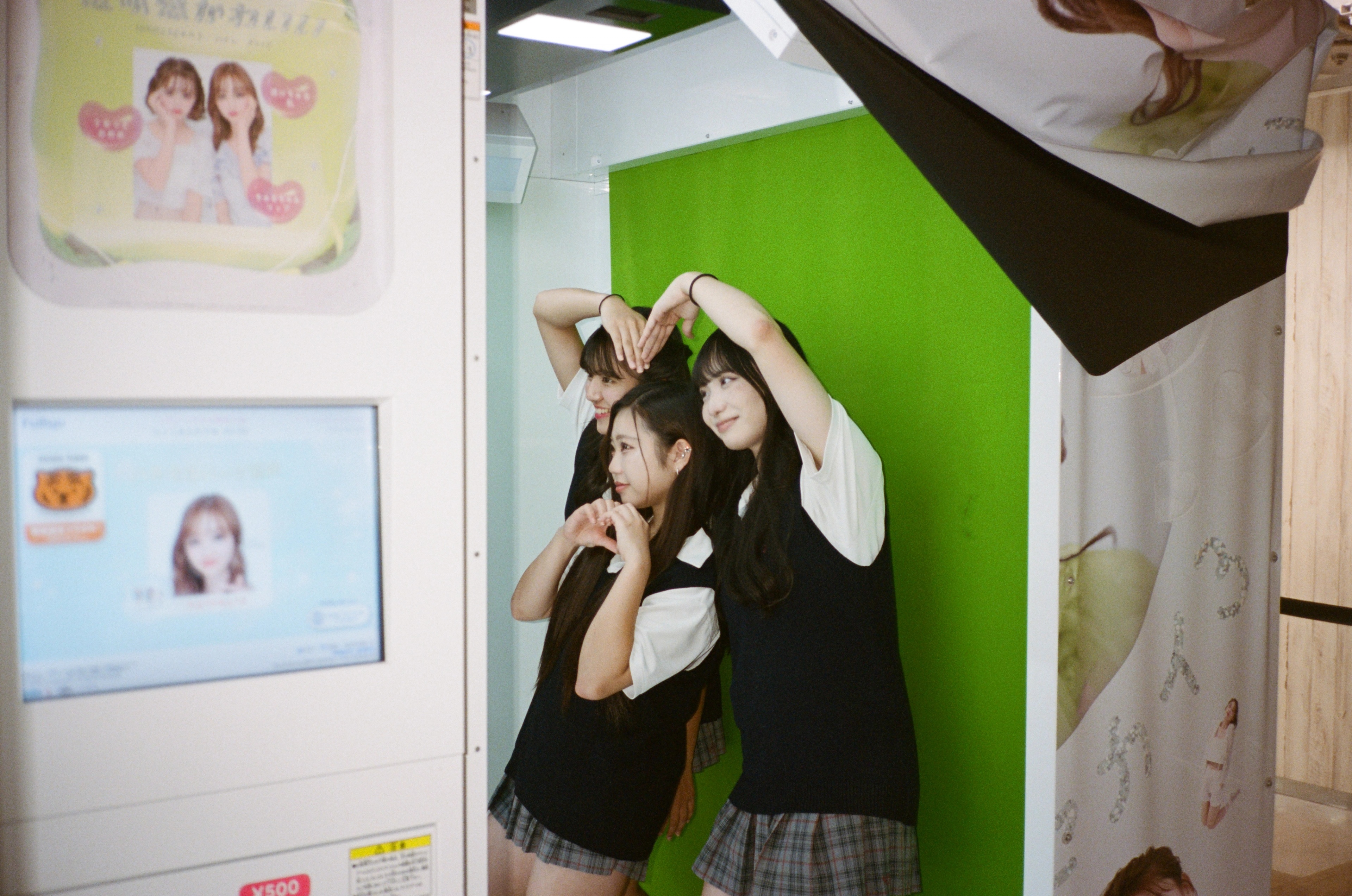
Chiriro, Cocona, and Saki
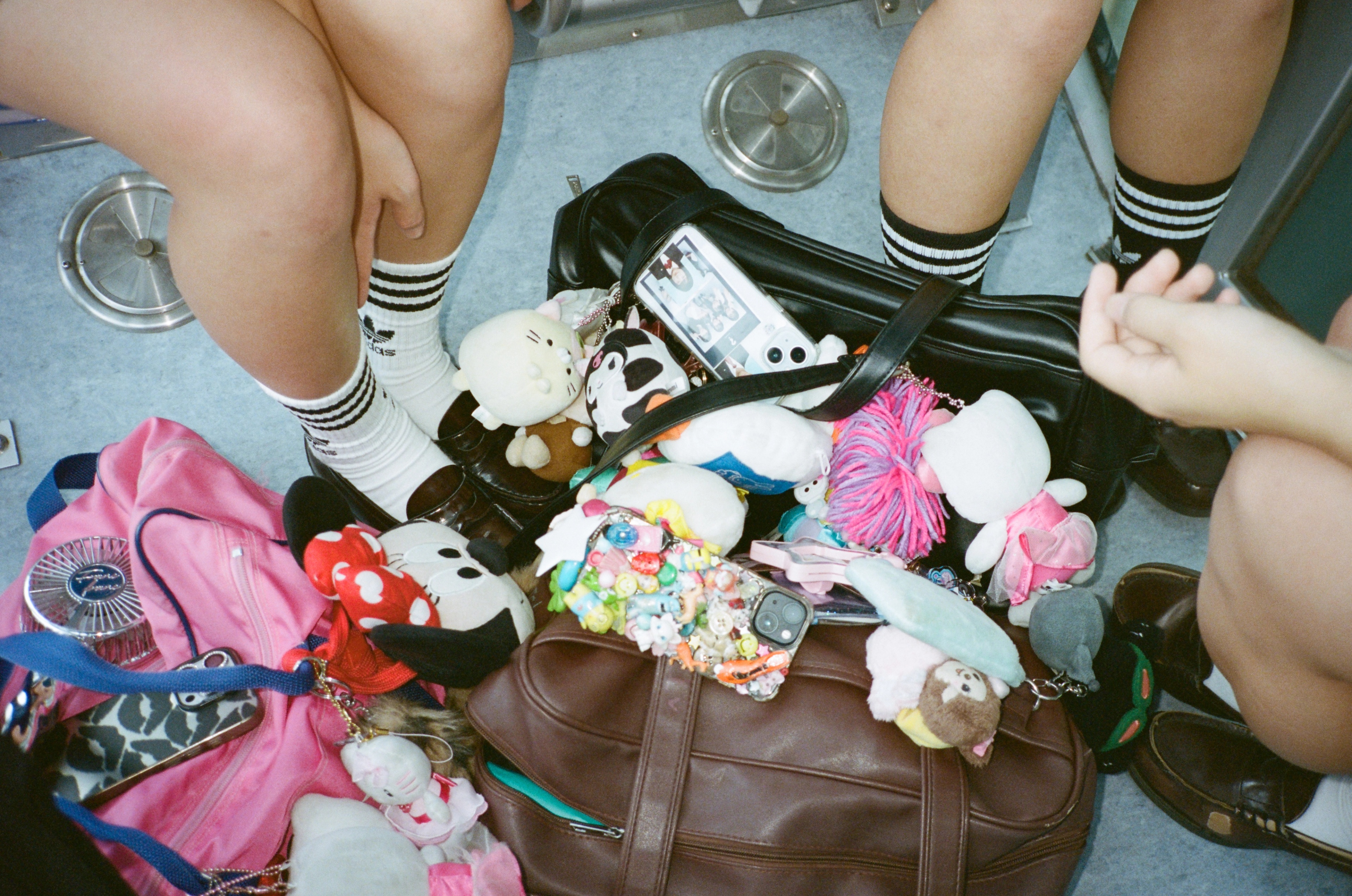
Cocona, Chihiro, and Saki
“It’s not the uniforms, straight hair, or TikTok trends that define their girlhood. It’s about being present in those acts together.”
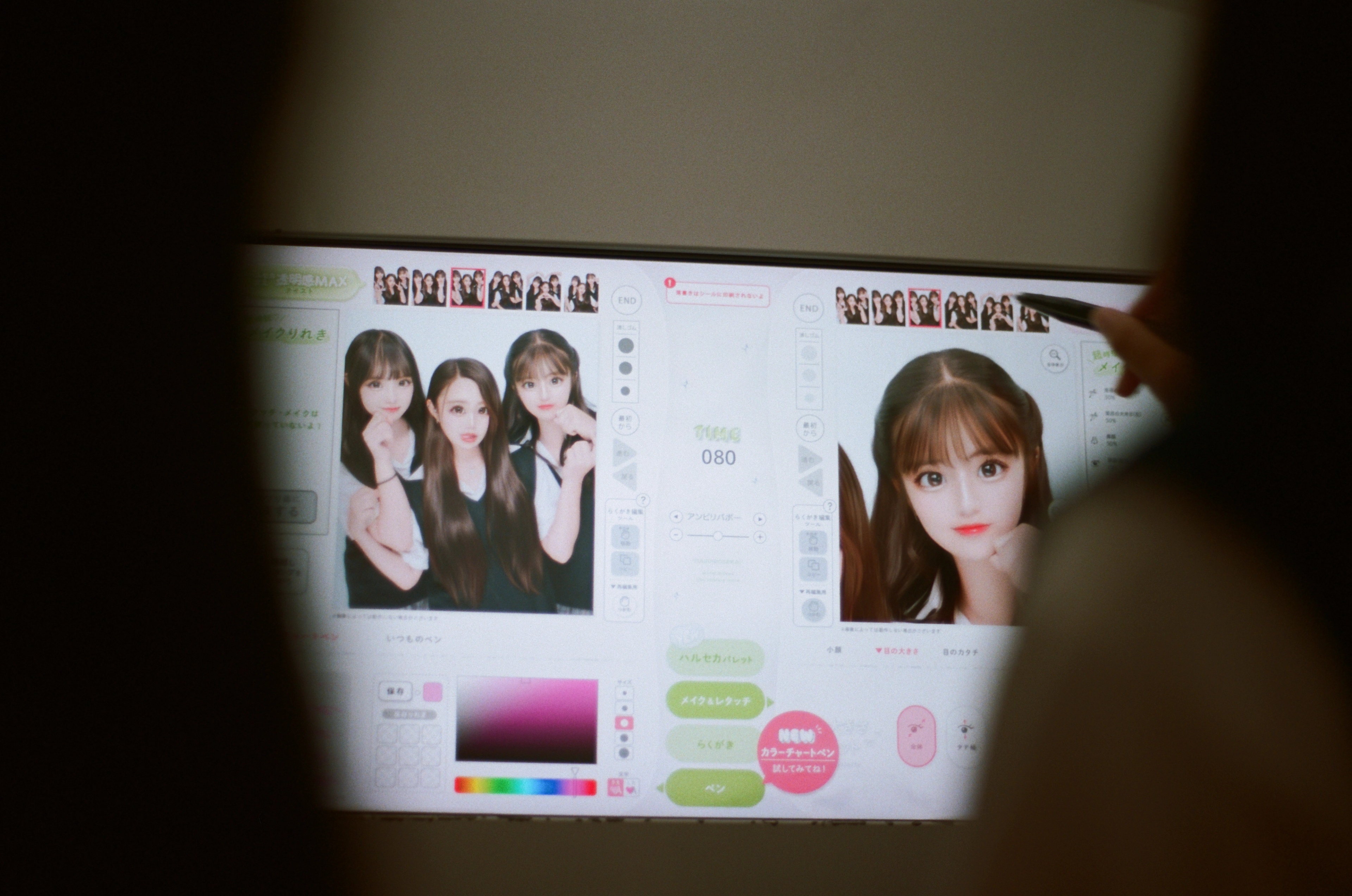
Cocona, Chihiro, and Saki
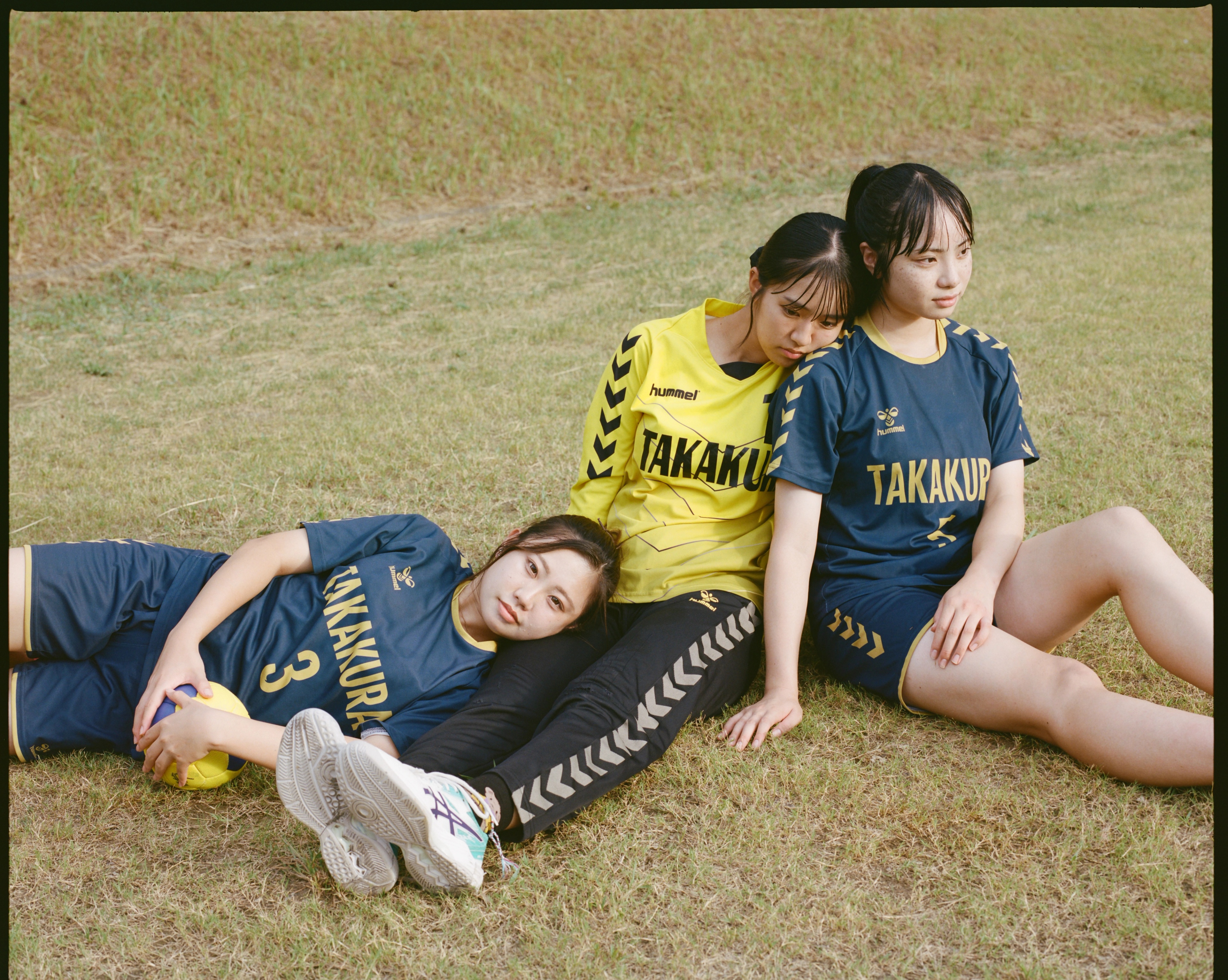
Cocona, Chihiro, and Saki
PHOTOGRAPHY
FUMI NAGASAKA
Beyond Noise 2026
PHOTOGRAPHY
FUMI NAGASAKA
Beyond Noise 2026