Noise
GIRLHOOD: KOREA
GIRLHOOD: KOREA
Words: 875
Estimated reading time: 5M
ON COMING OF AGE AS A COLLECTIVE—ALWAYS TOGETHER, FOREVER ENTANGLED—IN SOUTH KOREA.
By Sungwon Serena Park
When this Girlhood in Korea story was confirmed, the question that first came to mind for me was deceptively simple: How could we translate the word girlhood into Korean?
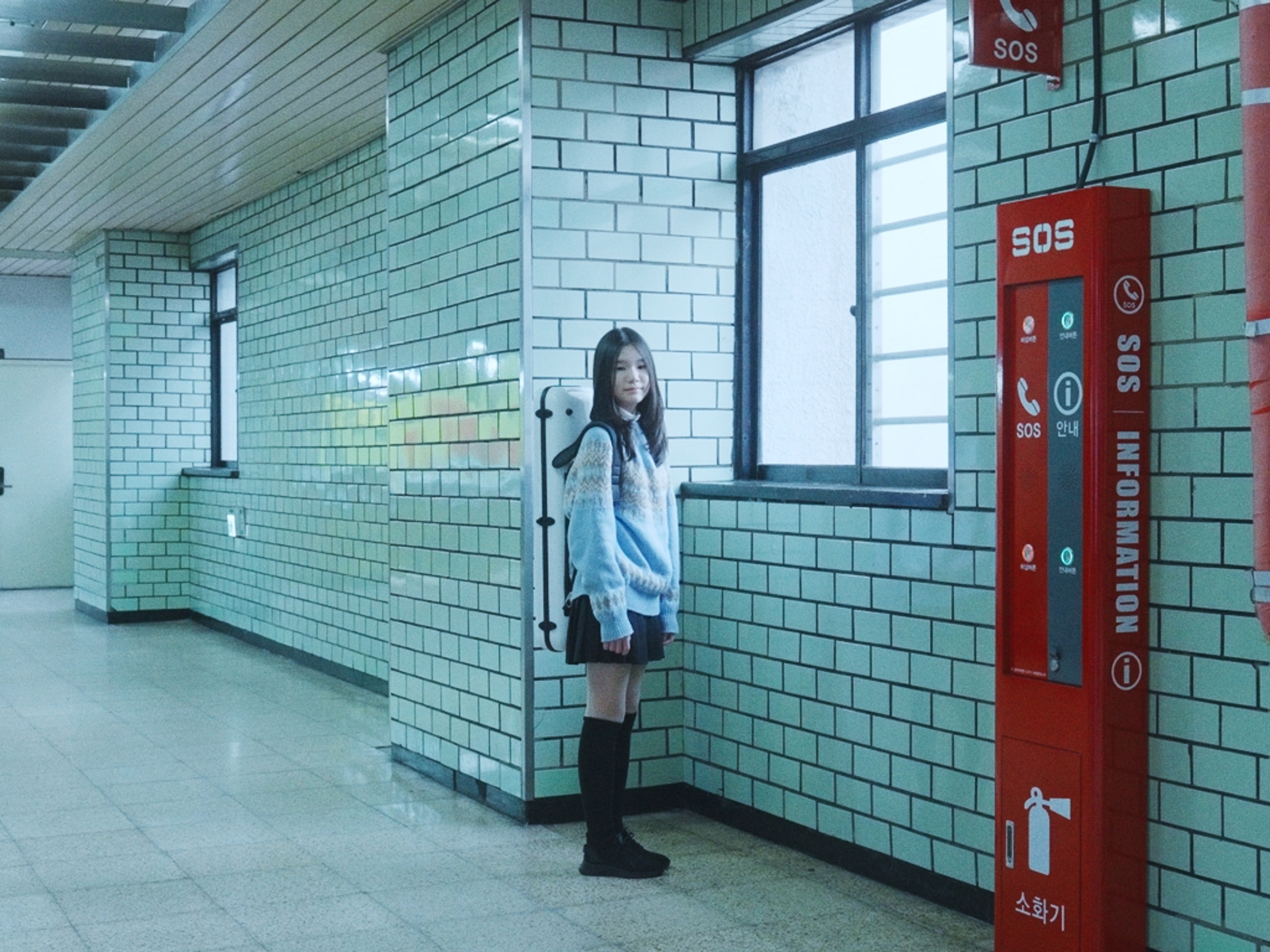
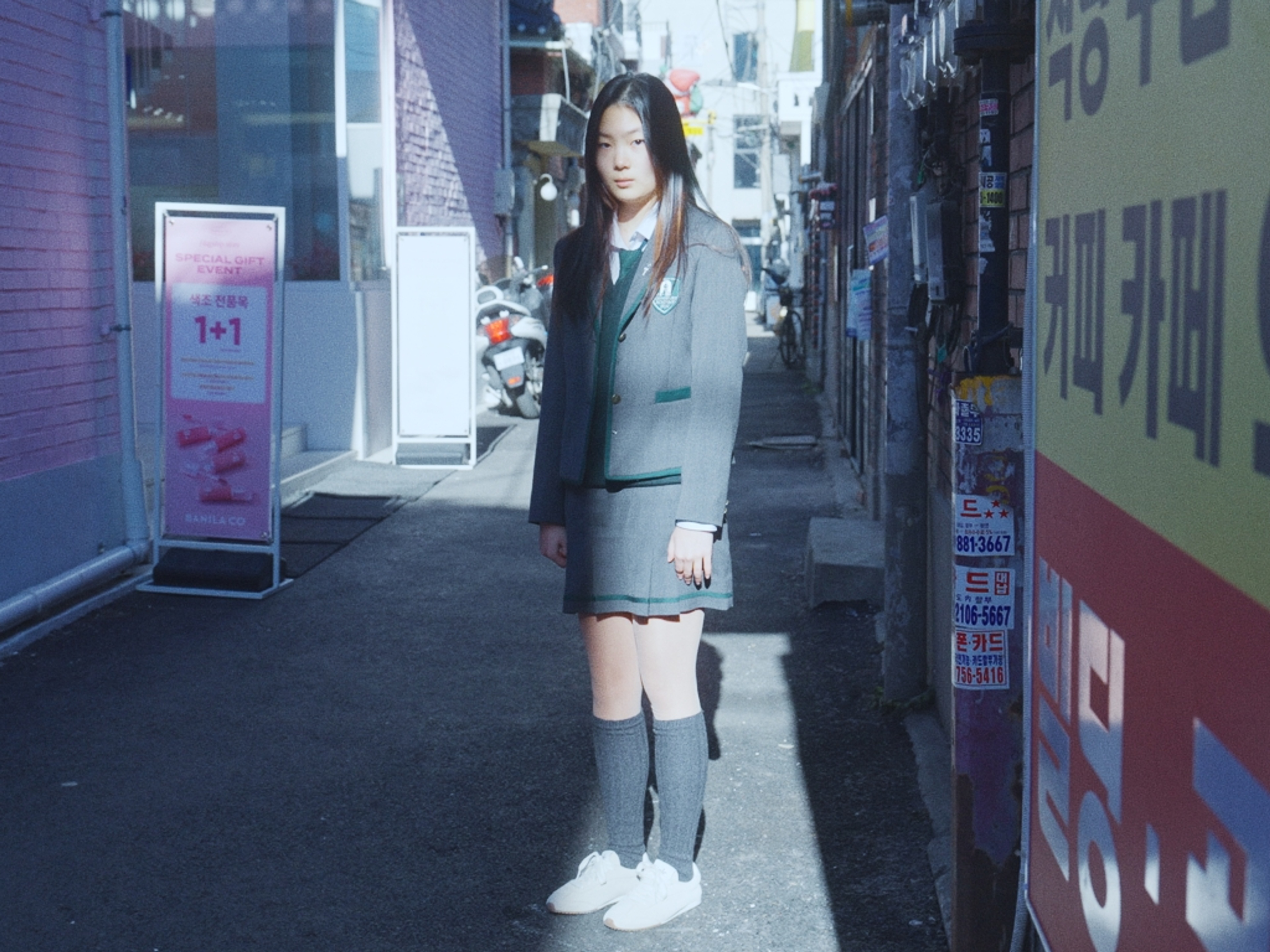
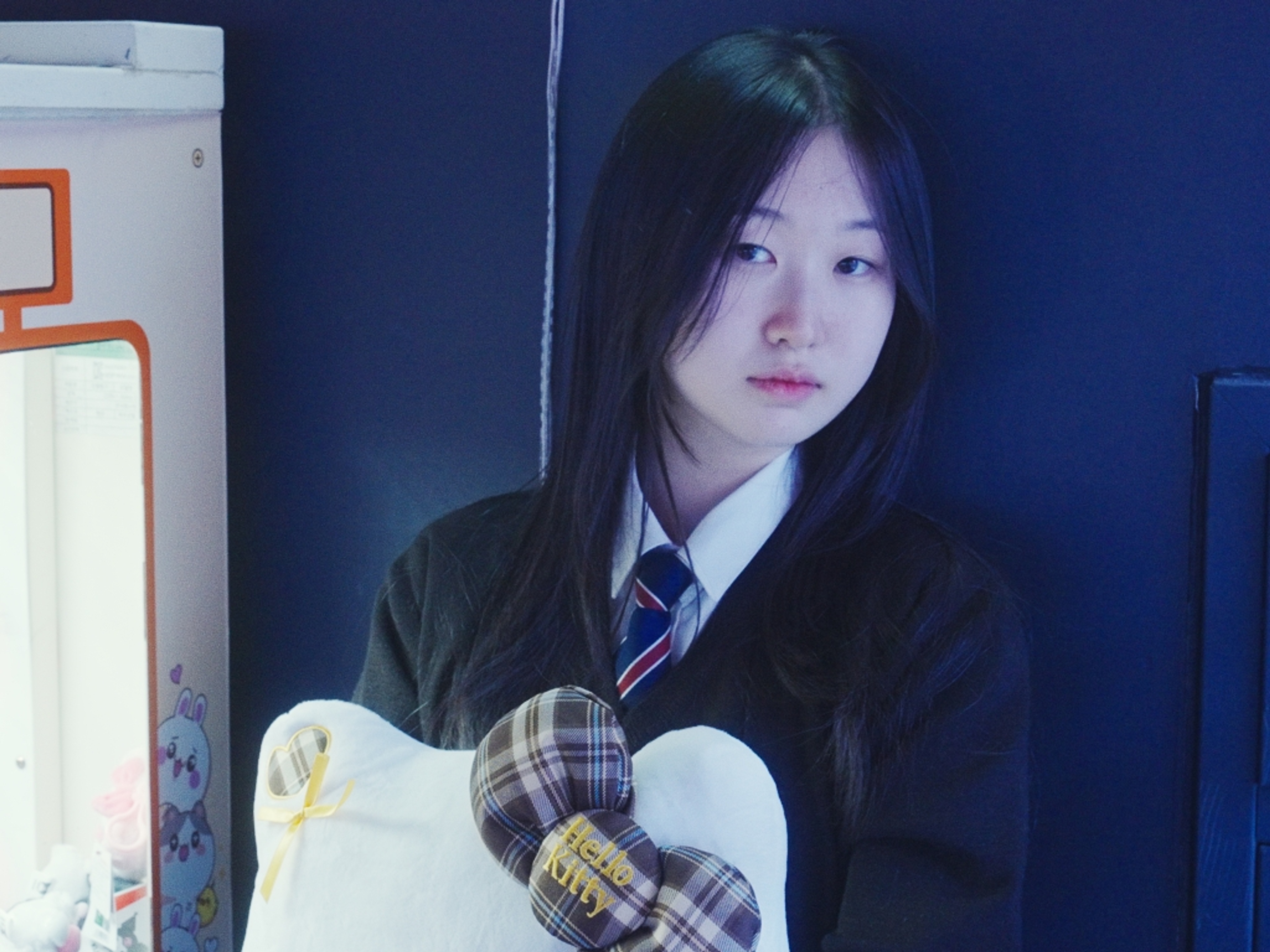
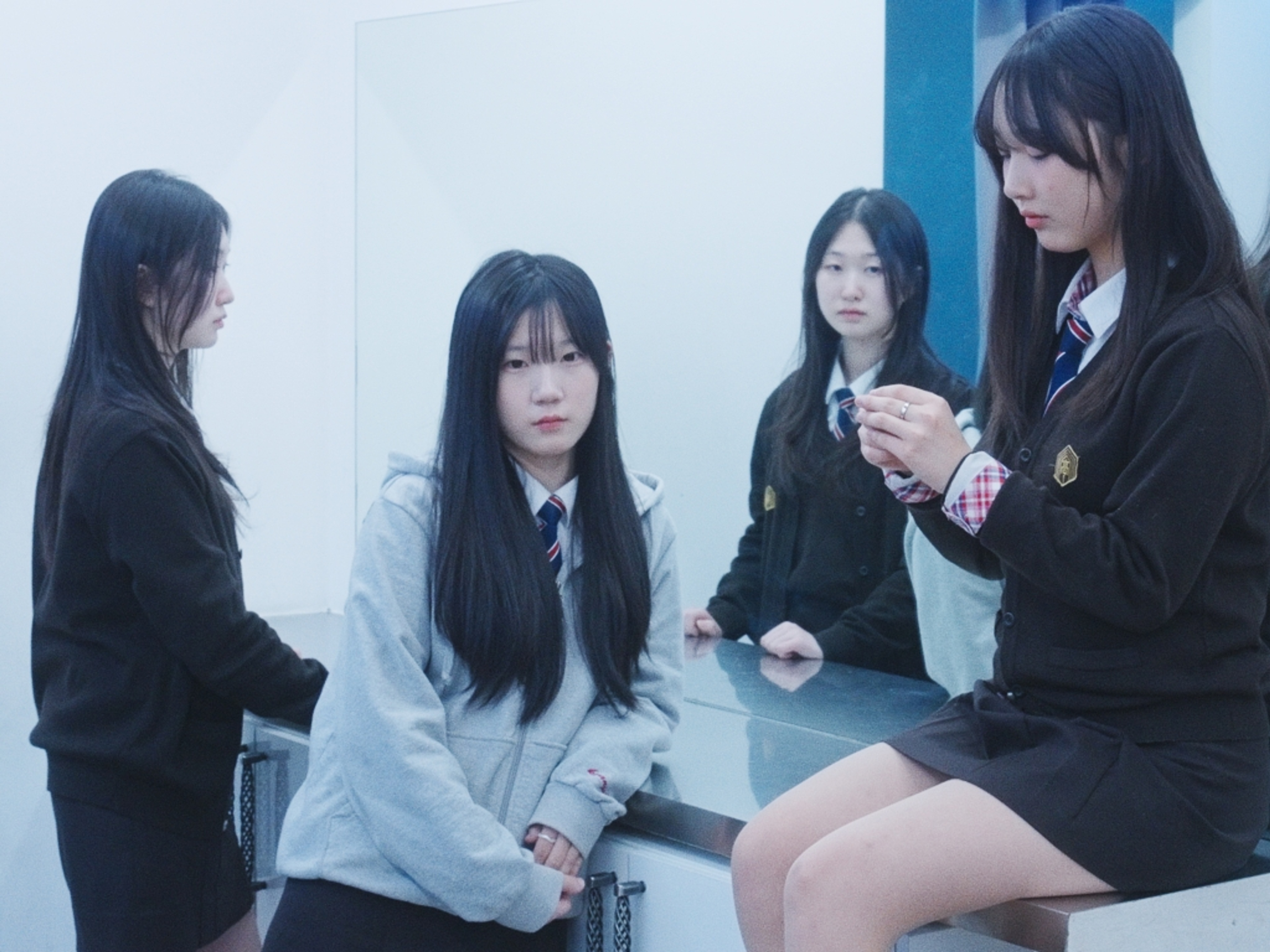
And then, more importantly, does such a period exist for South Korean teenagers? A quick search on Naver, the South Korea equivalent of Google, offers a neat translation: 소녀 시절. I felt the definitions were somehow misaligned. I’ve spent two of my three decades in Korea. We didn’t spend our afternoons chasing butterflies or running from bees, nor did we pass long summers selling lemonade in the garden. What existed instead of these suburban idylls were tightly-scheduled routines, moving relentlessly from one cram school to another. Class to tutoring, and back again. Ours was less a girlhood so much as a period collectively endured.
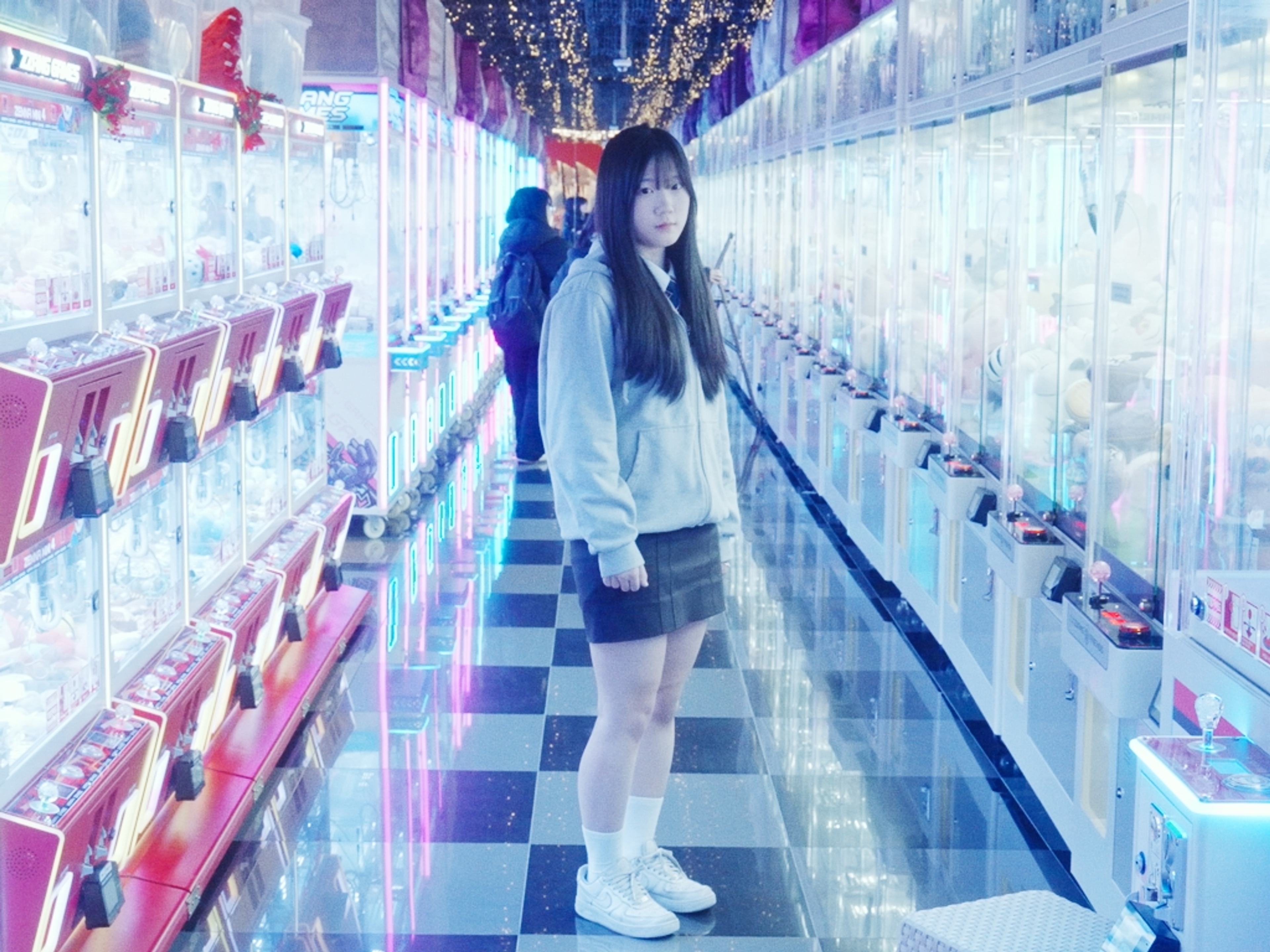
After moving abroad to London, this contrast became increasingly apparent. Many of my international friends seemed to have spent their formative years cultivating hobbies, exploring their interests, and engaging in sustained self-inquiry. From an early age, they designed what might be called their “lifestyle”—a set of preferences and sensibilities that would eventually crystallize into their identity. While they were allowed the time to pursue what genuinely intrigued them, my peers and I followed identical routines. We went to class on time, attended after-school academies, stayed behind for English vocabulary retests, stopped by the convenience store for a quick bite, and ended our days in a dokseosil (a study room that normally stays open until 2 a.m.). It’s easy, looking back, to feel a bit of jealousy. But in retrospect, we were never alone in this cycle. I always had friends beside me—comrades with whom I shared nearly every waking hour.
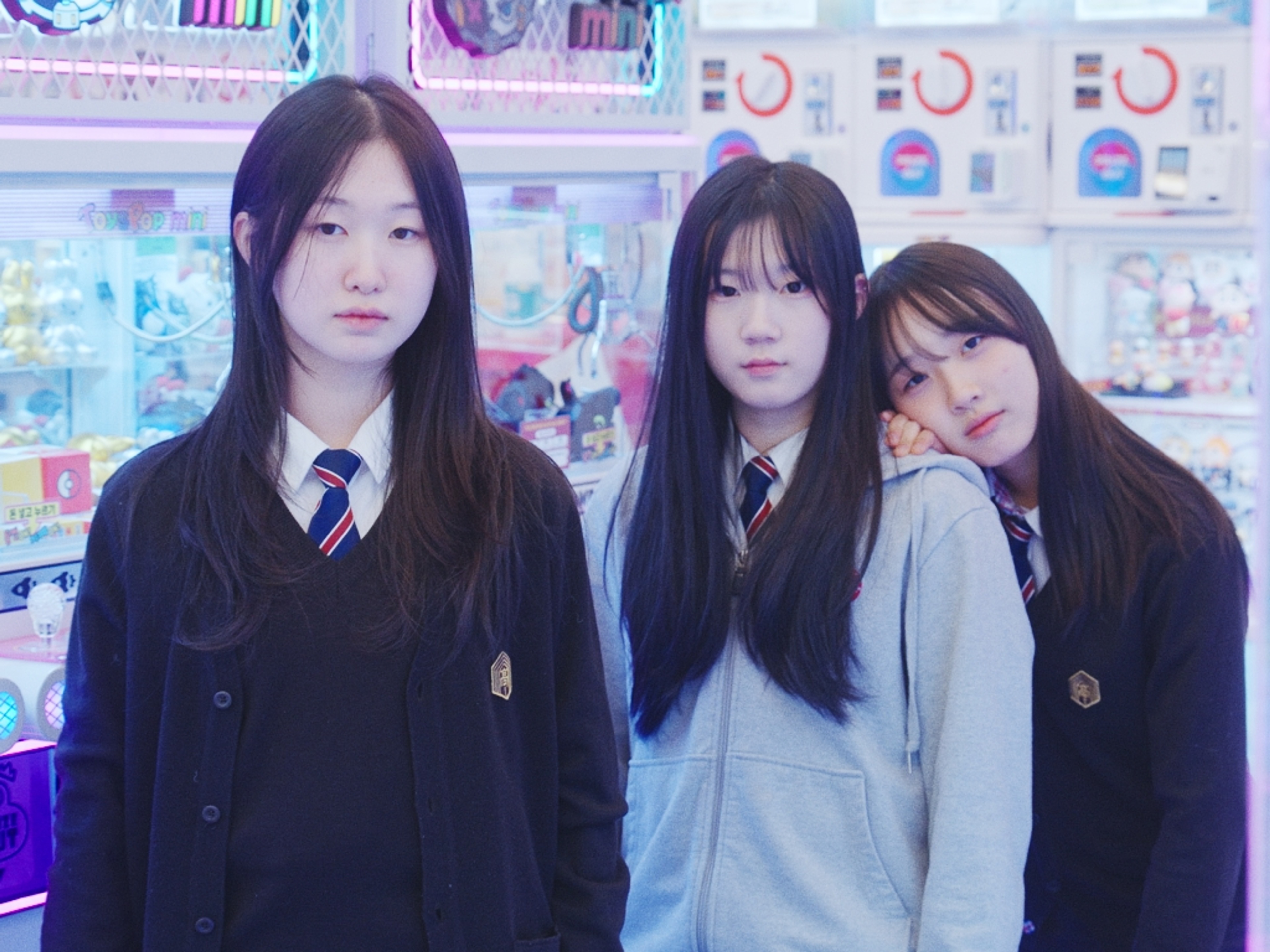
After spending all this time together—far more than we reasonably should have—we began to resemble one another in subtle ways. Our eating habits converged, our favorite K-pop groups overlapped. Even the stationery in our pencil cases began to look the same.
When I’m asked what I remember most vividly from my high school years, it is not a lesson, nor an exam, but a fleeting moment at 4 a.m. in a dokseosil: SHINee’s View blared through the speakers, online lectures were paused, and five minutes of dancing were stolen with friends, the night before an exam.
At the time, I was especially fortunate. A classmate’s parents ran the dokseosil we set up camp in, and during exam periods, they allowed us to stay long after everyone else had gone home. We studied through the night, ate bowls of bean sprout soup downstairs in the morning, sat for our exams, and returned once more to our makeshift refuge. If an exam period lasted four days, we’d have spent close to 80 hours together. If you wonder why we clung to one another in this way, the answer is straightforward: Suneung, South Korea’s notoriously high-stakes university entrance exam, which every Korean student must face.
Now in my 30s, fragments of Suneung day still surface from time to time: the drive to the exam hall in my mother’s car, MC Sniper’s “I Can Do It” in my earphones. The texture of the test identification slip. And that evening, dinner at Kkanbu Chicken. Kkanbu—a term popularized by the show Squid Game—means ‘the one you share everything with.’ My friends and I cried together that night, without saying much. We held each other through that exam. When it ended, what remained were the bonds between us.
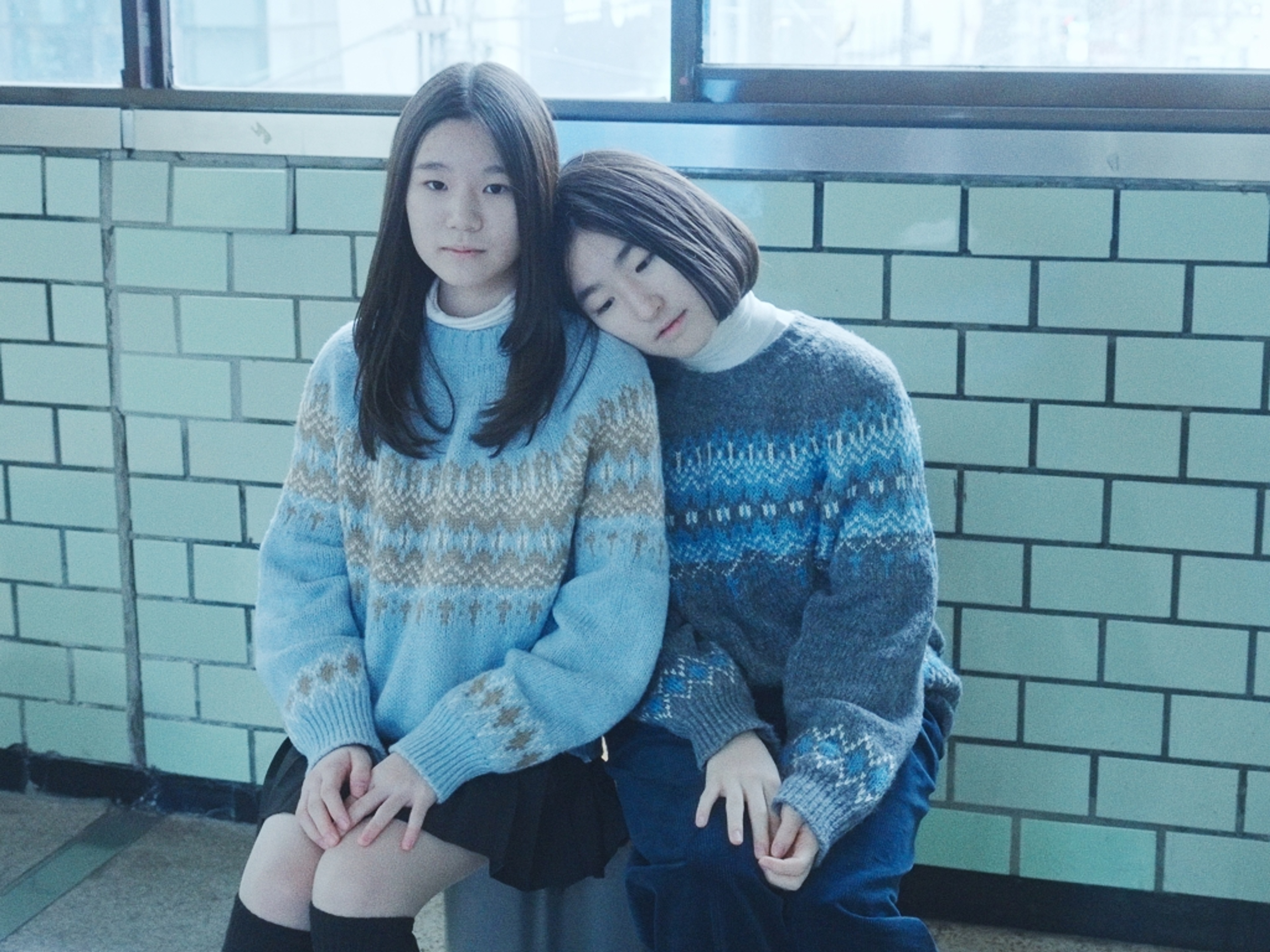
We faced the most consequential day of our lives, before we had even figured out who we truly were. Within that system, the only identity we managed to locate was one that existed in relation to others—a self that emerged through togetherness. Perhaps this is why Koreans so instinctively use the pronoun uri: we, our. Uri mother, uri father, uri grandmother. Even after writing thousands of emails in English, I still find myself choosing we over I, portraying myself, always, as a collective.
To uri, ‘I’ and ‘we’ do not form a clear binary. The dichotomy never quite holds. Our identities are porous, mutually exchanged, and deeply entangled. As a Korean, in many ways, I is uri. And so, to answer that first question: If I were to define girlhood in Korean, I’d call it something like uri-hood.
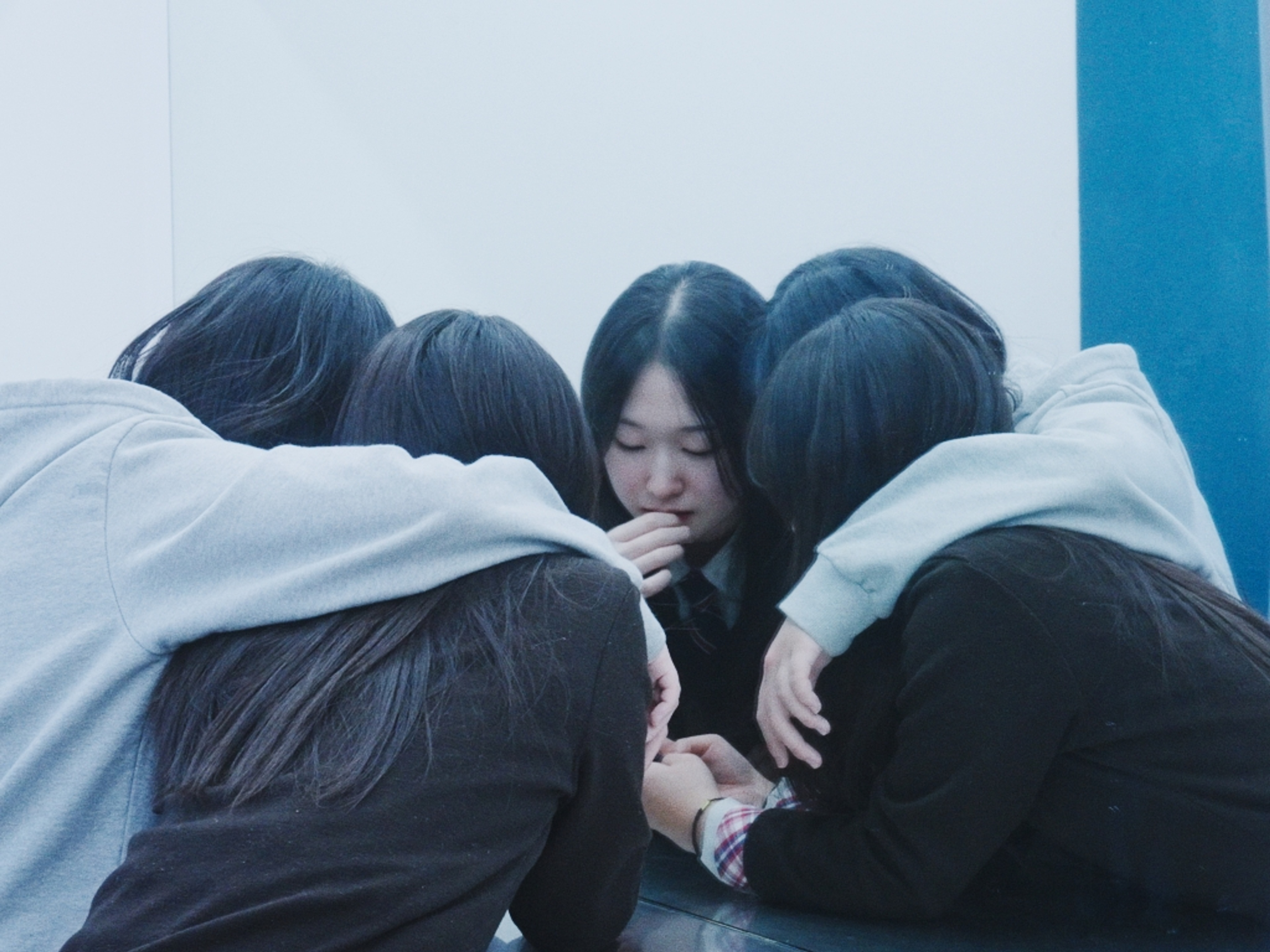
GIRLHOOD: KOREA: 우리시절 : 언제나 함께 그리고 영원히 얽매인 우리에 대하여.
Words: 396
Estimated reading time: 2M
글 박성원
처음 Girlhood Korea 에디토리얼을 기획했을때, ‘걸후드’라는 단어를 한국어로 어떻게 번역할 수 있을지 생각했다. 그리고 ‘걸후드’라 불릴 수 있는, 마음껏 천진난만할 수 있었던 시절이 과연 대한민국의 10대들에게도 존재했는지에 대한 의문이 들었다.
네이버 영한사전에서 ‘girlhood’라는 단어를 찾아보니 ‘소녀 시절’이라고 번역돼 있었다. 그러나 이 번역을 그대로 받아들이기엔 어딘가 어긋난 기분이 들었다. 왜냐하면 우리에게는 나비를 쫓거나 벌을 피해 달리던 오후도, 마당에서 레몬에이드를 만들어 팔던 해맑기만 한 계절도 없었기 때문이다.
대신 우리에게 존재했던 것은 다 함께 똘똘 뭉쳐 버텨내던 학원에서의 시간들이었다.
런던에서 대학 생활을 하며 가장 놀라웠던 점은 외국 친구들의 ‘소녀 시절’이 우리와 꽤 다르다는 사실이었다. 그들은 다양한 취미 활동과 자아 탐구를 하며 그 시절을 보냈다. 그래서일까. 그들에게는 어릴 때부터 꾸준히 쌓아온 견고한 취향과 라이프스타일에 대한 확신이 있었다. 학교와 학원, 그리고 집을 오가며 공부로 꽉 찬 시간을 보낸 우리와 달리, 그들은 자신들이 원하는 것을 충분히 탐구하고 사유할 시간이 있었던 것처럼 보였다.
한국의 소녀들은 매일 학교와 학원에 가야 했고, 나머지 공부를 하거나 부족한 과목은 재시험을 봐야 했다. 그리고 잠시 편의점에 들렀다가 독서실로 향했다. 그것이 내가 기억하는 나의 소녀 시절이다.
하지만 돌이켜보면 우리는 이 시간을 혼자 보내지는 않았다. 우리에겐 하루 중 잠자는 시간을 제외하고 늘 붙어 다니던 친구들이 있었다.
하루 종일 함께하다 보니, 서로를 크게 닮지 않았어도, 우리는 마치 자매들처럼 닮아갔다. 식습관도, 좋아하는 아이돌 그룹도, 쓰는 학용품까지도 비슷해졌다.
누군가 나에게 여고 시절 가장 기억에 남는 순간을 묻는다면, 시험 전날 새벽 네 시 즈음,샤이니의 ‘View’를 크게 틀어놓고 친구들과 춤을 추며 즐거워했던 그 몇 분을 떠올릴 것이다. 독서실에서 시청하던 인터넷 강의를 멈춘 채로 말이다.
그렇게 우리는 밤새 다 함께 공부했고, 아침이면 몰려가 콩나물 해장국을 먹었다. 시험이 끝나면 다시 우리의 아지트였던 독서실로 향했다. 아마 총 나흘이었던 시험 기간 동안 우리는 대략 80시간을 내내 붙어 있었던 것 같다. 왜 우리가 이런 생활을 했는지 묻는다면, 대한민국 학생이라면 반드시 치러야 하는 악명 높은 시험, 바로 수능 때문이라고 답할 수 있을 것이다.
어느덧 서른이 된 나는 아직도 가끔 수능을 보던 날의 꿈을 꾼다. 그날 엄마 차를 타고 가던 시험장, 차 안에서 들었던 MC Sniper의 ‘할 수 있어’, 그리고 손에서 놓지 못했던 수험표 종이의 질감까지 아직도 또렷하다. 수능이 끝난 저녁, 깐부치킨에 모여 다 함께 울던 우리들의 모습까지. 모든 장면이 여전히 생생하게 살아 움직이는 것 같다.
우리는 우리 소녀 시절의 가장 중요한 임무였던 ‘수능 시험’을 치르기 위해 그 많은 시간을 함께 붙어 있었다. 그리고 시험이 끝난 후에도 내 곁에 남아 있던 것은 친구들뿐이었다.
우리는 아직 우리 자신을 제대로 알기도 전에 인생에서 가장 큰 시험을 치렀고, 그 시스템 안에서 발견한 유일한 정체성은 친구들과 함께 있을 때의 ‘나’였다. 나, 너, 그리고 우리.
한국인들은 어느 나라 사람들보다 ‘we’라는 인칭대명사를 자주 사용한다. 우리 엄마, 우리 아빠, 우리 할머니. 나 역시 영어로 말하거나 이메일을 쓸 때조차 ‘I’보다 ‘we’를 사용하며 나 자신을 하나의 그룹에 투영한다.
우리에게 ‘나’와 ‘우리’는 명확히 구분되는 이분법적 단어가 아니다. 우리의 정체성이 곧 나의 정체성과 상호 교환되듯, 한국인으로서의 ‘우리’는 곧 ‘나’를 의미하기도 한다. 소녀 시절의 나 역시 마찬가지였다. 나는 나 자신이었지만, 동시에 친구들과 함께했던 ‘우리’이기도 했다.
그런 이유로 누군가 ‘Girlhood’를 가장 잘 설명하는 단어가 무엇이냐고 묻는다면, 나는 ‘우리 시절’이라고 답할 것이다.
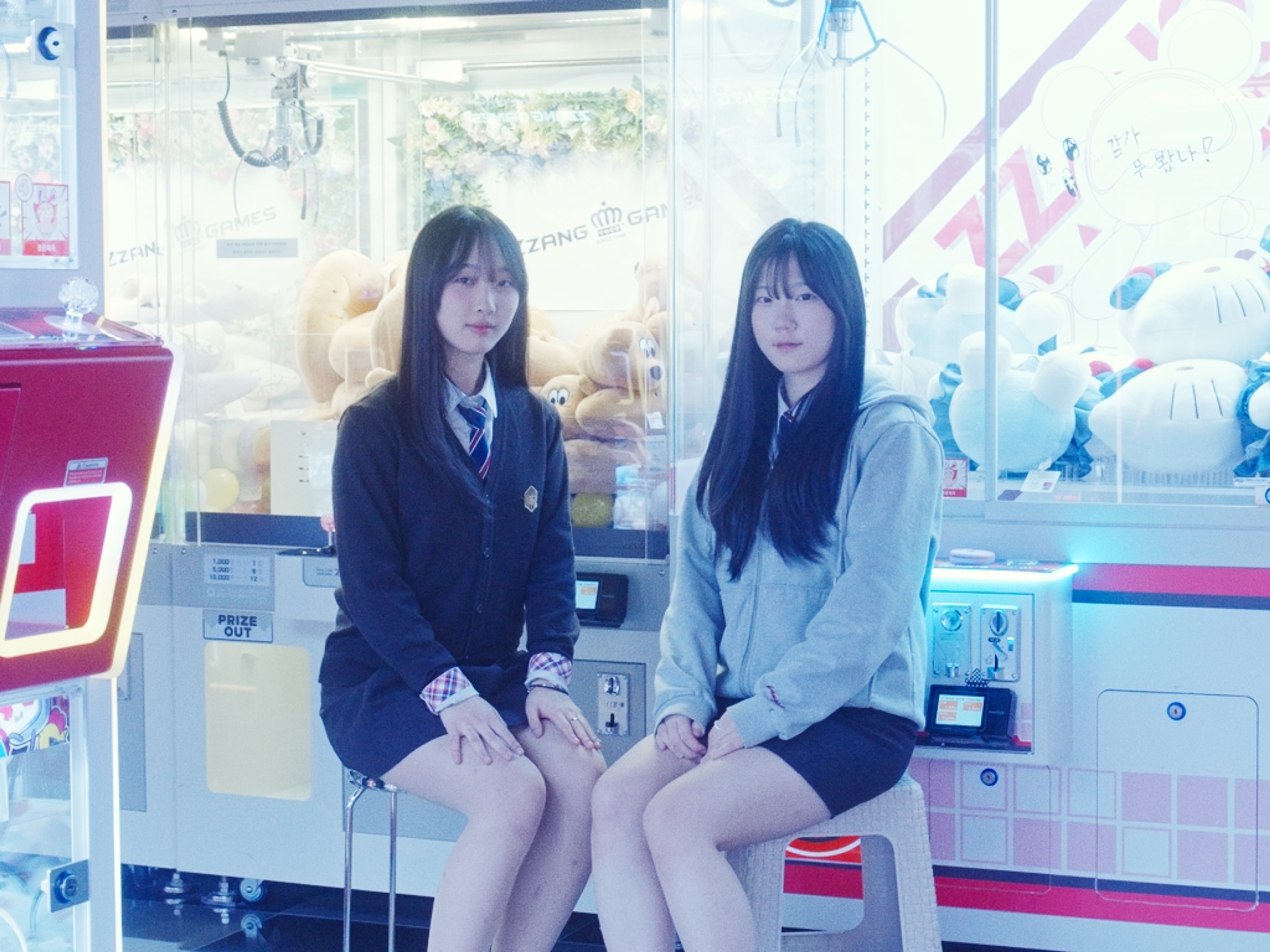
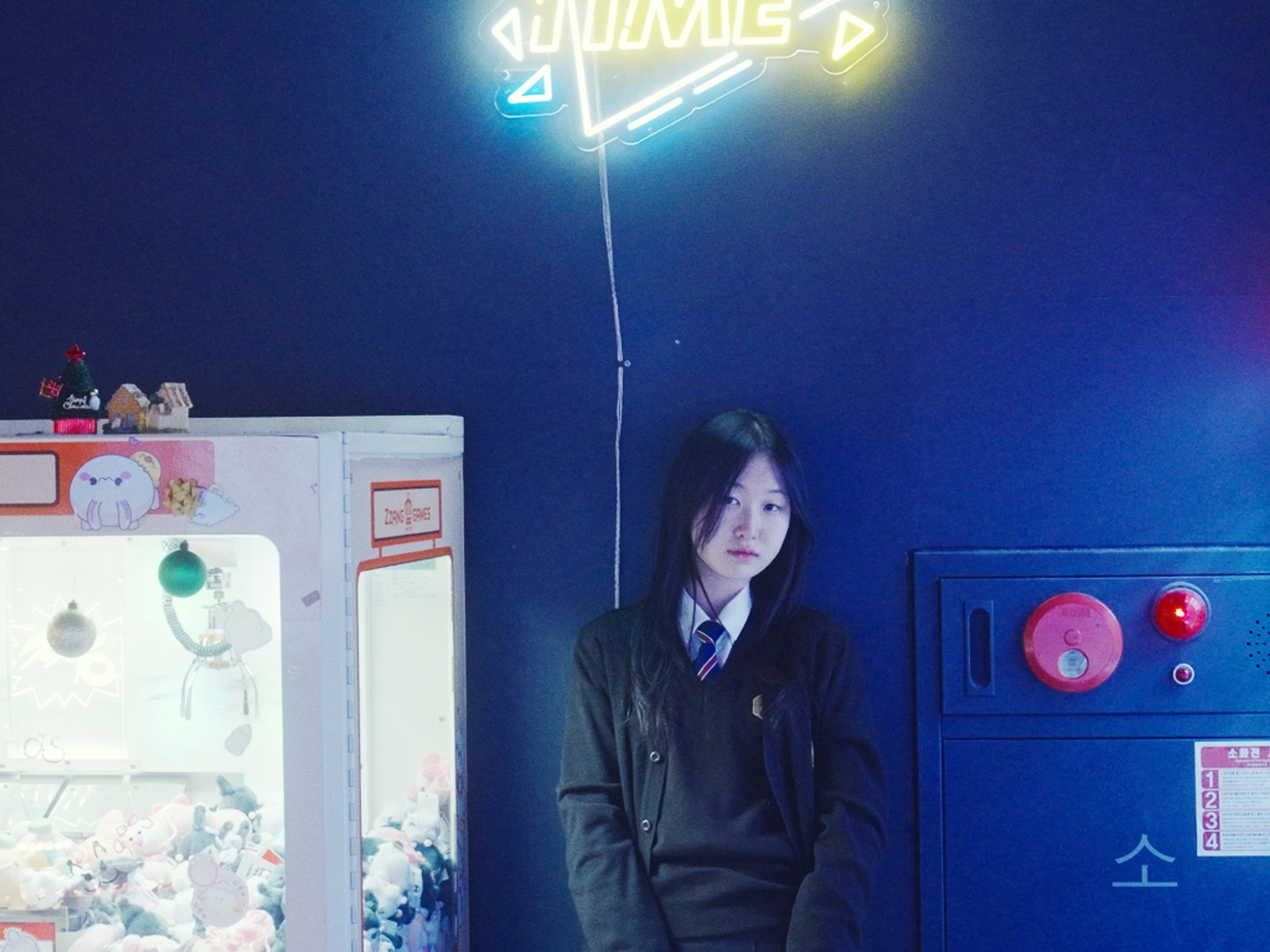
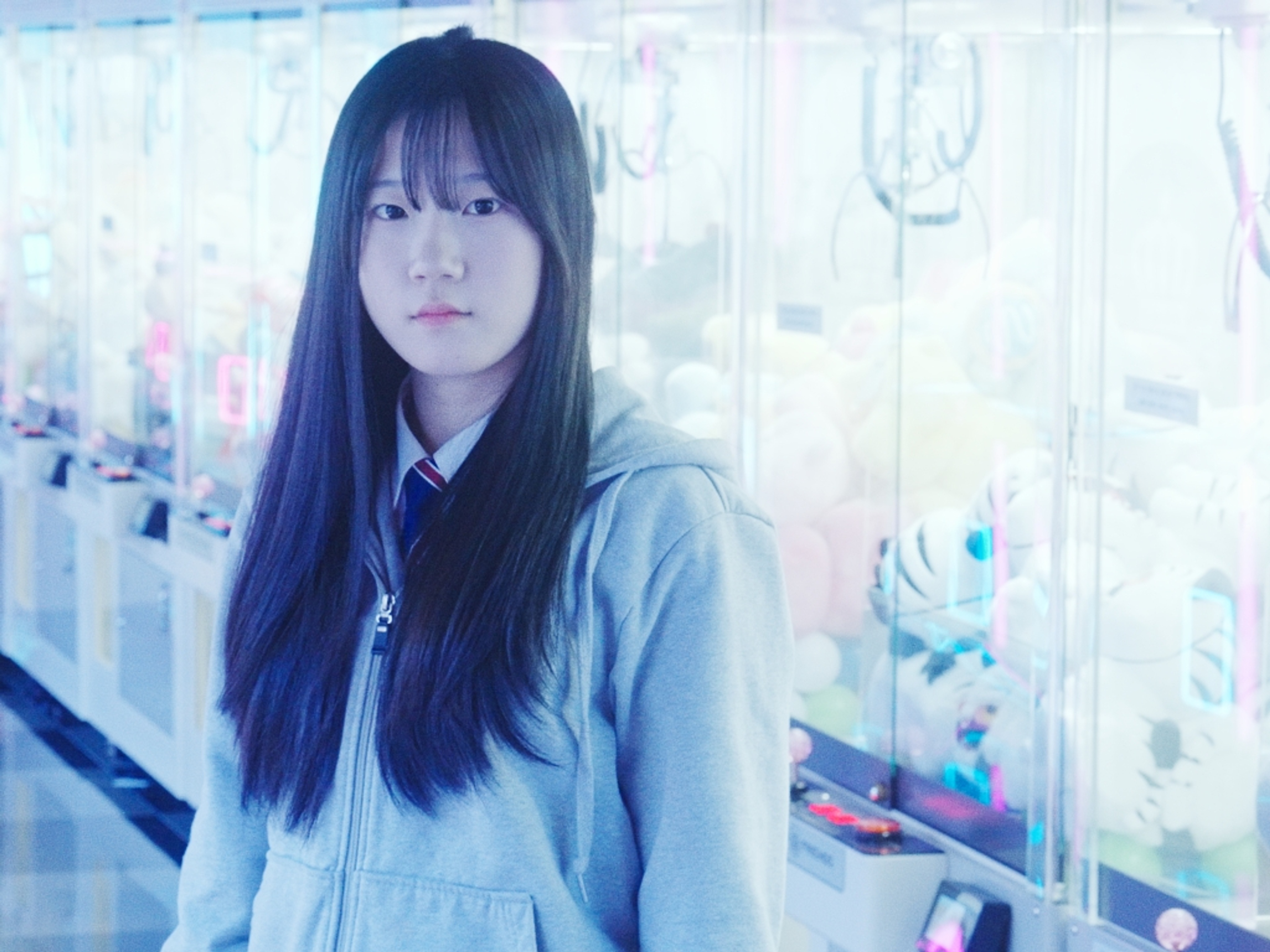
VIDEOGRAPHER
KIM NAJIN
TEXT
SUNGWON SERENA PARK
TALENTS
HAN SEOHYUN, KIM NAYUN, LEE SEIN, LEE JEIN, LEE JUHA, PARK SOYE
Beyond Noise 2026
VIDEOGRAPHER
KIM NAJIN
TEXT
SUNGWON SERENA PARK
TALENTS
HAN SEOHYUN, KIM NAYUN, LEE SEIN, LEE JEIN, LEE JUHA, PARK SOYE
Beyond Noise 2026