Noise
ISSUE NO. 05: NAOMI TIMPERLEY
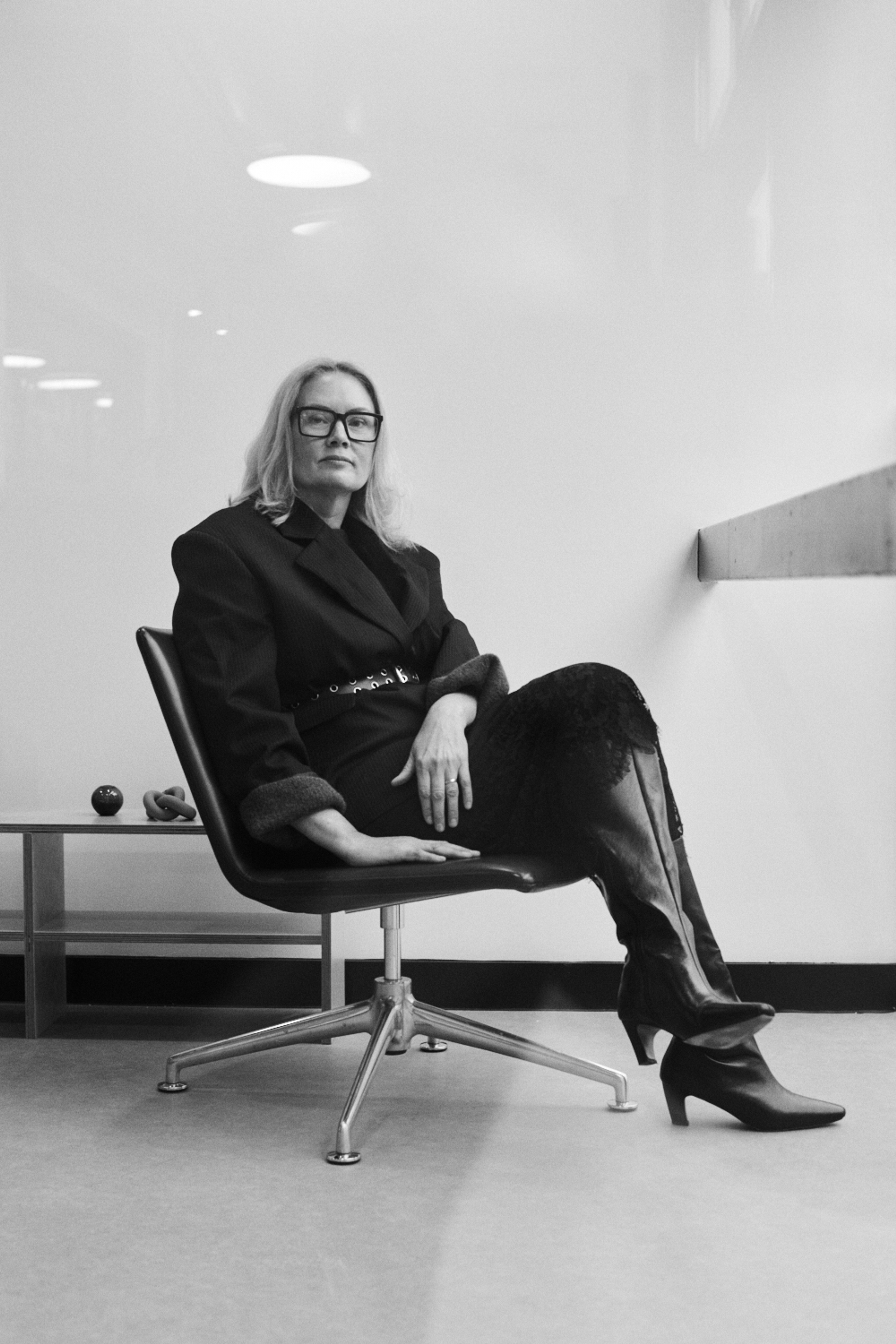
Naomi Timperley by Edd Horder
NAOMI TIMPERLEY
Words: 979
Estimated reading time: 5M
By her own description, the growth and innovation consultant Naomi Timperley’s career happened by “accident.” It might be more accurate, though, to say that her impressive, wide-ranging trajectory happened due to her curiosity, adventurous nature, and readiness to say yes. Starting out in the travel sector, Naomi first began working in technology recruitment in the late ‘90s. Returning to work after the birth of her two daughters, Naomi found her feet in the entrepreneurship realm by bringing a US events company to the UK, and gained public attention via an appearance on the TV programme Dragon’s Den (she turned down their offer of investment). Ever restless, Naomi eventually pivoted to set up a youth enterprise employability company, before her interest in ideation and innovation led her to begin working with technology, digital and creative businesses. To date, she has mentored hundreds of businesses, and today she works with initiatives including the Turing Innovation Catalyst Manchester – to help businesses, institutions and Manchester’s local economy make the most out of AI opportunities – as well as Oxford Innovation, as an innovation director. In November 2025, she was named Most Influential Women in UK Tech by Computer Weekly.
BN: You were offered investment on Dragon’s Den and turned it down. Did it feel risky to do that?
NAOMI TIMPERLEY: We actually hadn’t applied to be on the show, we got asked by the BBC to pitch. At the outset we agreed that we would only give up 20 percent equity, because that would mean we still had some control of the business. What was really interesting, though, was that appearing on the show sort of led me to where I am now. So if I hadn’t gone on that journey and had that spotlight for a bit, I wouldn’t be doing what I am now.
BN: It feels that chance, and taking opportunities as they come, has been a really big part of your journey.
NT: Definitely. So much of it is about saying yes to things. Also, I was announced as Computer Weekly’s Most Influential Women in UK Tech last November, and that’s a collective achievement based on the people I’ve worked with, the founders I’ve mentored, and the ecosystems I’ve been part of. Innovation isn’t just about technology, I’m not a techie, it’s about people, places and the systems that support ideas turning into impact. I’m very impact driven, but in terms of thinking about inclusive, human-orientated innovation, not just doing something because it’s a shiny thing, doing it to serve a purpose and have a higher impact.
BN: You have worked in tech as a woman for decades, how has it changed in that time?
NT: It still needs to change. One thing I would say, and this is all based on my personality and the way I am, but you can’t wait to be invited to have a seat at the table. Just get a seat. Seek out communities that value collaboration over competition too, that’s why the global community that I’m part of is really important to me.
BN: You’ve spent years mentoring many businesses. What would your biggest piece of advice be to someone wanting to start a business?
NT: Think about the problem before the product. Mentoring is all about testing and refining people’s ideas, and saying, “Okay, you’ve got this problem that you think you can solve, but how much have you actually stress tested that.” As well as that, think about how you can build products and services that are inclusive. I do a lot of work around supporting whole ecosystems, not just supporting diverse founders, but making sure that things are being built for diverse communities.
BN: And what have you learnt through mentoring?
NT: I have learnt something from every single person that I’ve mentored, it’s a two-way street. Mentoring is about supporting somebody to grow, and helping them see how they can get the best out of themselves. I’m still speaking to people who I mentored when I first started doing it, and I’m especially interested in helping support people who don’t typically get those kinds of opportunities.
I’m a big believer in peer-to-peer mentoring as well. I created a program in 2021 called Freelancer 100. It was delivered completely online, and it brought together women who were freelancers in the tech, digital and creative sectors. They not only learned from the program, but they also learned from each other, and that was a complete joy to watch. I still know some of those women now, and some of them ended up working together, which was really incredible.
BN: How do you think motherhood has shaped how you work, or your place in your industry?
NT: I would say having kids gave me a superpower. I’ll also throw in, I was diagnosed with ADHD at the age of 54, which makes absolute sense, and is probably why I’m able to juggle all these different things that I do. But I think for me, my young daughters gave me the confidence to have a seat at the table.
CREATIVE DIRECTOR + EIC
SARAH RICHARDSON
Beyond Noise 2026
CREATIVE DIRECTOR + EIC
SARAH RICHARDSON
Beyond Noise 2026