Noise
ISSUE NO. 04: ISABEL MARTÍNEZ ABASCAL
Isabel Martínez Abascal
ISABEL MARTÍNEZ ABASCAL
Words: 1215
Estimated reading time: 7M
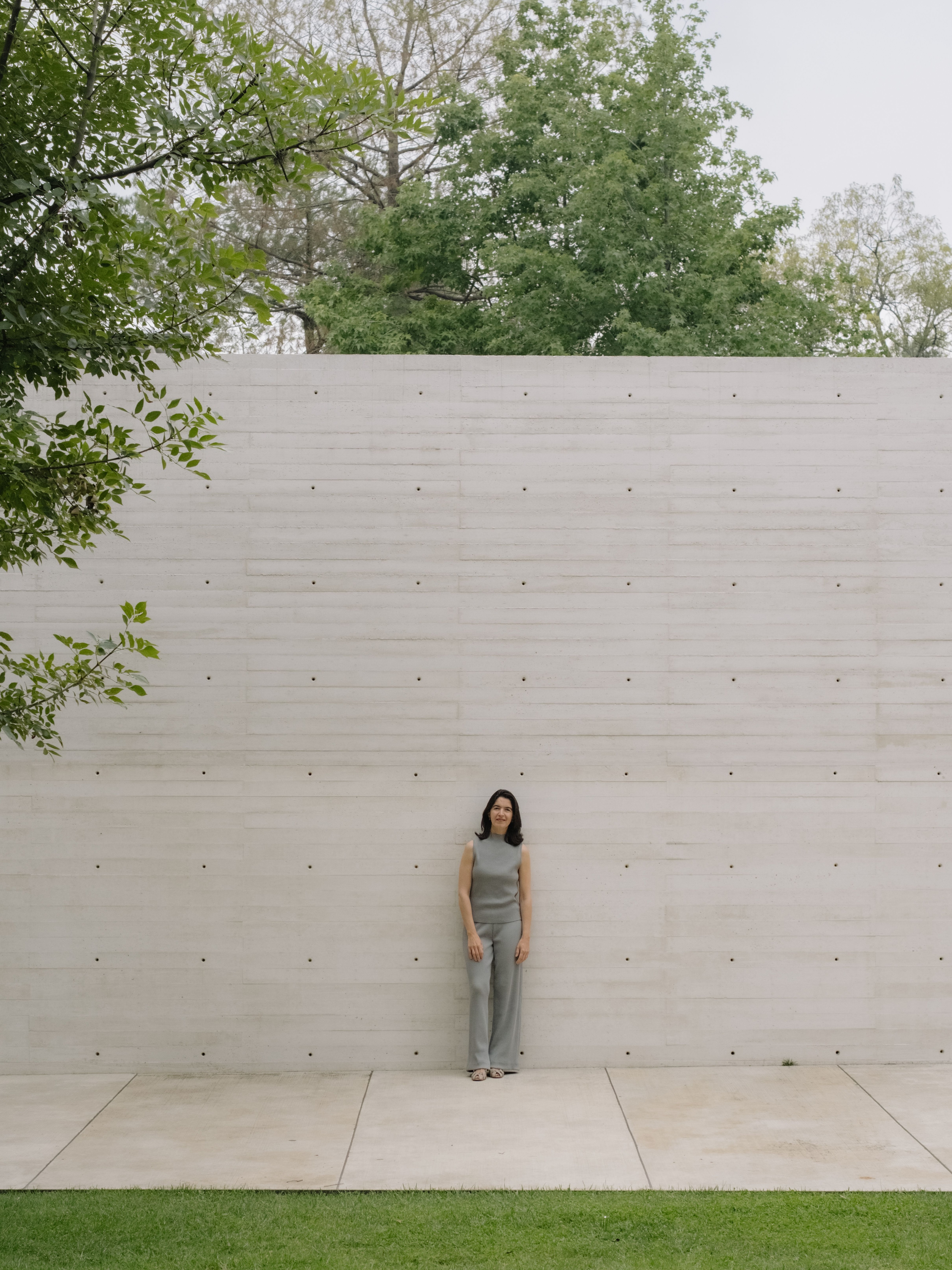
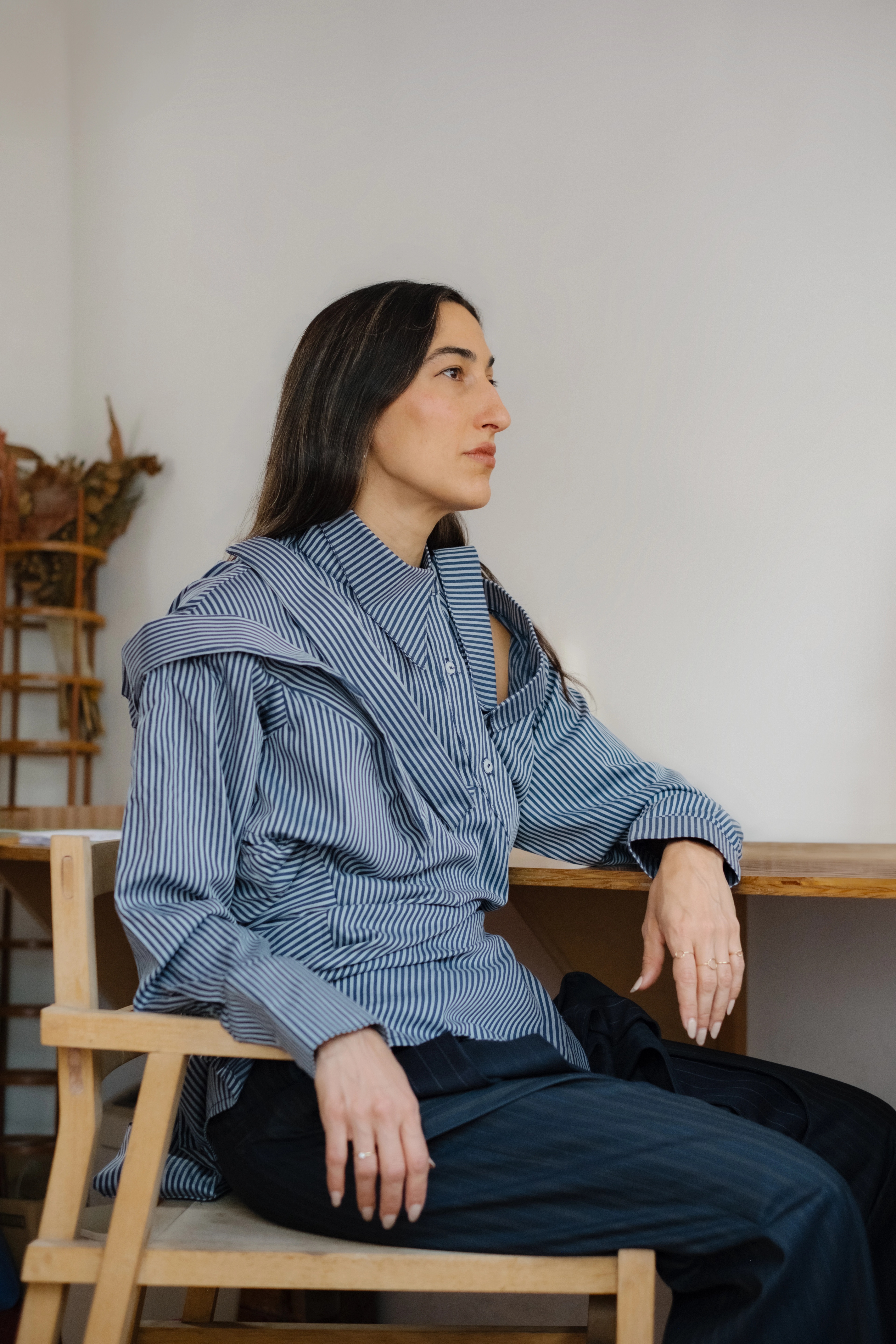
Most people think of architecture as a profession limited to designing and constructing buildings. For Isabel Abascal, however, it’s much broader. She sees it as a way of thinking—a framework for understanding history, language, politics, and the quiet forces that inform everyday life across cultures. Madrid-born, Isabel has lived and worked in Japan, Germany, Brazil, and India. She is currently based in Mexico City, where she has co-directed LANZA Atelier with Alessandro Arienzo since 2015. Together, they have designed projects ranging from cultural institutions to private homes, museum exhibitions to furniture—but their work is equally rooted in research and theory. As a writer, Isabel favors literary prose over the technical and often impenetrable style that characterizes criticism, crafting surprisingly poetic essays without sacrificing intellectual rigor. In Mother Architecture, her first book, Isabel draws unexpected connections between her field and subjects like motherhood, linguistics, and state power, revealing how, in the end, inhabiting space shapes every aspect of human experience.
What drew you to studying architecture?
Many people think of architecture as a technical discipline, related most strongly to math and physics. But really, it’s a fully humanistic profession that involves studying history, philosophy, poetry… When I was 17, I thought I could study art because I liked to draw, or engineering because I was interested in physics, or theater because I liked literature and mythology. I found that architecture was the meeting point of all my interests.
What drew you to a peripatetic lifestyle, and how did it shape your professional relationship to architecture?
Learning about architecture for me was always strongly linked to getting to know other places and cultures. I was interested in Japanese architecture because of how different it was from the European tradition, so while I was still in school, I took an internship at SANAA in Tokyo. Later, I lived in Berlin as part of a foreign exchange program. I was drawn to the unfinished quality about it, with the fall of the wall and its specific history. [Berlin] was still in the process of becoming itself, which was exciting. I thought I would return after I finished school, but as it happened, a visit to a friend who was living in Brazil changed my course. The sensation I’d had in Berlin—of being somewhere that wasn’t fully consolidated—was magnified. Everything felt larger there, even the empty spaces. I took a job as an assistant professor at a university in São Paulo, where I spent six years teaching but also learning while traveling with my students to other countries in Latin America. Then I met Alessandro [Arienzo], and we opened Lanza Atelier in 2015. Of course, leading an architecture firm requires the stability of living in one place, which for us was Mexico City, where Alessandro is from. I think what I took from those years was a profound sense of respect for the past. I’m not necessarily interested in technological innovation; I don’t want to create something that’s never been done before. In a way, the modernist movement subverted the idea of architecture that’s unique to a place—buildings across the world started to look more similar to each other. In Mexico, there’s a strong relationship to locally sourced materials and constructive traditions, but also a history of modernization and progressive design. What I’d like to demonstrate is that looking towards the future requires understanding the past.
Within your studio, how do you and your partner approach division of labor? Have your roles changed in the 10 years you’ve been working together?
When we started working together, we tried to have a pretty 50-50 approach to each task, but that was actually quite unsustainable. As the years have gone by, each of us has settled into our strengths. Alessandro thinks in a more graphic way than I do. We’re both involved in the conceptual part of designing, then he takes the lead in executive aspects. I find it easier to think in words, which is why I’m enamored by the conceptual and investigative aspects of architecture. In a way, this makes us a great team, but it’s also a challenge. We have moments of great empathy with one another, but our process also requires constant negotiation.
Five years ago, you had your first child. How did motherhood change your approach to your profession?
It’s interesting because, in the end, architecture is a service, and each project we’ve developed—private and public—has come from a client with specific needs and desires. When my son was born, for the first time in my career, I started to work on a project that no one had commissioned from me: my book.
Mother Architecture is a collection of four essays that explores the relationship between motherhood and architecture, where both are acts of creation. The first essay examines pregnancy and how patriarchal systems have influenced the way spaces for birth are designed, often benefiting practitioners more than mothers-to-be. Then there’s an essay about bodily autonomy and reproductive rights, which I compare to a Zapotec archaeological site, analyzing the way the state exerts control over Indigenous heritage and women’s bodies for surprisingly similar reasons. The next chapter investigates the vernacular construction mechanisms of an Indigenous community in Chiapas, as well as the concept of language—how a child acquires it and how a community can lose it. The final one is about the design of parks, where children begin to relate to society and public space. Though the case studies I use are specific, the subject matter is universal. Unlike a house or even a public project, a book is something that can fall into the hands of anyone, anywhere. And it’s my hope that, through my work, I can contribute to breaking the echo chambers around architecture criticism by relating the profession to seemingly unrelated subjects, showing an unspecialized audience that architecture is relevant to their lives, as well.
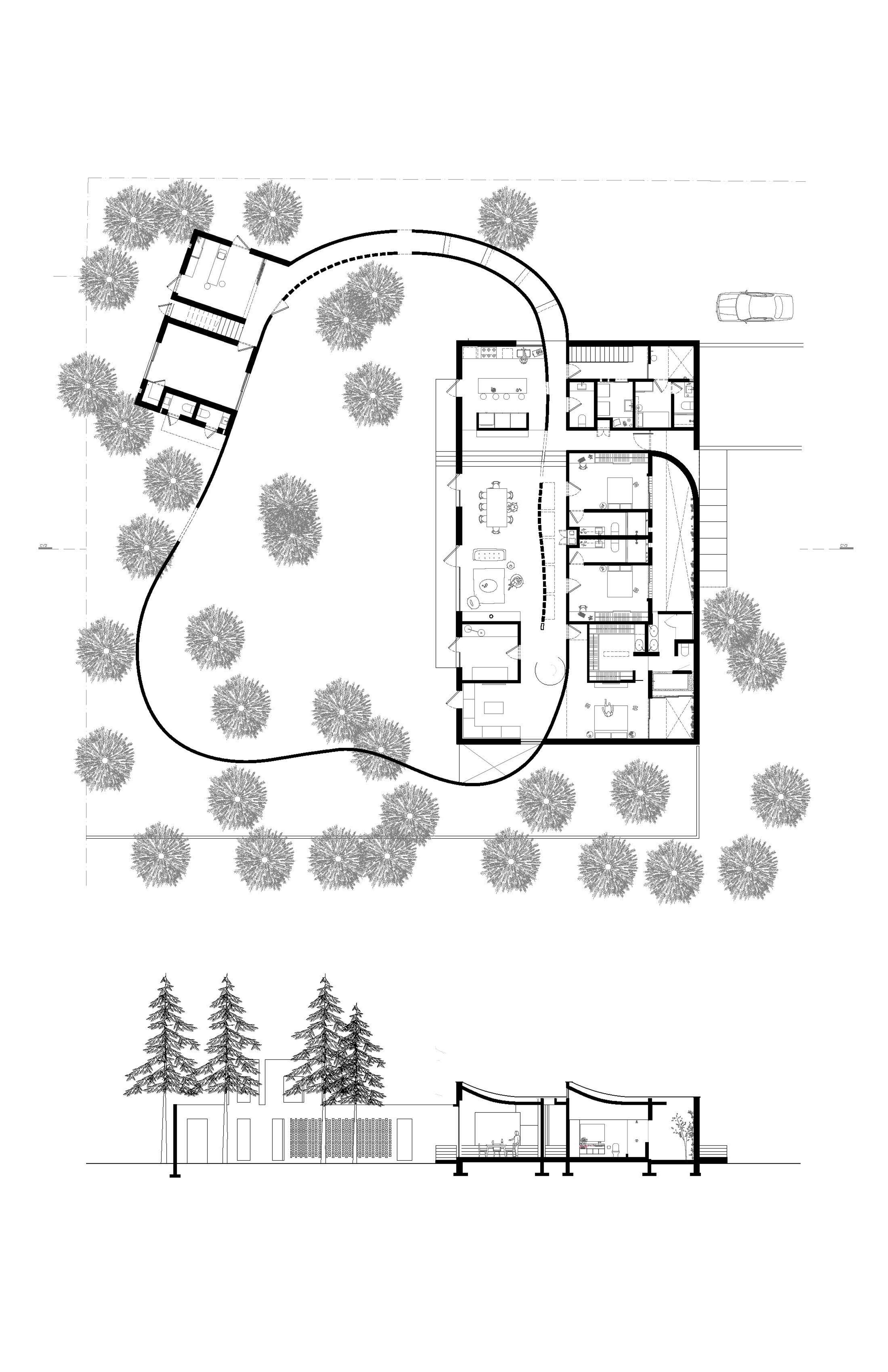
Artwork by LANZA ATELIER
PHOTOGRAPHY
Manuel Zúñiga
INTERVIEWS
ANA KARINA ZATARAIN
Beyond Noise 2026
PHOTOGRAPHY
Manuel Zúñiga
INTERVIEWS
ANA KARINA ZATARAIN
Beyond Noise 2026