Noise
ISSUE NO. 04: FERNANDA CANALES
FERNANDA CANALES
FERNANDA CANALES
Words: 1162
Estimated reading time: 6M
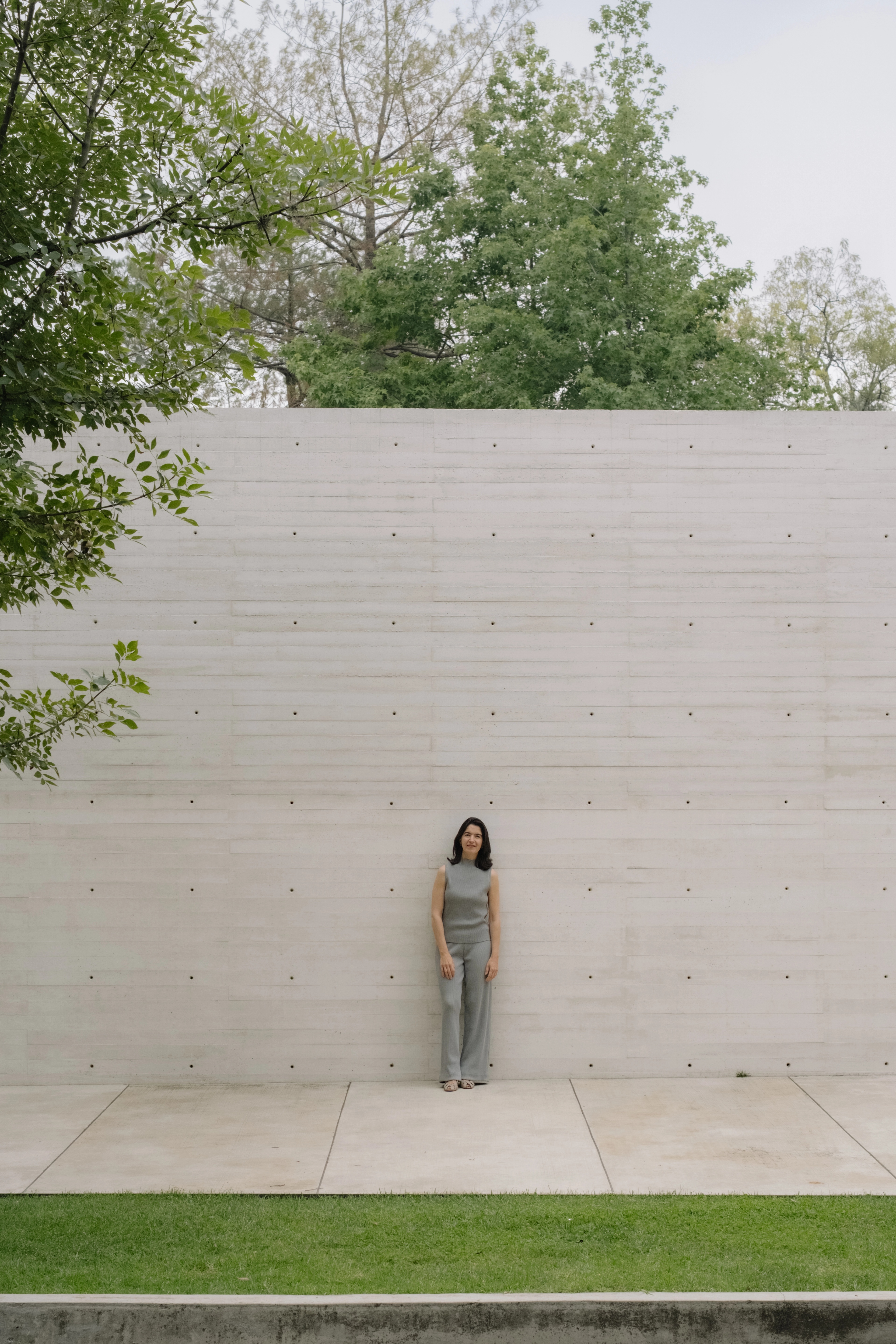
At the start of this decade, when pandemic lockdowns went into effect, the world became intimately acquainted with a notion that architect Fernanda Canales had long studied: the interdependence of the private and public realms. A prolific theorist and designer, Fernanda understands her architectural practice as a means to explore the porous boundaries between the home and the city, the individual and the collective. Her work examines how domestic space is never merely private, always entangled in broader cultural and political contexts. Since 2006, Fernanda has led her eponymous, Mexico City-based firm, designing projects ranging from minuscule to massive. Perhaps the most ambitious undertaking of her career was completed in 2024: a series of public infrastructure built along Mexico’s northern border, serving communities which previously lacked safe spaces to gather in. The project was deeply informed by her scholarship, and in books such as Architecture in Mexico, 1900–2010, Shared Structures, Private Spaces, and My House, Your City, she maps the shifting terrain of domesticity and urban form—tracing how architecture reflects and shapes the lives it shelters. In Fernanda’s vision, architecture is never just a matter of walls and roofs; t is a civic act, a way of building the social fabric that binds us together.
How would you describe the way you think about architectural scale?
I think about scale as it relates to the human body, its day-to-day experiences. In that way, the idea of scale is no longer an abstract thing—a number—but a system of proportions that is ruled by everything it can touch. This approach is what allows me to design, in a single day, a portion of a city and the small drawer of a desk. There’s not much difference between thinking of a chair and how the body adapts to it, and thinking of a building’s entrance and its relationship to the city. The private and public realms are not two separate spheres. Rather, they’re elements that have many interconnected parts. The house is not separate from the city, and a bathroom, the most intimate and private space of all, is linked to a larger system of water management infrastructure. This is not the way architects have traditionally thought about these matters, but today, the collective repercussions that individual desires have on a shared world are more visible than ever.
Speaking of your books, you recently published a revised and expanded version of two of them: Collective Housing in Mexico and My House, Your City. Why did you decide to do that?
I understand books as living works that are not finished once they go to print. There’s always something new to learn or discover, and it’s necessary to rethink the material so that it reflects that. Recent events such as the pandemic and the climate crisis forced me to incorporate new examples and themes that were not relevant just a few years ago.
In what ways does your research feed your design work, and vice versa?
I can’t imagine being able to design without researching, so I don’t think of them as two separate endeavors. Writing and learning about history are part of the same creative process that leads me to designing architectural projects. For me, it’s about constant exploration, whether it be something I saw in a film, read about in a book, or witnessed on the street. It’s true, however, that research and design are two very different processes. The time and solitude that writing demands is different from the high-paced environment of a construction site, or the dynamic of a meeting with clients. Each situation requires an almost opposite state of mind, so I try to focus on each of them as they come.
You have designed many government-funded public projects in Mexico, where budget constraints are common. What can you tell me about that experience?
It’s a very complex experience to design a public project, mainly because its intended users are not the clients you’re dealing with directly. There are many people involved, the process is quite unstable, and the deadlines are almost impossible to meet. This situation demands that an architect familiarize herself with the project’s context and the needs of its future users in a direct way, so that the building is useful beyond what the politicians who commissioned it diagnose or desire. And yet, despite the challenges, public work is crucial. It is the most impactful sphere you can tackle; it’s where an architect can be most useful to society.
The most important aspect of the projects in Agua Prieto and Naco, for example, was reprogramming the specifications that the federal government had set from a remote office. This meant questioning, for example, what the point was of having an “auditorium” or a “market” in a small town with no public infrastructure or safe spaces, knowing that in the future there would be no budget for ongoing maintenance and that no one would be in charge of caring for them once they were open. Adaptability and openness were the main design strategies, which allowed for the spaces to be flexible rather than prescriptive.
How do you engage with architecture’s potential to spark change and bring social justice? And in that sense, what are the limits it faces?
Architecture is the main antidote against situations of vulnerability and social injustice because it has the capacity to make people feel welcomed and safe. This potential, however, is limited by the common insistence on creating enclosed spaces, as buildings conceived as closed interiors tend to turn their backs on much of society and exclude many uses. In contrast, buildings conceived as roofs, frameworks, or open spaces are able to accommodate a variety of uses and users at all times, and they become shelters that the community can make their own.
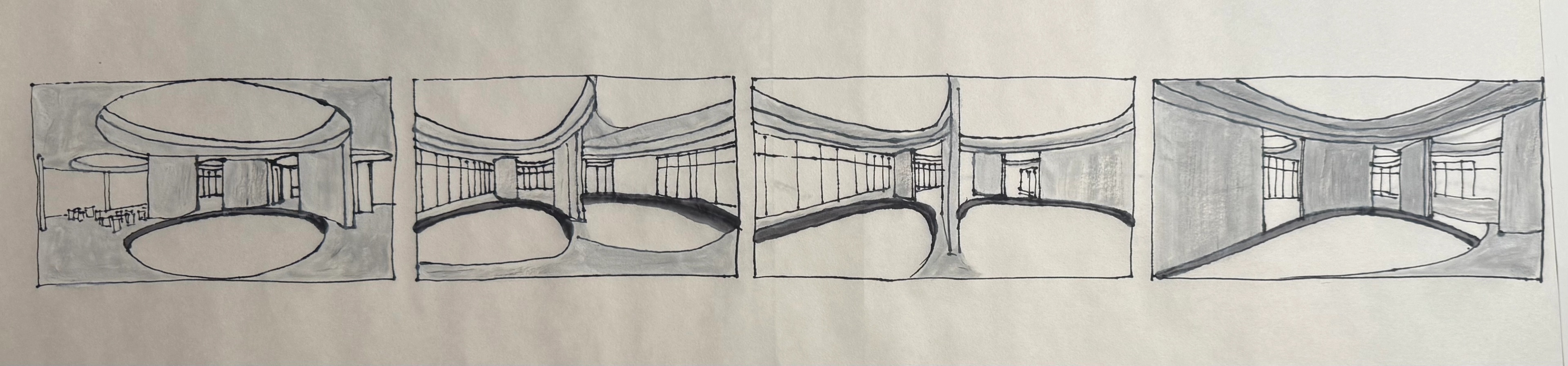
Artwork by FERNANDA CANALES
PHOTOGRAPHY
Manuel Zúñiga
INTERVIEWS
ANA KARINA ZATARAIN
Beyond Noise 2026
PHOTOGRAPHY
Manuel Zúñiga
INTERVIEWS
ANA KARINA ZATARAIN
Beyond Noise 2026