Noise
ISSUE NO. 05: FASHION'S NEW GUARD
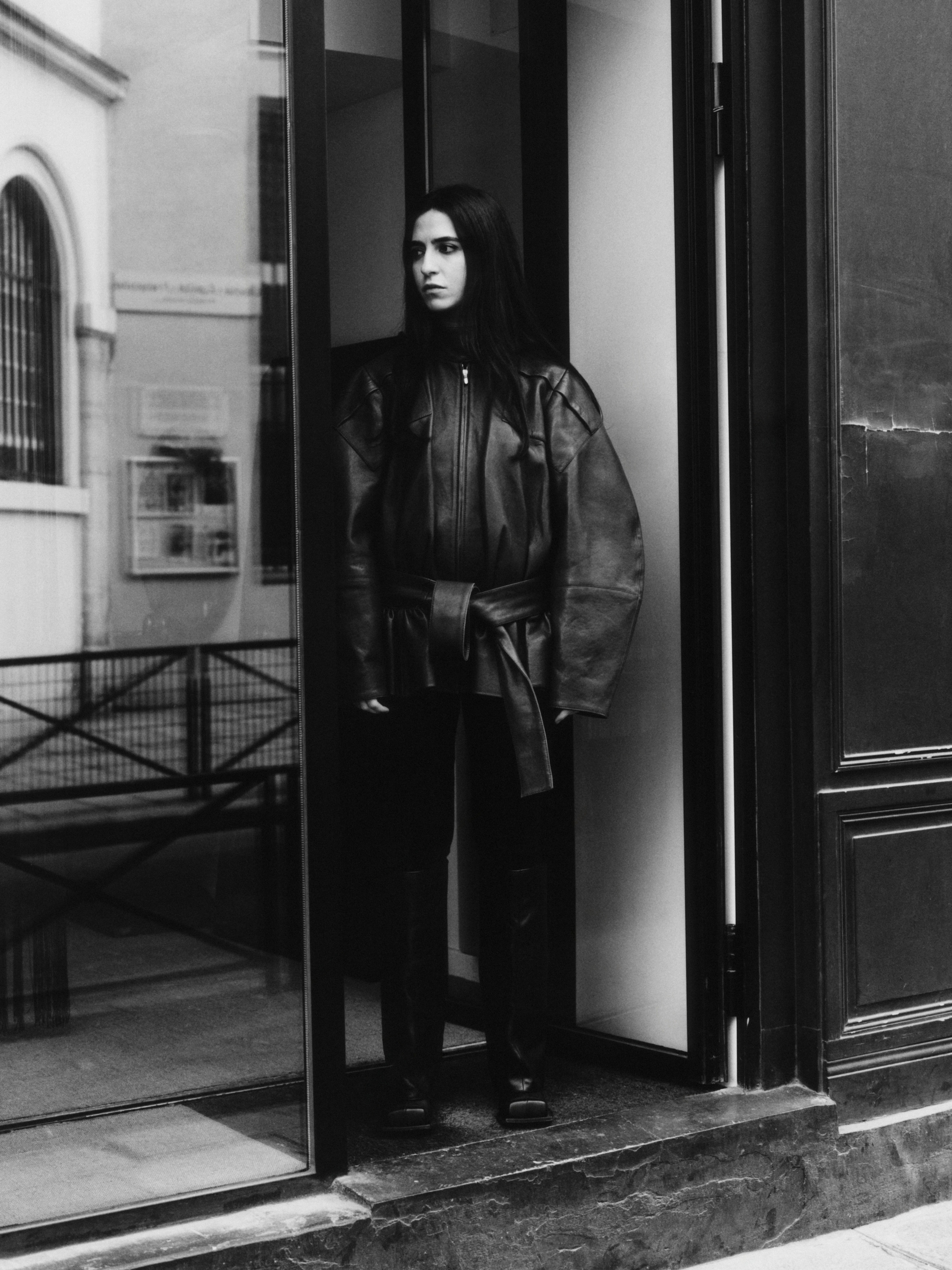
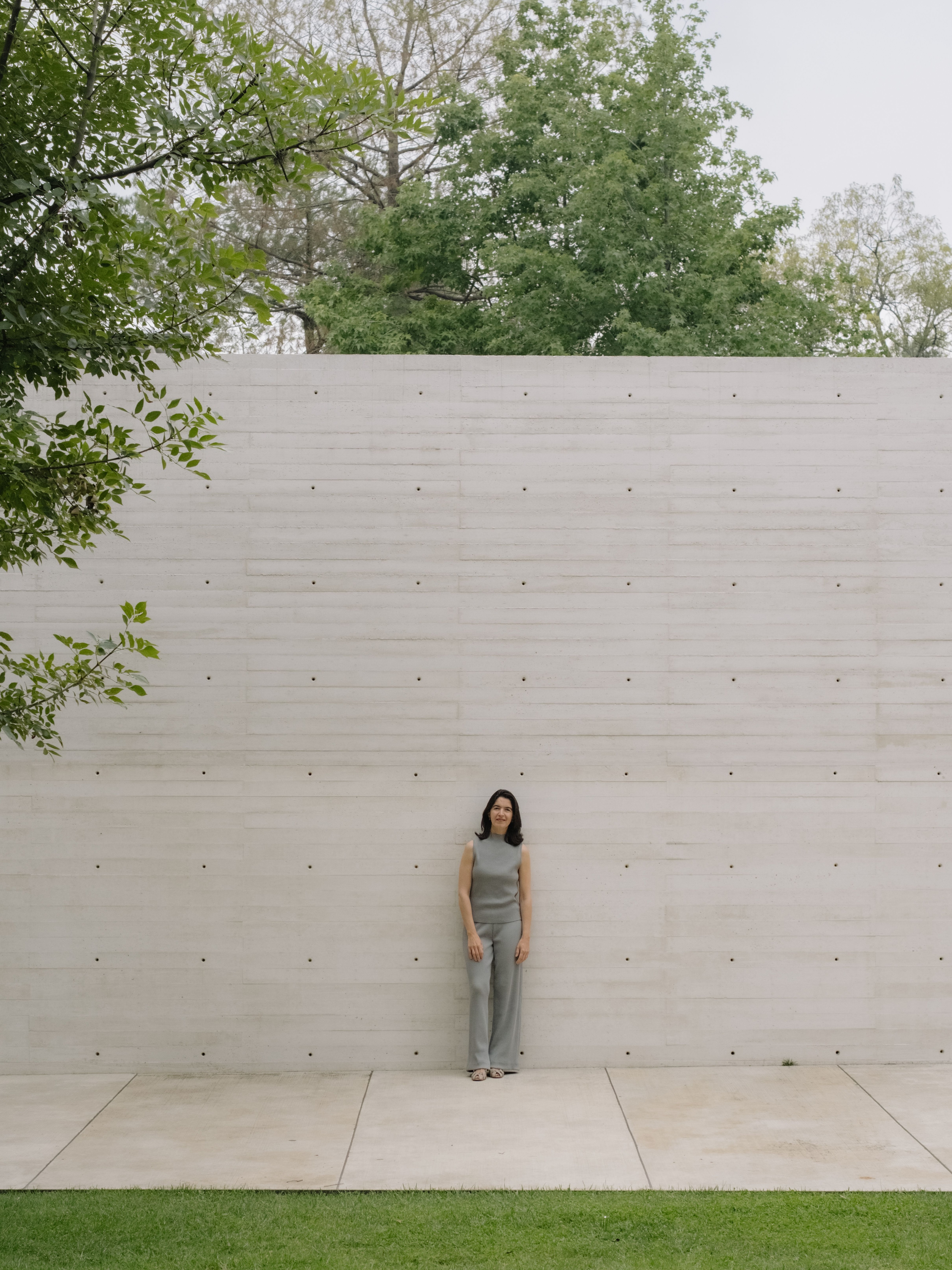
Fidan Novruzova by Andreas Knaub
FIDAN NOVRUZOVA
Words: 885
Estimated reading time: 5M
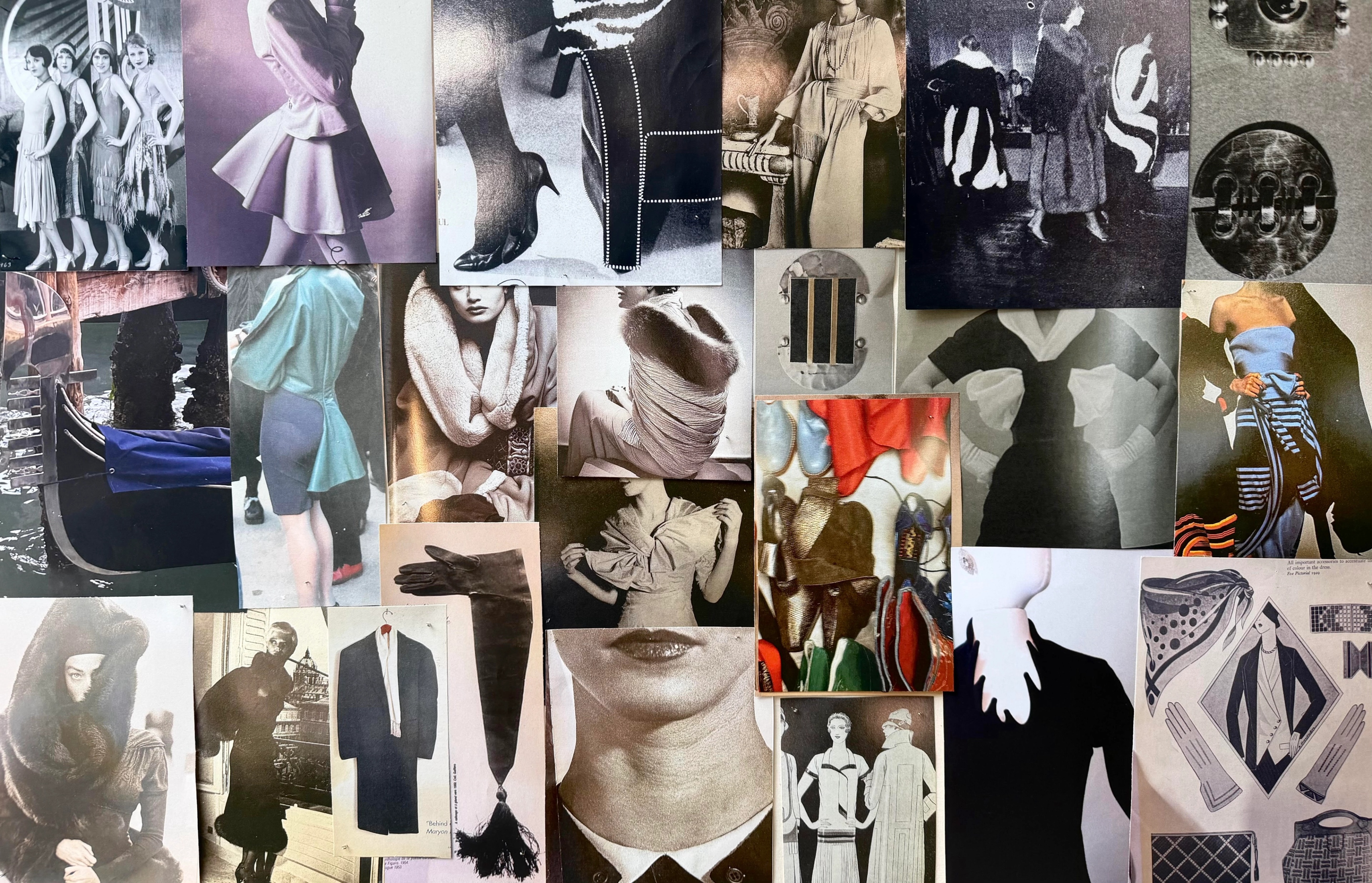
Since launching her namesake label in October 2020, Fidan Novruzova has straddled two worlds: her adopted home of Paris, where she found her design community, and her hometown and production base of Chișinău, Moldova. Though one viral pair of boots, inspired by brutalist architecture and bygone histories, initially thrust the designer into the spotlight, she quickly established herself as a cult favorite amongst fashion’s new guard and the likes of Chloë Sevigny, Bella Hadid, and Solange, earning her a spot as an LVMH Prize semi-finalist in 2024. Finding inspiration in the rich visual universe of the 1920s and ‘80s, Art Deco, Parisian bourgeois style, and the notion of power dressing, Fidan hopes to inspire more joy in the act of getting dressed. Here she looks to a bright future, now with her atelier and square-toed boots firmly planted in Paris.
NICOLE DEMARCO: I'm always drawn to your color palette. How does fabric set the tone for a new collection?
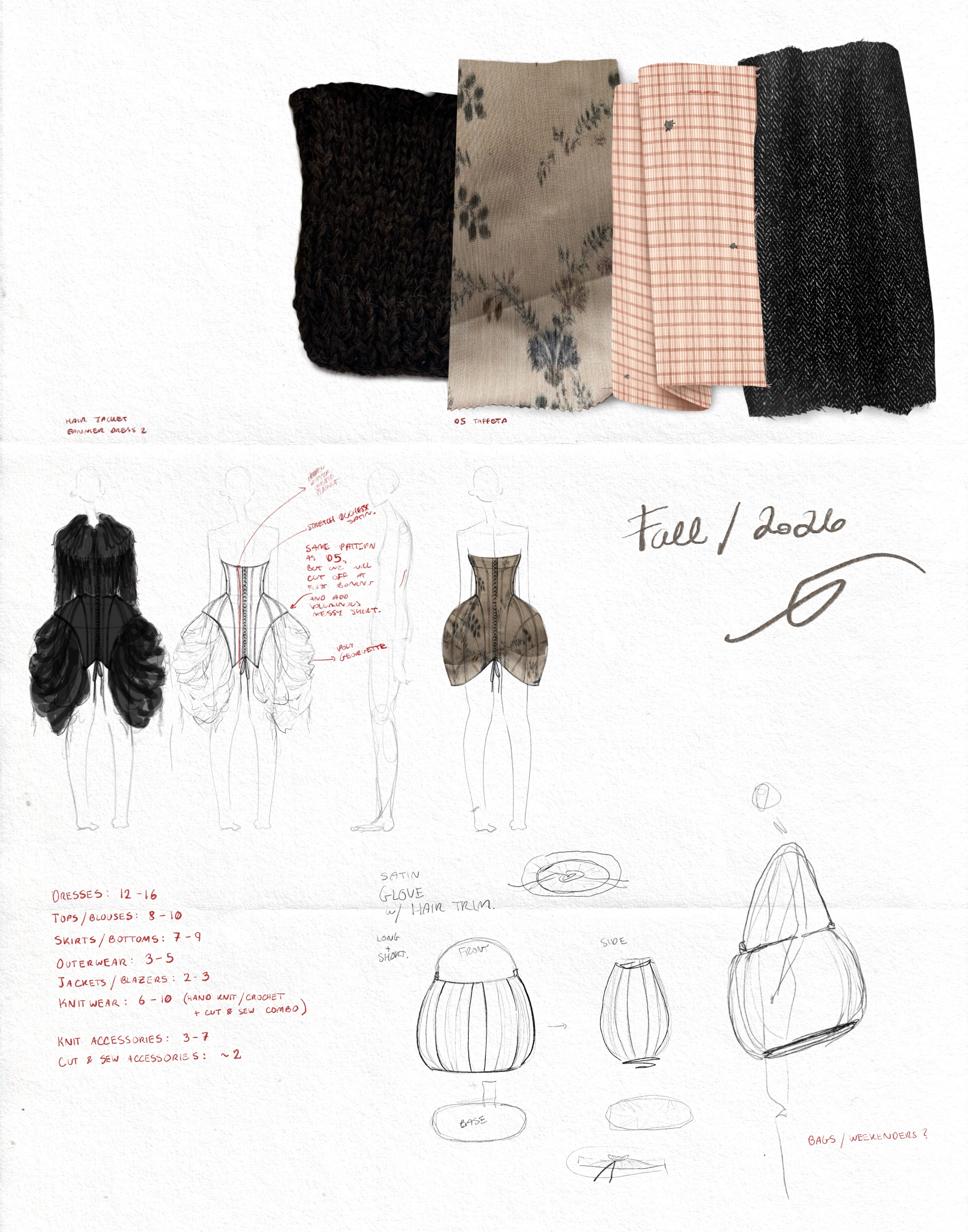
FIDAN NOVRUZOVA: I just got back from Italy. It honestly used to be more stressful in the past, but we're building more confidence season after season. It's one of the most creative things that I do, even though it feels very operational—to go somewhere and buy fabrics—but I sometimes go with 20 research images, no collection sketched, and the vision is built based on the fabrics. I have a good relationship with the warehouse, and they allow me to take scissors and chop pieces as I go, then I collage them together to make sure they all speak to each other. On one hand, it's very visual, on the other there's something intellectual or intuitive about it.
The 1920s and ‘80s, the world of Art Deco, these are always references for you. What is it about that era that you hope to channel in your designs?
I think it's just the joy of living. Globally, there's so much joy in living, in exploring, in creating, in looking a certain way, and dressing up. Obviously, I am a woman designing for women. I think of routine, of practical aspects, but at the same time, I love this special occasion wear feeling that everyday wear can have—where you preserve certain elements of functionality, while using slightly more elegant fabrics or details.
ND: Do you feel like joy is missing from fashion now, or missing in the way that we get dressed?
FN: I wouldn't say it's missing in fashion, but I would say it’s missing in the way we get dressed. The positive is it's just us, as women, having no need to please anyone or any societal norms, but at the same time there was beauty in it. I don't know how to say this without saying something controversial, but I just think there's more joy in dressing up in those times than what we have today. We're all collectively dressing down a bit now.
ND: How have you evolved alongside your work since launching your label?
FN: It's been five years since the brand launched. I feel like in your 20s, every year pretty much counts as double, or maybe even dog years. Once you’re running a brand, doing the creative plus the entrepreneurial side of it, you evolve at a fast pace. To say that I have changed is an understatement. In general, the clothes have grown up alongside me. In my first few seasons, there was a focus on the editorial gaze which was an important time to bring out the brand codes. But now, a lot of thought goes into women's wants and needs.
ND: How does the city and your community in Paris inspire your work?
FN: It's been amazing. In the early years of the brand, I was between Paris and Moldova, but now it's been over a year and a half since I'm full-time in Paris. Being more connected to my clients, to the Fidan girl—it definitely makes a difference, not just to the design process, but in being able to have that dialogue in this very direct way.
ND: You recently had your first show and celebrated the brand's 10th collection. Why is it so important to celebrate these milestones?
FN: I am big on celebrating milestones because it's just so easy to get caught up and not even notice how life went by. In the professional sense, this happened to be a show: a moment of joy and full visualization, materialization, of ten seasons and five years of my craft. But in life, I am just big on celebrating anything that feels like a proud moment. For women, in general, we're so wired for imposter syndrome. It's important to go the extra mile to reward yourself for those achievements.
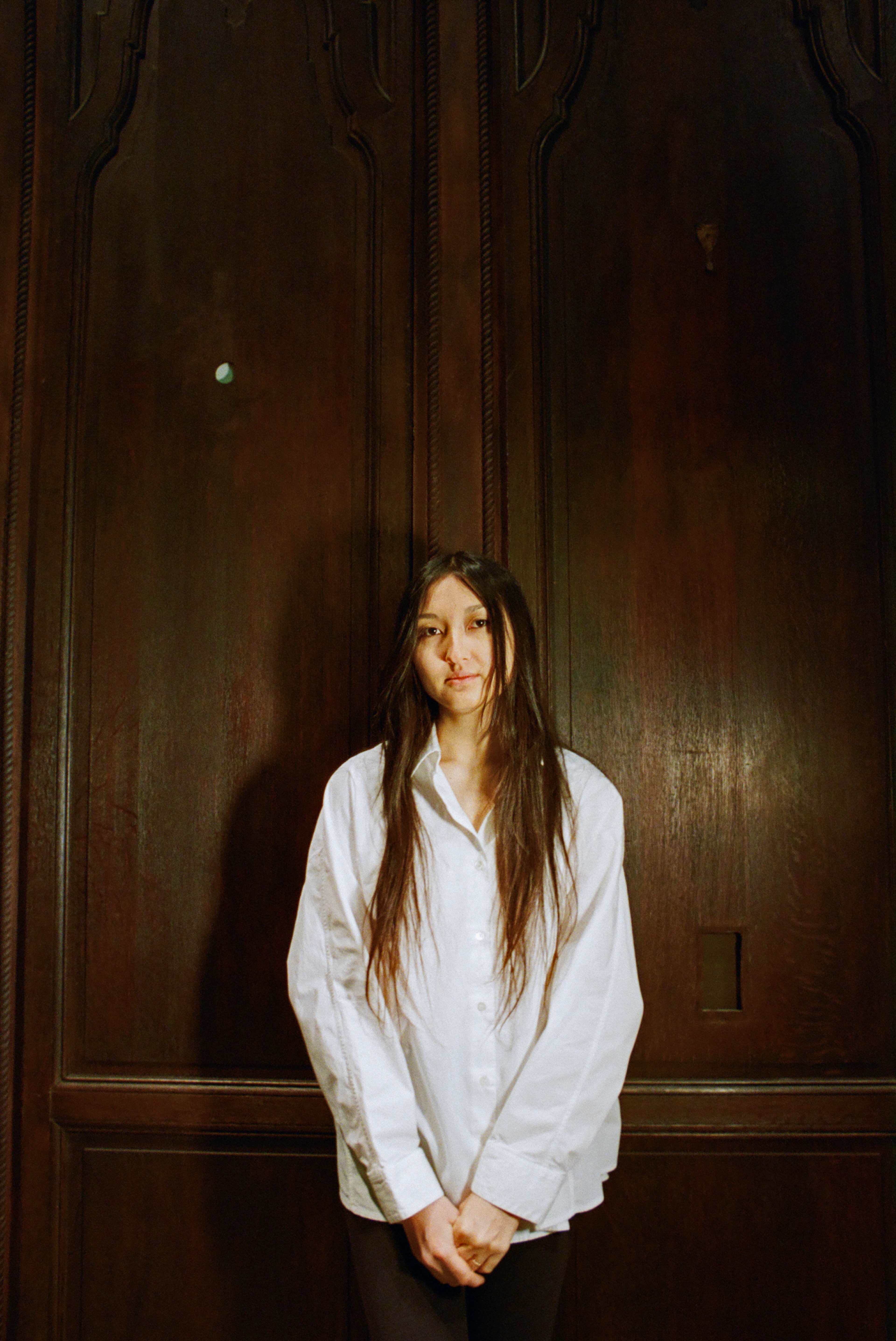
Meruert Tolegen by Sabrina Santiago
MERUERT TOLEGEN
Words: 982
Estimated reading time: 5M
Sitting in her new flagship store in New York’s SoHo, Meruert Tolegen recounts the early days of starting her brand. Having studied math and physics in school, with ambitious plans to become a doctor, Meruert stumbled into fashion accidentally. After the birth of her daughter, she sought a hobby and began making children's clothes. Then, ever so slowly, designing for moms. “It snowballed from there,” she says of launching her namesake label in 2021. Last year, she was a semi-finalist for the 2025 LVMH Prize and her gothic, 18th-century panniers and floral corseted dresses have placed her within a set of emerging women designers bringing new energy to New York Fashion Week. Meruert traces her early interest in craft to her upbringing between Northern California and Almaty, Kazakhstan, where she lived until the age of five.
ND: You were around crafts and learned to sew quite young. Didn’t your grandma teach you?
MERUERT TOLEGEN: I've always enjoyed craft. I did really enjoy the finishes of garments, how they're made, the way fabrics are used. I was always just drawn to it. I liked crocheting and knitting.It's just part of our culture in Kazakhstan, you teach the girls. But even the boys know how to sew, how to knit and crochet. It's from the Soviet era, when even people who could afford to buy things, there was just nothing around because the Soviet Union isolated everybody and so it became this normal thing that people learned to sew if they wanted original or unique things. This was something that, for my grandmother, was second nature, and she passed it along to me.
ND: Do you feel like your science background works its way into your design practice at all?
MT: I’m very organized. Having things organized definitely helps me sort through things and build the collection, just understanding and really digging into what is missing in a piece: What makes it nice and what makes it not as nice? What makes it luxurious? What are the finishes that are missing? And there's always something missing, you can always work on the same garment over and over, but I think it's like a methodical approach that does help.
ND: When you begin working on a new collection, where does the design process start for you?
MT: It always starts from sketches. I think about shapes and then we move to choosing fabrics. I imagine it in my head. We shape it, we sketch it, and then we add the details. Then we see what the movement of the collection is, and if there's not enough of a softness, we add in another fabric or piece that we feel is gonna calm the collection down. If that makes sense. It's more instinctual, but I have started doing more research and saying, ‘I really like the geometry and the corsetry here, and the caging,’ and here is where we can add boning and add a seam.
ND: I love that balance in your work between the rigid, the corset or the structure, and the loose, typically more feminine fabrics.
MT: It's so beautiful. We'll have corsetry that is transparent, but then heavy suiting… I've always had comments that kind of bothered me like, ‘Oh, it's very ethereal or it's feminine or romantic,’ and I never saw it this way. In some sense it's structured, but it's not feminine. Or it’s feminine, but it's not soft femininity. It's more solid. It's moody. It can be funny. It can have some touch of whimsy.
ND: Do you view fashion design as a vehicle for self-discovery?
MT: It can be creatively, or personality-wise, who I am as a person or as a leader. Owning a business or even just creating, you can discover things about yourself. It's easy to get in your head and put your whole self into it. I've learned not to, and I think It's good to keep that boundary with yourself because at the end of the day, it's just clothing. It is creative and interesting, and it's not really just clothing, but it is too. Remembering that and not getting so emotionally wrapped in it [because] that can get in the way too.
ND: What have been some of the most difficult aspects of navigating the fashion industry as a young designer?
MT: The market is saturated. There are so many designers that are really great, and it's just a very different digital world. It isn't like it used to be. It's hard. It's easy to make noise, but it's not easy to have a clear path for people to see your brand because people have such a short attention span. They're watching reels and they see a cute dress. And then they swipe right, and they're onto the next reel where they're seeing another cute dress or looking at vacations. It's a very easy thing to get swept away in all of that, because there's just so much out there, and keeping people interested is a struggle when all we're trying to do is create. That part is very unpleasant because it's business, and not everybody has the understanding or a business mind. There’s a lot of layers to building a brand, and keeping a brand.
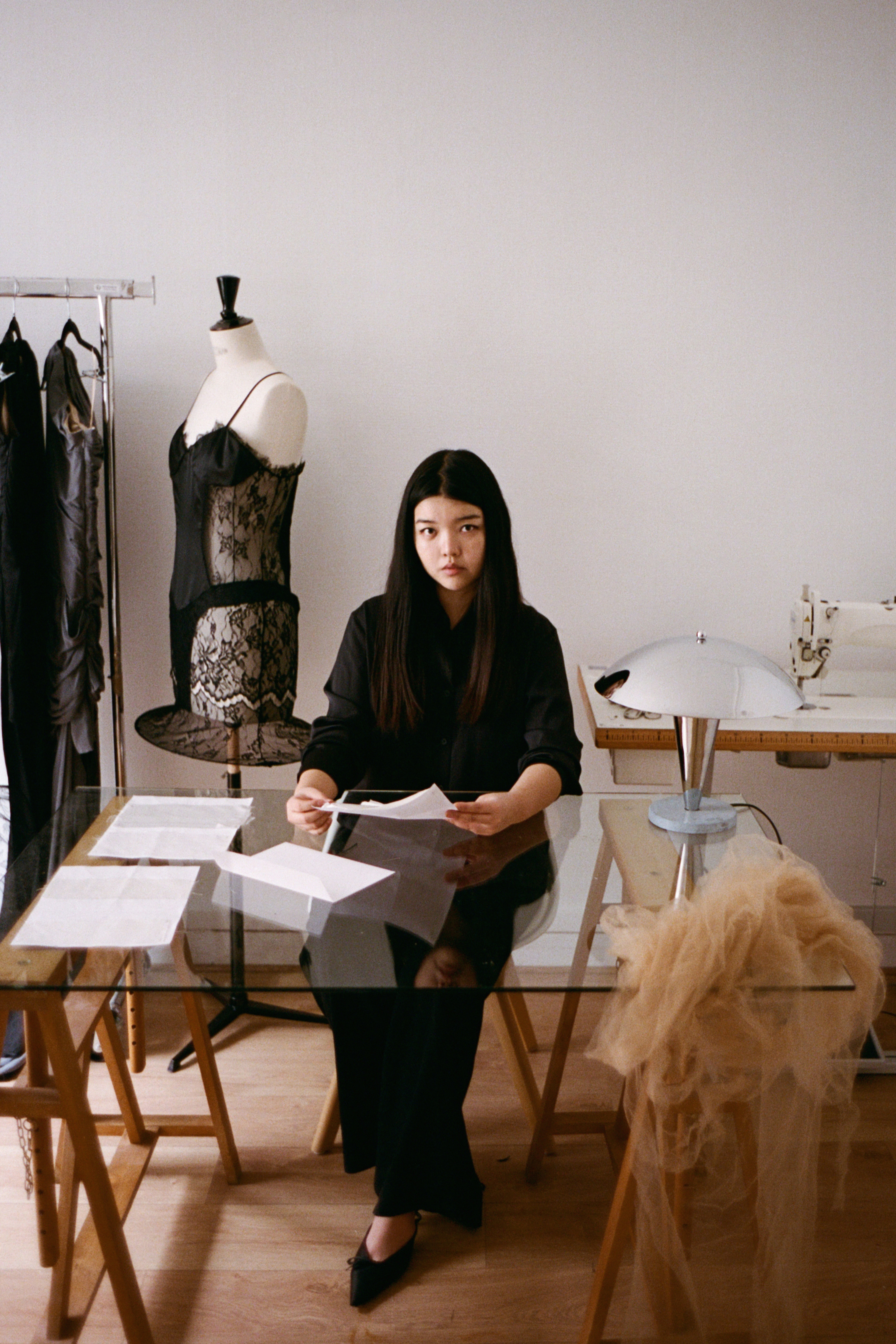
Jisoo Baik by Cy Klock
JISOO BAIK
Words: 710
Estimated reading time: 4M
Growing up with an artist mother, Jisoo Baik was always drawn to creative worlds. Though she dreamt more of Central Saint Martins than of becoming a fashion designer, the signs were always there: from a young age, she found a sort of spiritual role model in Madame Grès, the 20th-century French couturier known for her intricately draped gowns, and Alexander McQueen’s Spring/Summer ‘99 show, ‘No. 13’ caused an emotional stir in the South Korean teen. After her studies at CSM and the Institut Français de la Mode, as well as stints at Balenciaga, Mugler, and Saint Laurent, Jisoo was well on her way to setting up her namesake label in Paris, where sculpted, highly- architectural techniques have become her signature.
ND: Did you always have your sights set on becoming a designer? Were there moments that you doubted having an artistic career?
JISOO BAIK: I grew up with an artist mother, so creativity and art were always present in my environment. Because of that, I naturally developed an interest in artistic expression, although I didn’t initially imagine becoming a fashion designer. When I was a teenager, I discovered the McQueen show where robotic arms sprayed paint onto a dress during the performance. It was a shocking moment for me. I realized that fashion could be more than clothing; it could be a form of art that communicates ideas, emotion, and powerful visual experiences.
ND: Your work has an architectural quality to it. Why do you think you’re drawn to creating extreme silhouettes and shapes?
JB: I’m particularly fascinated by shapes that transform when viewed from different angles. I’m also interested in very fundamental elements like lines, circles, and planes. Starting from simple geometric ideas and developing them into sculptural silhouettes is something that I find very exciting.
ND: How important is exploration and play within your practice?
JB: Exploration is very important. I rarely begin with sketches. Instead, I start by experimenting directly on the mannequin. Through draping and shaping fabrics, I begin to discover interesting silhouettes. Sometimes it feels as though my hands remember before my mind does. This process of experimentation is how I discover forms that feel true to my design language.
ND: Tell us about your wire sculpting technique that has become your signature.
JB: This technique developed during my time in fashion school. I was constantly searching for ways to create structure while keeping the garment light. Through many trials, I began using wire structures to build form within the garment. It allows me to create shapes that almost feel like wearable sculptures. For me, couture is not only about following traditional rules, but also about exploring new forms of expression. Craftsmanship and heritage are very important, but I believe couture should continue to evolve.
ND: Who is the woman that you want to dress? What character traits do you hope she might possess?
JB: The woman I imagine embodies both softness and courage. In my work I often use fragile materials such as jersey or lace, fabrics that are light, transparent, and delicate. At first glance they may appear vulnerable, but the sculptural structures built around the body create a kind of protective space. For me, those structures form architecture around the body. I imagine a woman who feels slightly surreal, almost like a futuristic heroine. She is feminine and sensitive, yet bold and fearless, someone who is not afraid of her vulnerability and instead transforms it into strength.
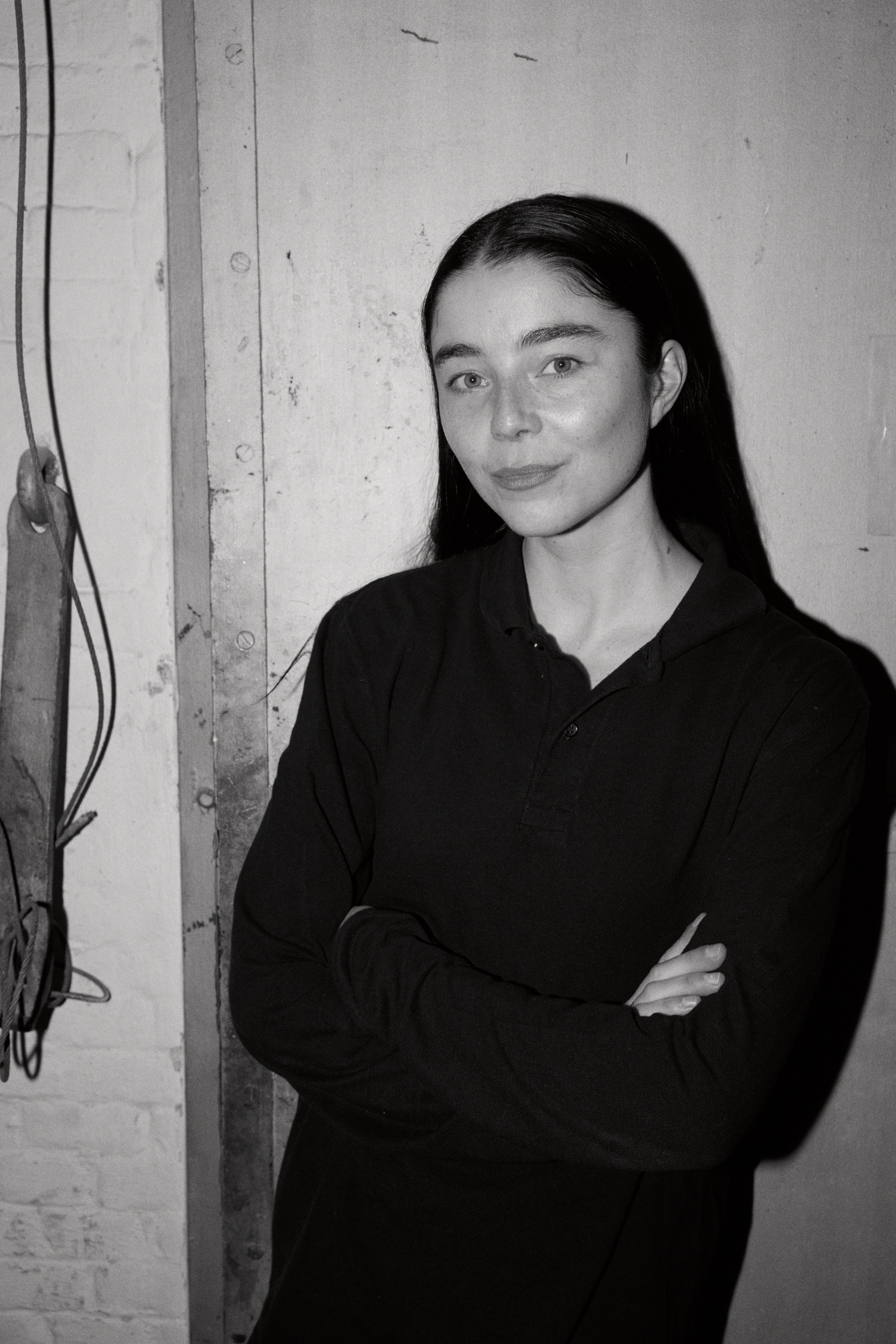
Julie Kegels by Tom Delaisse
JULIE KEGELS
Words: 885
Estimated reading time: 5M
Belgian designer Julie Kegels was fascinated by the six designers who came to define her hometown – Antwerp – from an early age. This, naturally, culminated in a degree at the fabled Royal Academy of Fine Arts. After graduating and a stint in Paris, Julie launched her own label, a small, carefully growing studio that, just days after we speak, is announced as an LVMH Prize semi-finalist for 2026. The work centres on shifting female identities, and how one person moves between roles throughout a day. Through construction, layering and subtle disruption, garments reveal what lies beneath appearance, drawing inspiration from conversation, literature, art and everyday observation.
ND: Take us back to the beginning. What do you think it was that attracted you to fashion?
JULIE KEGELS: It started with clothes for my dolls, for Barbies. Then, the moment I had to read, I got a lot of books from fashion designers. My parents gave me books about Paul Poiret, Vionnet, Man Ray, and I was very fascinated by their stories. After that, I started to make things. I was always making things with my hands. I went to a Steiner School, where they really pushed the talents of their students. We had knitting, embroidering, making music, dancing, woodworking, sculpting. I also did a lot with fabrics at home. The first time I really felt the shock of happiness from making something was when I made a skirt from just a piece of fabric. I was maybe eight.
ND: You attended the Royal Academy. I’m curious how your time there shaped your identity as a designer?
JK: My parents would say, “You were born in Antwerp, you have to know about the Antwerp Six.” They would tell me stories about them and take me to exhibitions. In high school, I was doing sciences. I hated it. But I always went to drawing school after school, and tried to learn to stitch. I was preparing myself to do this entrance exam in the Academy. It was a very nice school. It was very hard. It was nice that I was so young, and I didn’t do any other fashion school before, so it was easy to adapt, because the teachers can read the students very well, and see when you’re honest or when you’re not honest: when your work is really your core. It’s a very creative school. We didn’t have any business classes or anything about the industry.
ND: What did you do after graduating?
JK: I did some freelance work first because after this Master’s, you fall into a black hole. I was designing for brands in Brazil. Then I did an internship at Meryll Rogge, and after that, I went to Paris and did an internship at Alaïa under Pieter Mulier. But it was always my dream to have my own brand. I had a feeling that if I waited, there would be a point when I would not dare anymore. I knew that I had the energy when I started, because I’m young and I don’t have any other responsibilities at the moment except this brand.
ND: Now that you’ve launched the label, how do you balance that – listening to your gut, knowing that it’s time – with the intention required to build a business?
JK: I spoke with a lot of people who worked in the fashion industry, in the business itself, because I wanted to understand how it worked. At Alaïa, it was very nice to see all these departments, what it takes to have a fashion company. I was studying how to do this. It took half a year. Now I have Mauranne, who is doing the brand’s business development, and then someone Enid, who is doing administration and logistics.
ND: Since you’ve started, you have been inspired by the different archetypes of a modern woman, and the many experiences that a woman might have in one day. How does that continue to shape both your collections and your role as a designer?
JK: As a woman, it’s nice to design for other women because you have these experiences yourself. You do things throughout your day-to- day life, or you are in situations, and these situations can be very special, but also very ordinary. That’s always my inspiration. But there are so many layers. We can have so many different identities. The last collection was about changing identities through the course of a day – you wake up and you’re a girlfriend, and then during the day, you’re a businesswoman, and then in the evening you’re very social with your friends, having dinner together. You can have different personalities as well, and I like to play with this and combine these different personalities.
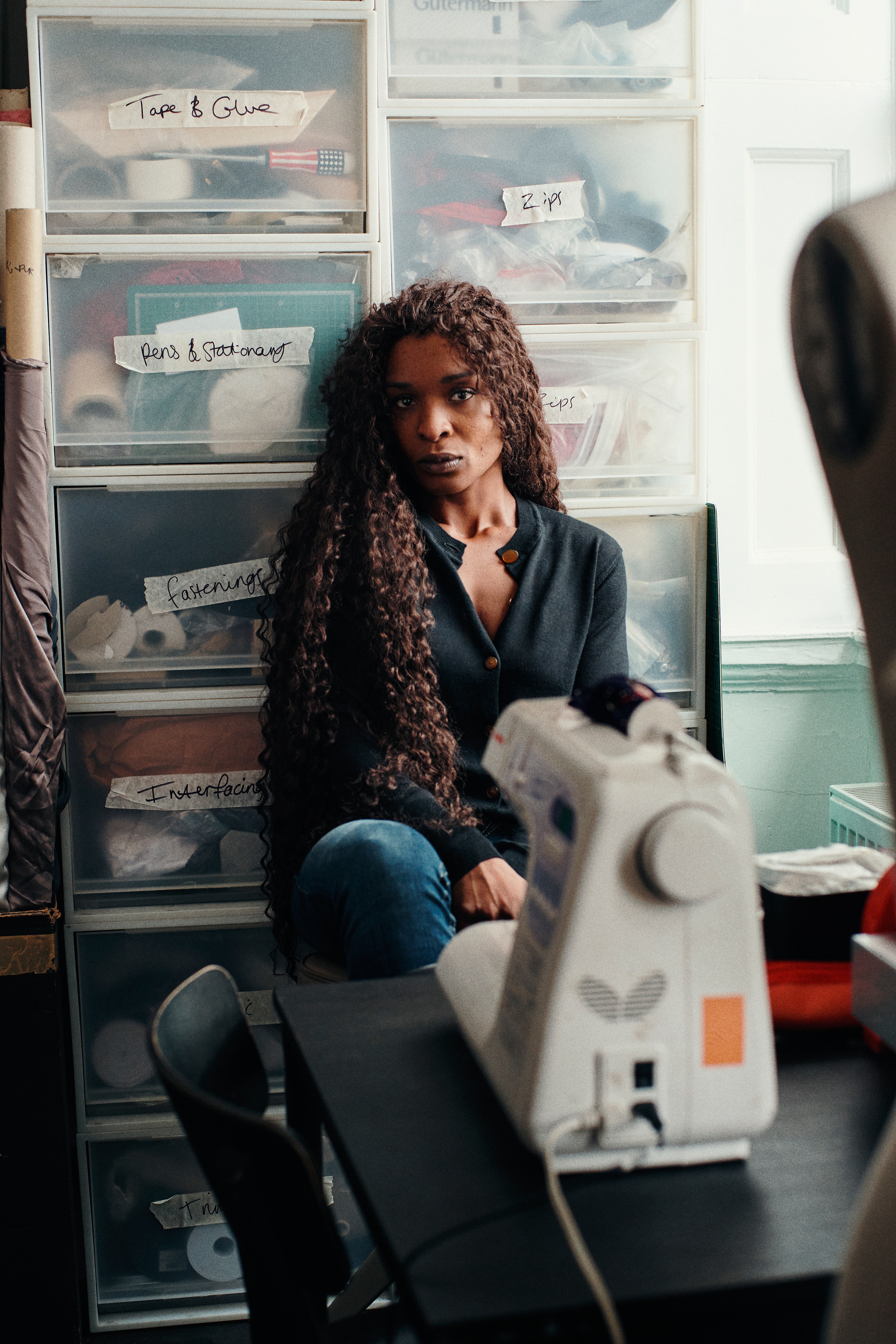
Torishéju Dumi by Edd Horder
TORISHÉJU DUMI
Words: 937
Estimated reading time: 5M
Growing up Roman Catholic, the first garments that caught Torishéju Dumi’s eye were the massive robes worn by priests and altar servers in her church; the way they levitated down the aisle, a trail of swirling fabrics in their wake. “I love that idea of creating a world that is so visceral it feels real, and abnormal,” she says. This ceremonial aspect to uniform dressing and a love of fine art eventually led to a career in fashion, where her designs explore the cultural and historical traditions around clothing. For the London- based, Nigerian-Brazilian designer, her best work is a bit uncanny, possessing the quiet power of leaving the viewer unsettled.
ND: When you had first launched your label, you were super intentional about it. When and how did you know that you were ready?
TORISHÉJU DUMI: There’s never a right time for anything in life, you just have to go for it. After graduating, I took a year to work because I needed the money, so I worked at London College of Fashion on the costume course. On my weekends and in the evenings, I was making garments and the collection “Mami Wata” came about. I didn’t intend to sell it, but there were some people who were asking for pieces. I thought, ‘If I can do this, I can do a collection.’ I had the support from Gabriella Karefa-Johnson and Lucien Pagès, who supported me pro bono. They took a chance. It was a collaborative effort. The reason I started was just because I felt I had something to say, a different point of view. It’s not just about creating clothes or garments, you have to tell a story.
ND: You often do cut-outs, discs or circular shapes, and really play with that throughout your designs. Where did that inspiration come from?
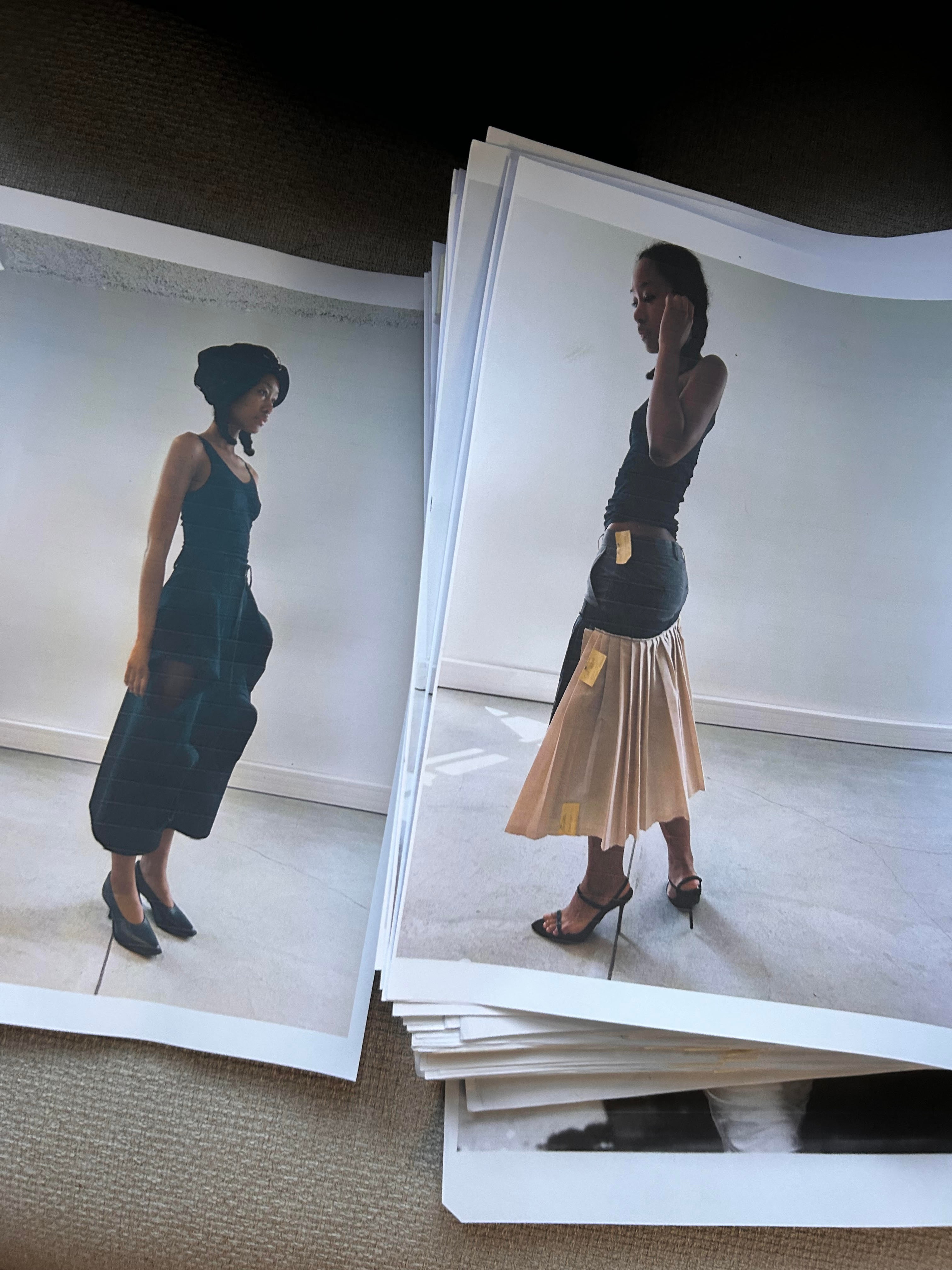
TD: I don’t sketch. I just work on the stand. I cut up things and patch them together. I’ve always been obsessed with cut-and-paste, and I also make a toile – a Frankenstein, patched together piece. Those shapes are often just sleeves. I’m obsessed with holes. It’s infinity. It reminds me of something that just goes on, something that’s quite uncanny. I like things that scare me, and those holes do scare me. It makes me feel on the edge, and I like looking at them.
ND: What’s your favorite part of the design process?
TD: I love research. I could be in a museum library for ages and just go through the books. Sometimes I get so lost that I forget what I’m even researching; I put two and two together and have gone down a whole other rabbit hole. You can look at the past, the future, not only through books, through movies, just wandering around a little town in England, or staying at home and looking through family photo albums, notes from the past that your mother was writing. I feel grateful that not only can I design clothes, but I can research.
ND: You never know what is going to strike that chord and inspire the next collection. Is there anything you’re obsessed with right now?
TD: In general, I’m interested in horror. I love anything that scares me, anything that has that sort of oddity or weirdness to it. I thrive in that. I think I’m just an extremist. I have to either feel terrified, or very overwhelmed and excited, or very upset. There’s always this, not necessarily scary, but a weird thing within the collection, something that makes you quite unsettled. I love when you look at artists, such as the van Eyck brothers, and how they used to create paintings that were so odd, but they were just real.
ND: To what degree do you feel like it’s important to operate by your own rules within the fashion industry?
TD: You need to live by your rules. You need to follow the rules that are given to you, but you need to make them work for you. In fashion, how I see it is I want to create my own rule book. I don’t want to live with preconceived notions of who I am as a person. Being a Black female designer, British, Nigerian, Bahian, I don’t want to live through those preconceived notions of how people see me, or how I should take on fashion. You have to do things your way, because at the end of the day, it’s how you lay your foundation that is going to determine the structure that your house is built. The world is your oyster. You need to do things the way that are best for you. We are all different in this world, so why should there be one set rule for how something should be done?
ND: How do you find the balance between pushing yourself and also following your gut instinct?
TD: It just happens naturally. I like to work. I like to push myself to places that I don’t think I could ever imagine going. I think you have to in life. And at the same time, when something feels right, it feels right, and I go with that.
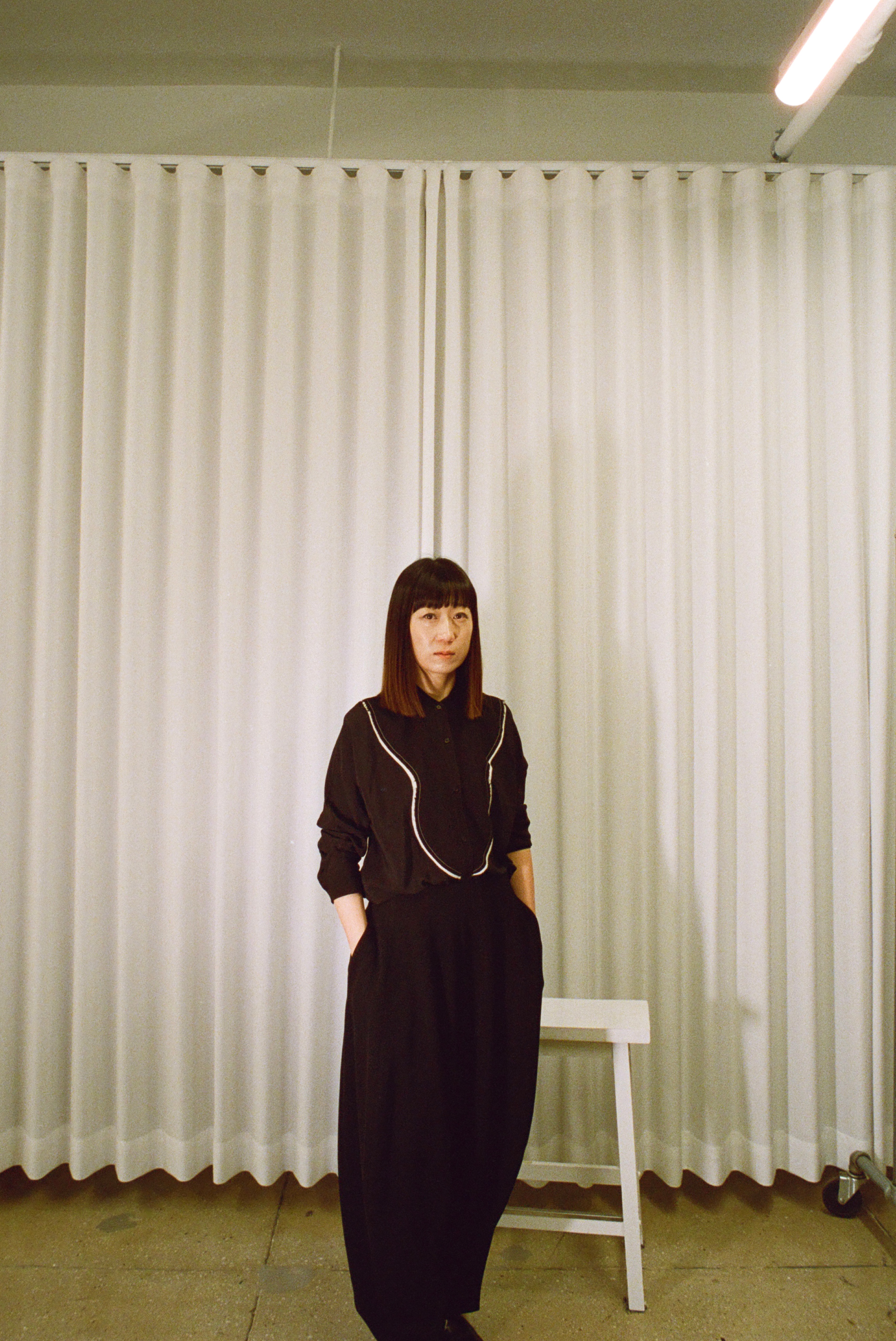
Ashlynn Park by Sabrina Santiago
ASHLYNN PARK
Words: 746
Estimated reading time: 4M
Inspired by architecture, the rich history of Japanese design, and the inimitable experience of working under Issey Miyake, Yohji Yamamoto and Raf Simons, Ashlynn Park founded a label of her own. Through ASHLYN, the Seoul-born, New York-based designer pushes the constraints of patternmaking to create sculptural silhouettes, refining proportions with the beauty of the female form at the forefront. We spoke just a couple of months after she’d been awarded two of the most prestigious prizes for rising designers: Emerging Designer of the Year at the 2025 CFDA Fashion Awards, and winner of the 2025 CFDA/Vogue Fashion Fund. A major stamp of approval, albeit one that comes with its fair share of pressure.
ND: You started ASHLYN in 2020, having worked with such revered creative directors, what made you decide to go out on your own?
ASHLYNN PARK: Honestly, I didn’t fully decide to start my own label, it comes from everywhere, like a force. Covid paused me, paused the industry and everything, and then I was ready. It just sparkled immediately. I had experience, lessons and knowledge.
ND: Do you feel like your architectural background is present within your work?
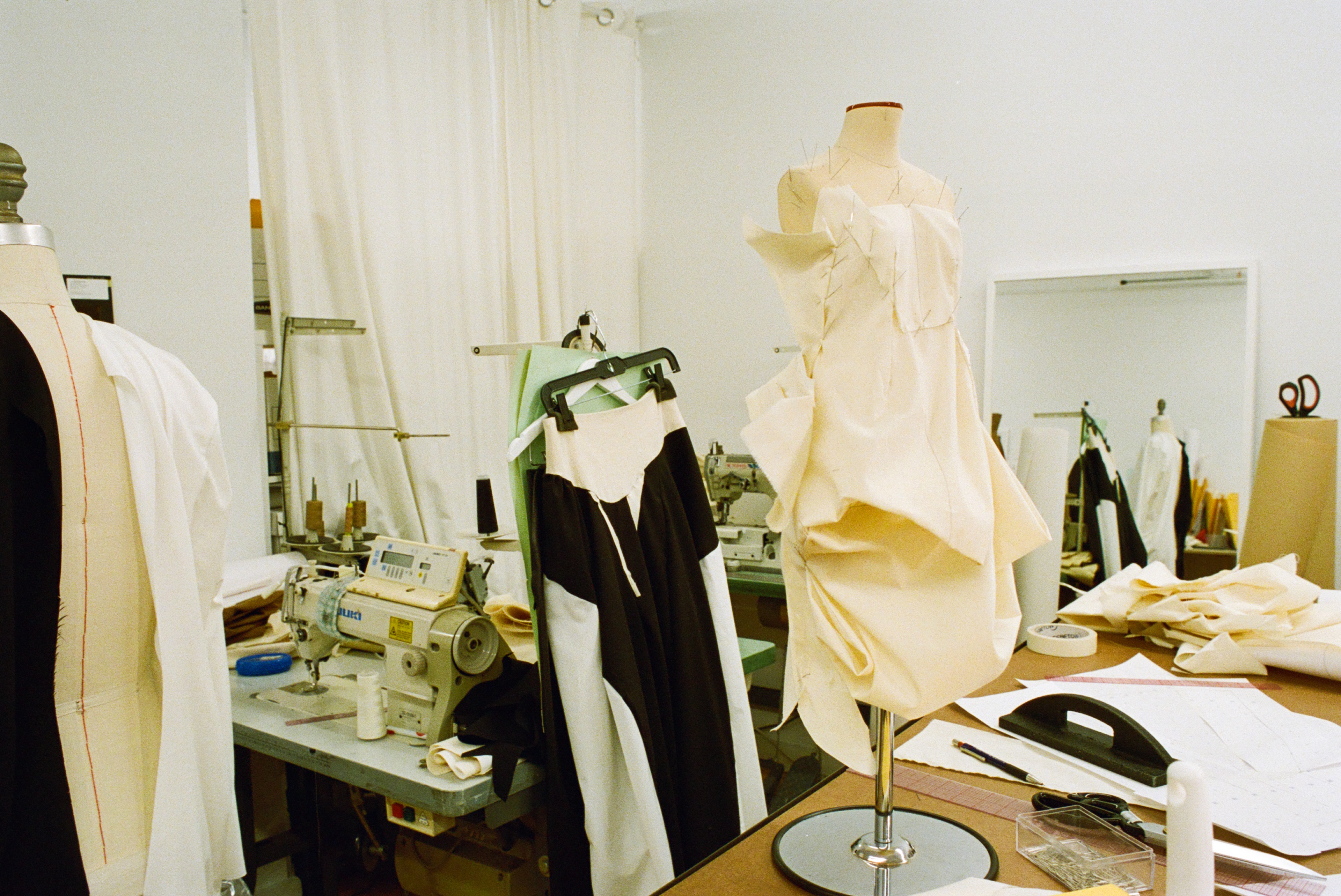
AP: Yeah, my father worked in a construction company, so naturally I thought I would design houses, interiors, or something related because of the exposure. Then, later, I learned that it was a very male-dominated industry – no opportunity for women. So, I thought, what can I create on my own? I chose clothing. There was an exhibition between architecture and fashion design that inspired me. Now, my patternmaking is that foundation.
ND: What is your favorite part of the design process?
AP: We are very different in how we approach new designs. Other designers probably get inspired from the fabric stage, a textile or texture could inspire them. But to me, it’s more abstract. When I decide on a theme, I study a lot. Not just the shape or outer shell or physical shape, I look into the philosophy of that object. Then I connect that philosophy with my personal story, and decide the silhouette first. It’s very close to architecture and how they build: they set the bones, then pillars, then they add other things, and the surface around that.
ND: People often refer to your work as minimalist, but you’ve called it maximalist. Why does that term make more sense?
AP: It’s the lesson that I learned from Yohji because I often say it was the beauty of elimination. When we start a new design, we are busy adding another and then another, putting too many colors, putting many, many details. And then later, thinking about the balance of those elements, we eliminate. It becomes minimalism without intention.
ND: Many of your pieces take a bit longer to create. It might be weeks or months spent perfecting a silhouette. How do you make space for that approach to fashion?
AP: I don’t want to chase trends or the busy schedule of the industry. I’m setting my own calendar, schedule, and speed by balancing the core pieces and new pieces for the new season. I’m not putting everything into the new season. I’m adding 50 percent from the old season, but improving it, and then, at the same time, I add experimental pieces into the collection for the runway. We have a core collection, so we are always refining that to be better quality-wise.
ND: You recently took home two of the biggest awards for emerging designers. Now that you’ve had some time to reflect, how’s that feeling?
AP: Amazing, I feel very humbled. It felt very affirming and grounding. I have different backgrounds, from Korea and Japan and here in New York City, so it is affirming, welcoming myself as an American designer. But I feel more responsibility than excitement.
CREATIVE DIRECTOR + EIC
SARAH RICHARDSON
TEXT + INTERVIEWS
NICOLE DEMARCO
Beyond Noise 2026
CREATIVE DIRECTOR + EIC
SARAH RICHARDSON
TEXT + INTERVIEWS
NICOLE DEMARCO
Beyond Noise 2026