Noise
ISSUE NO. 04: THE QUEST FOR ORDER BY CANDIDA HÖFER
THE QUEST FOR ORDER
Words: 407
Estimated reading time: 2M
ISSUE NO.04’S SUPPLEMENT SPOTLIGHTS THE PHOTOGRAPHS OF CANDIDA HÖFER, RENOWNED GERMAN PHOTOGRAPHER
By Magnus Edensvard
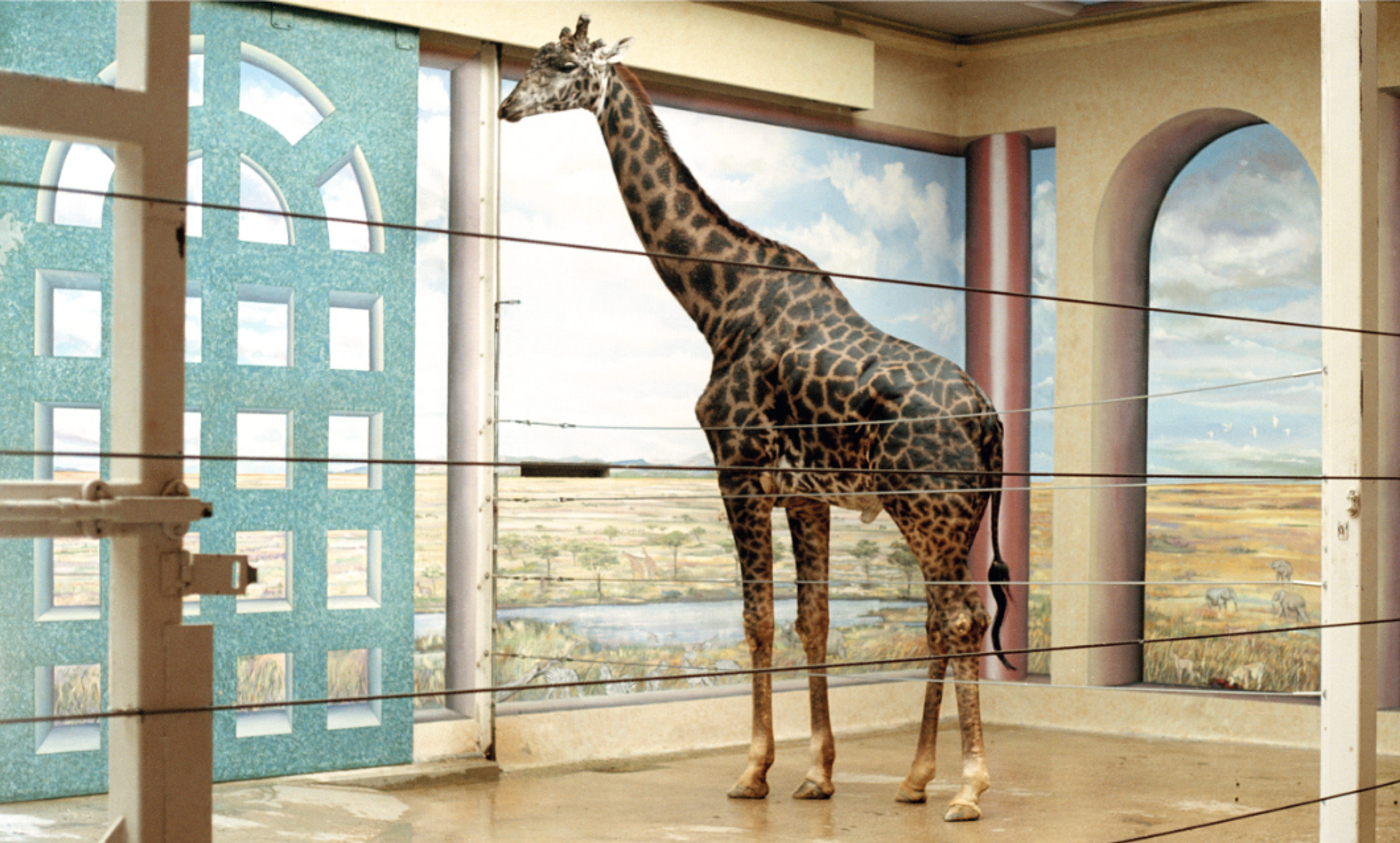
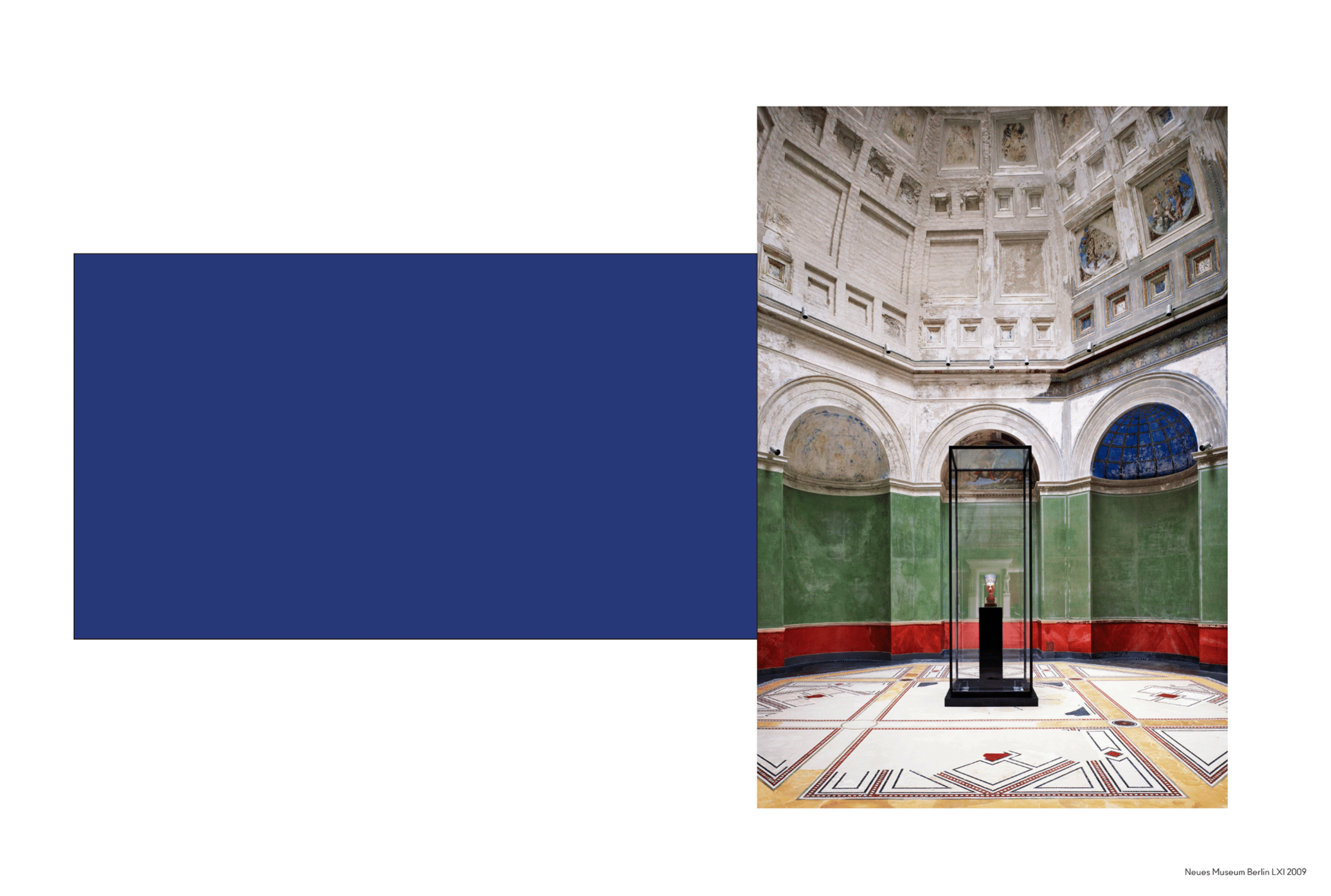
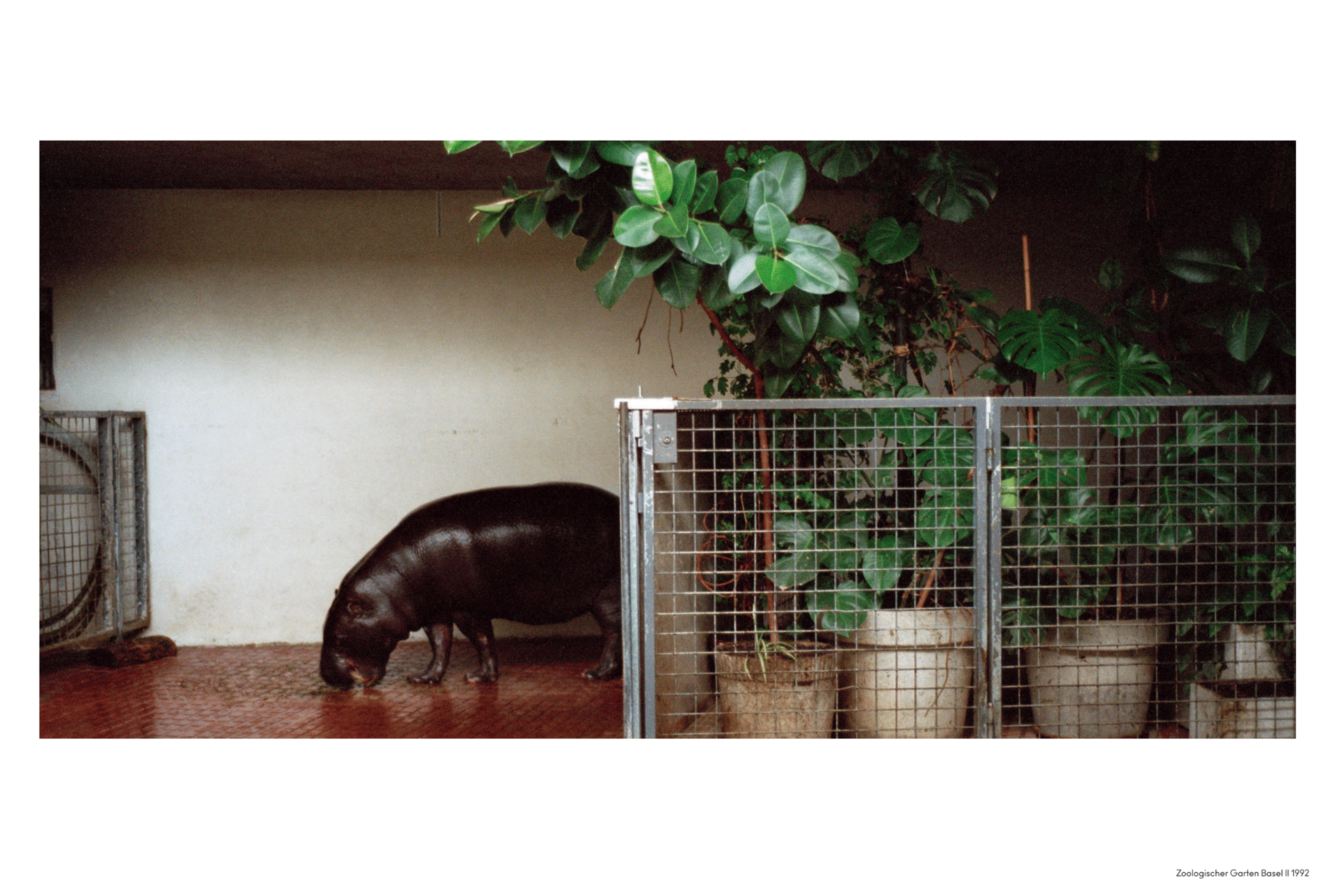
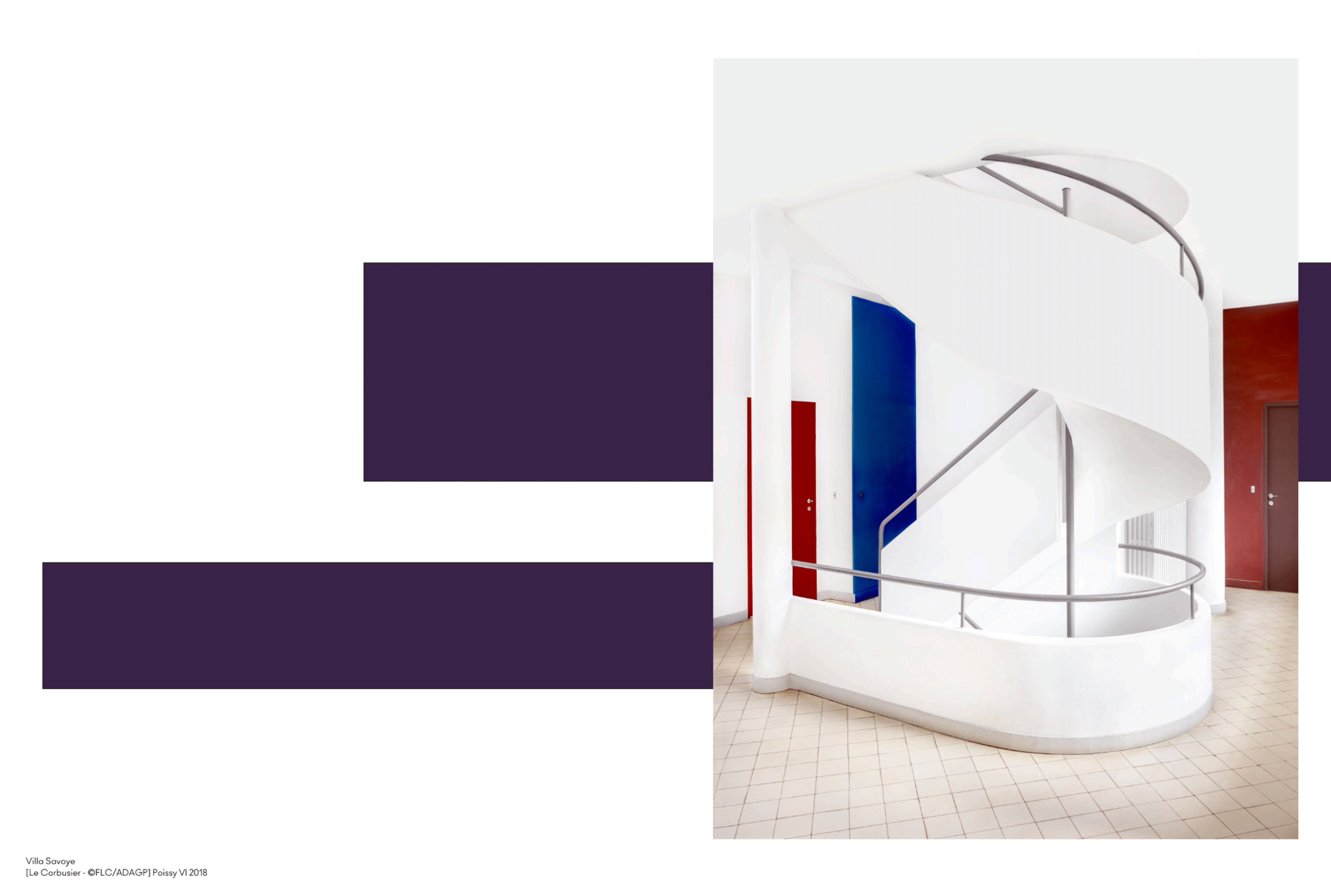
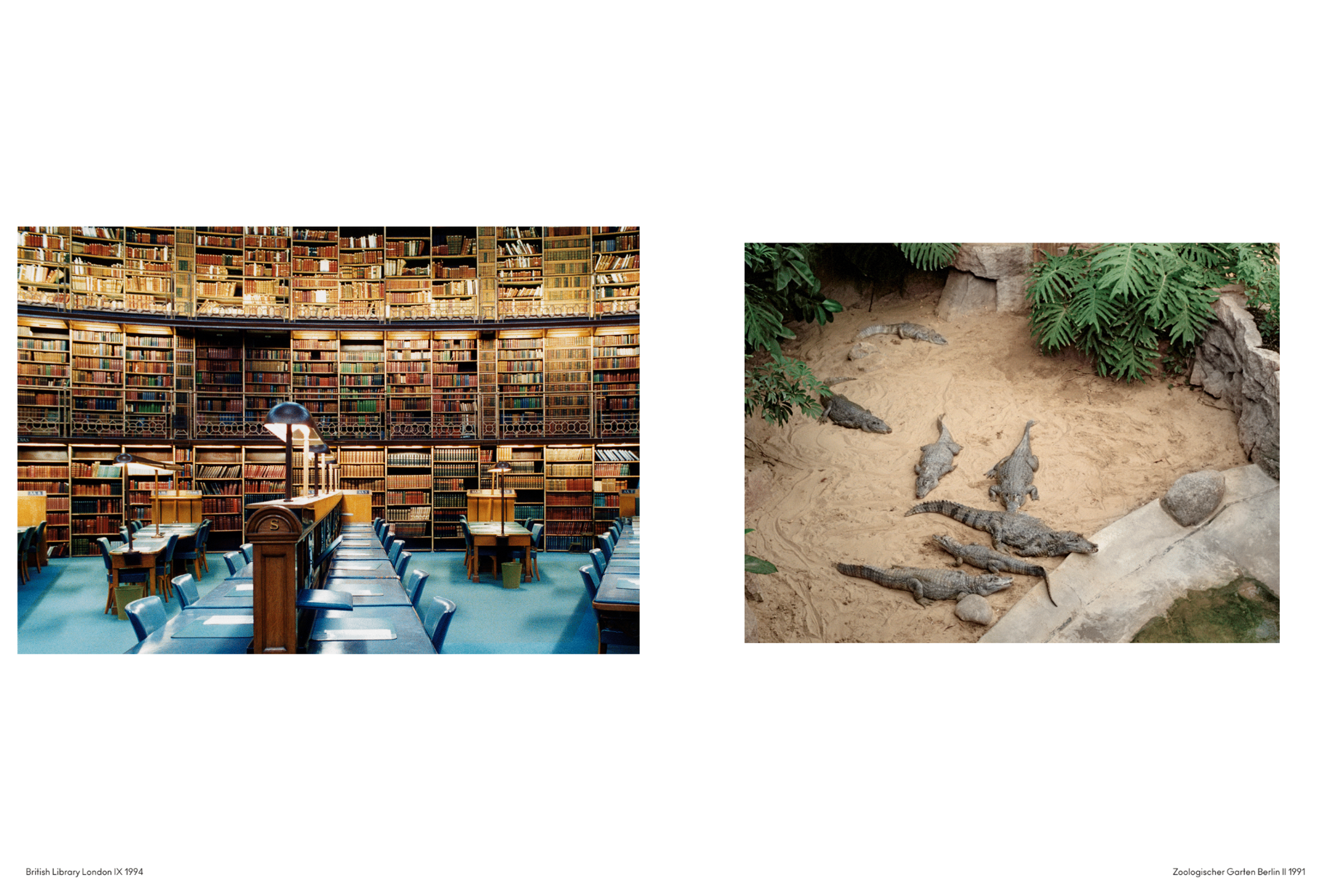
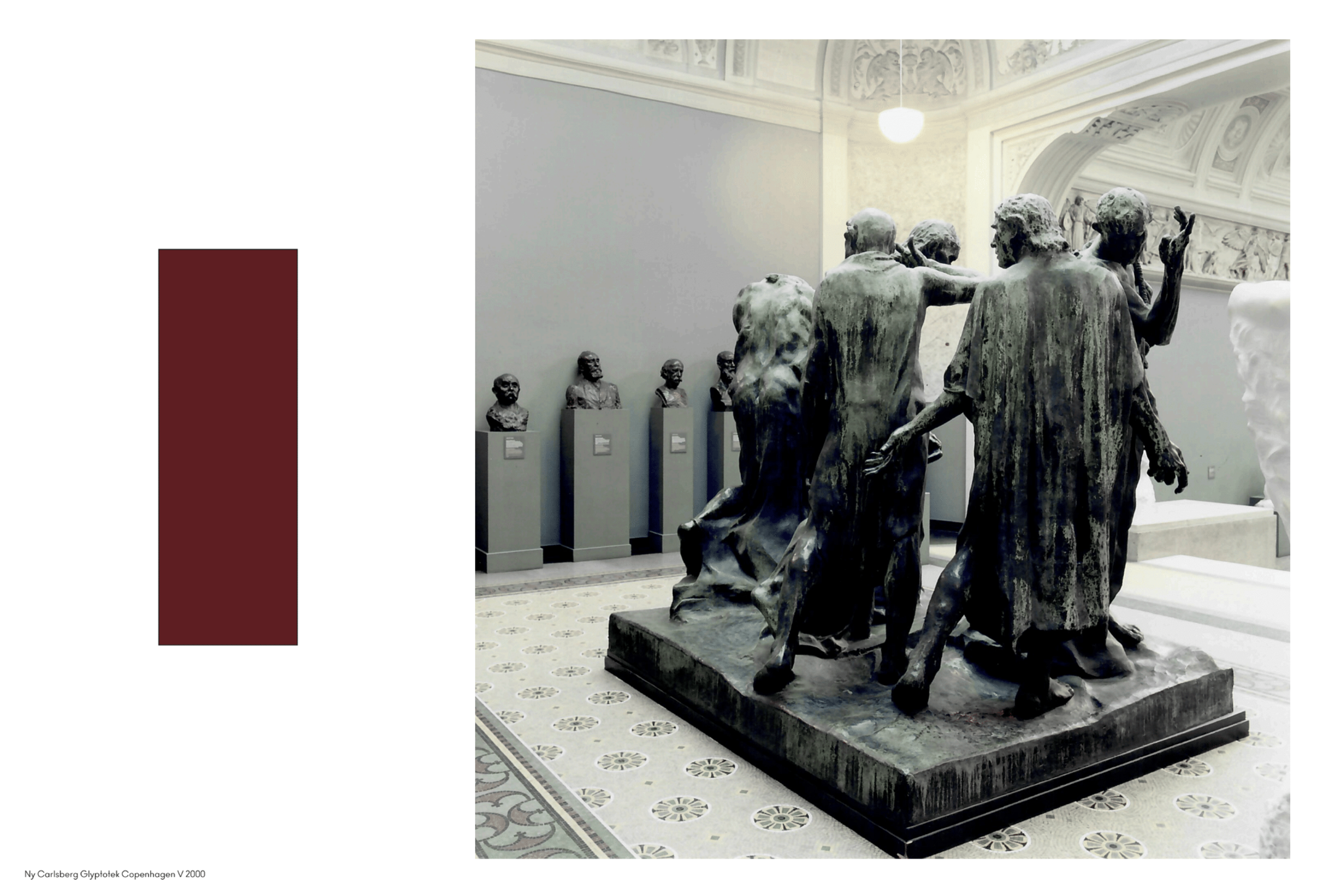
Beyond Noise presents a suite of photographs by Candida Höfer for Issue No.04’s standalone supplement. In addition to a handful of zoological settings, the larger part of this body of work depicts interiors of public and cultural institutions, primarily in Germany. These images offer glimpses behind the scenes—quiet back-of-house corridors, staging areas, and architectural details that reveal the unseen qualities of spaces designed to host art and performance.
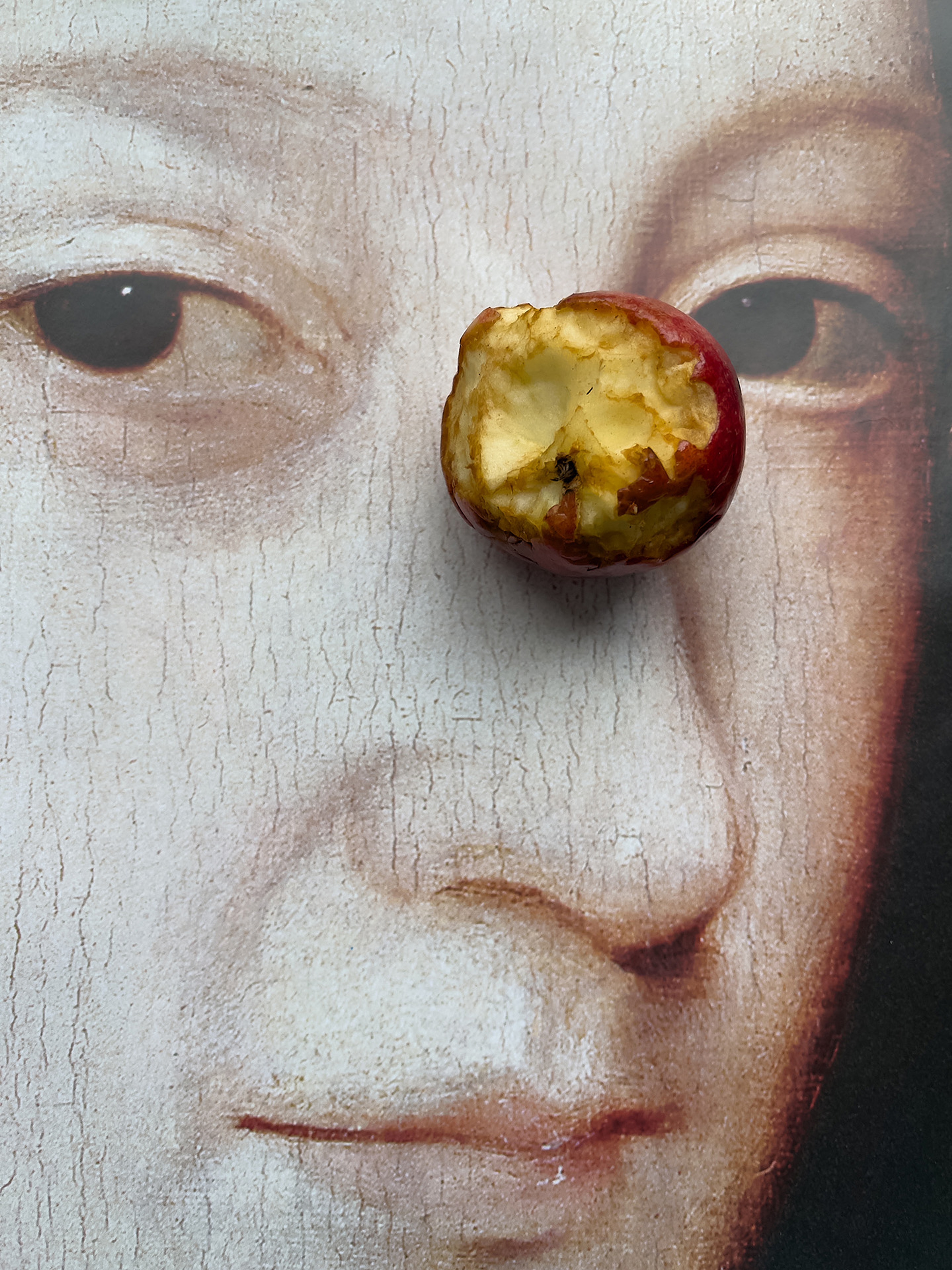
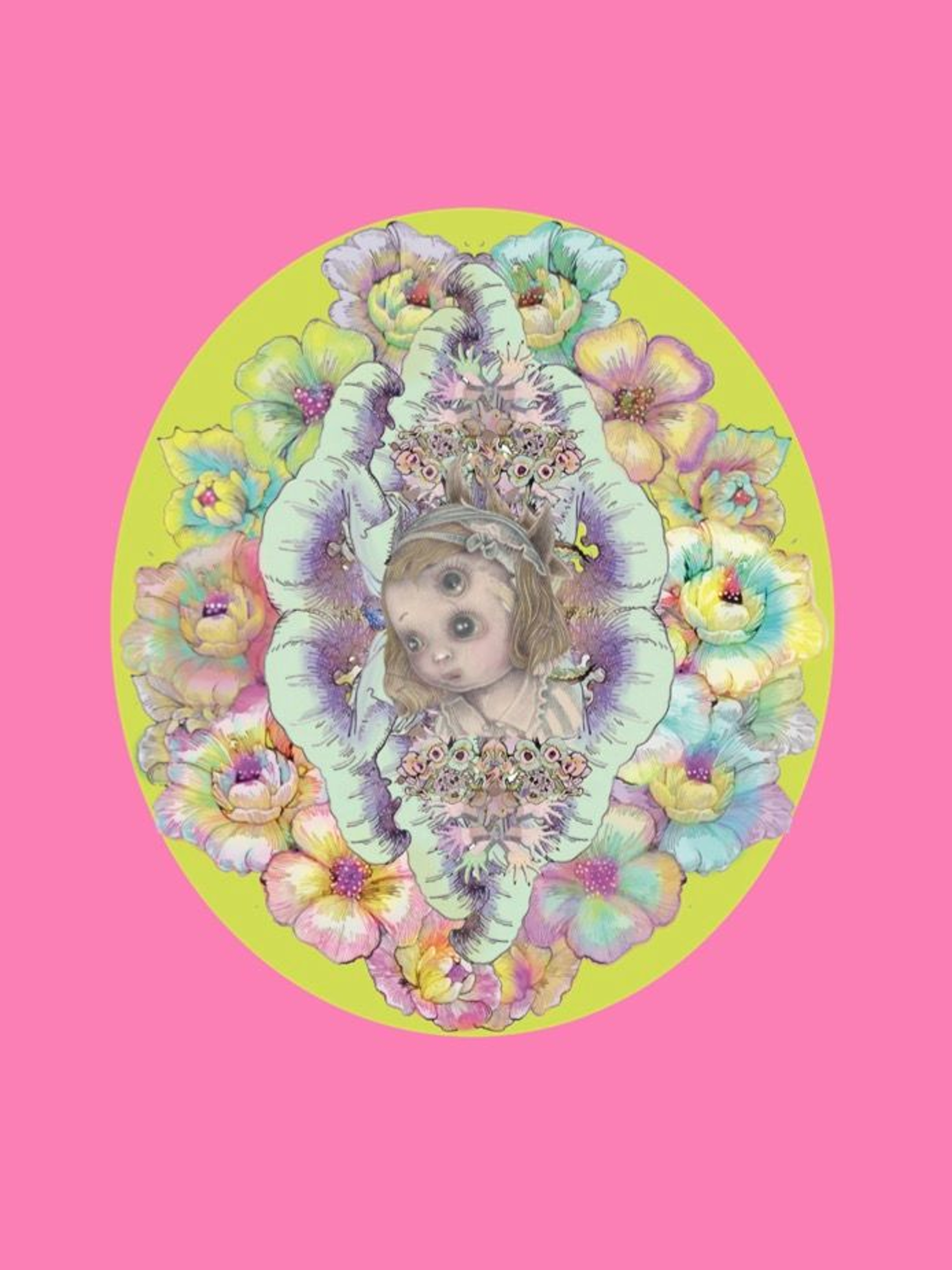
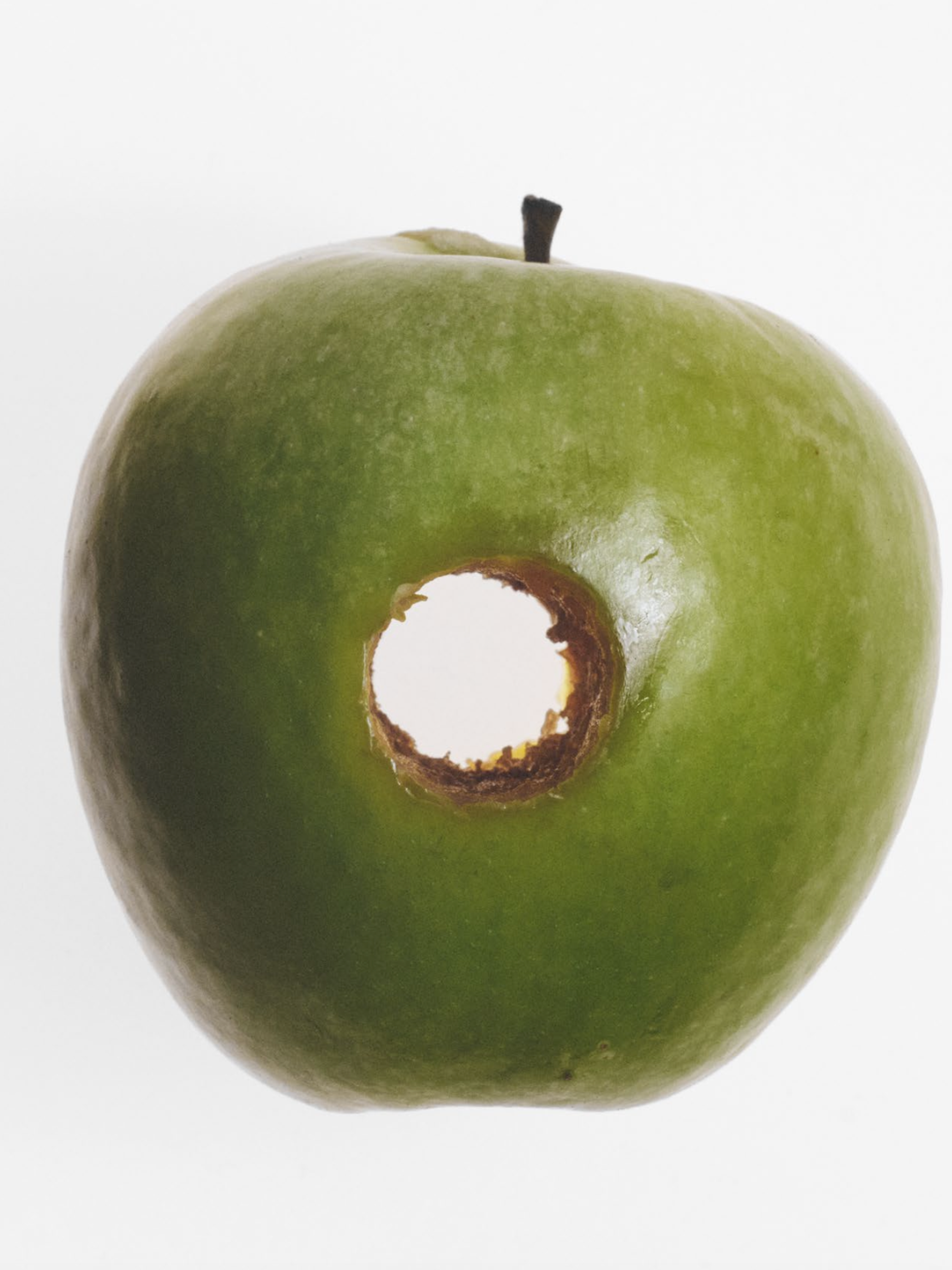
To contribute to the rhythm of the image sequence and layout of Candida’s oeuvre, Beyond Noise invited the artist Isabelle Cornaro to create, through her eloquent image acupuncture, a never-before-seen topography of Höfer’s practice. Candida also invited her partner, studio manager, and longtime friend Herbert Burkert to contribute a short text reflecting on her process, practice, and the remarkable precision of her gaze.
The resulting interplay of image and text recalls the distinct tone of Alain Robbe-Grillet’s script for Alain Resnais’s cinematic masterpiece Last Year at Marienbad (1961), in which the main protagonist, identified only as “X,” narrates carefully choreographed image sequences in an eerie, somnambulant tone of voice. There, as here, the language of description—interiors, stucco, alabaster, and long billowing curtains—merges with memory and ambiguity. The result is a hypnotic dialogue between observation and reverie, where form dissolves into elusive atmospheres and mnemonic imagery.
Candida’s photographs share this sensibility. Her images oscillate between baroque grandeur and quiet romanticism, balancing reverence with unease. Unlike Resnais’s monochromatic palette, her use of color heightens the sense of occasion and ceremony within spaces emptied of human presence, yet alive with traces of ritual—occasionally inhabited by introspective animals such as elephants, giraffes, and pygmy hippopotamuses.
THE QUEST FOR ORDER
Words: 433
Estimated reading time: 2M
Candida Höfer’s photographs explore the quiet grandeur of uninhabited spaces. Her husband, Herbert Burkert, reflects on the tension between curiosity and restraint that defines her work.
By Herbert Burkert
Candida had wandered, exploring the streets capturing visual cues from urban life—odd buildings, window displays, accessible public spaces. Exploring the daily lives of Turkish immigrants in Germany provided her with two insights: She felt uncomfortable photographing people, even if they welcomed her in their homes. It felt like an intrusion.
At the same time, Candida saw the importance of space. Her hosts had been recreating around themselves the order and spaces from their homeland.
Space had become essential—space made by people for interactions between people, and between people and whatever they cherished. Space replaced people and made them more visible by replacing them.
To master spaces, Candida had to discover and lay open the order that made them, exposing inherent symmetries, arrangements, repetitions, and oppositions. With her quest, typologies grew and formed themselves behind her back: zoological gardens, libraries, museums, storages, theatres, and opera houses. It did not stop there. Order was not only in the grand spaces. Order made any space.
Looking for similarities and differences, for the different within the same and the same within the different—such search for overall order creates a pull. This search, it seems to me, helps the artist to calm her inner tension between comforting serenity and ever-driving curiosity. The eye and the mind are on a constant journey, on their own chosen speed, to explore the details, to go to the overall composition, to return to the details to unveil the secrets of the composition.
And while eye and mind wander, the mind, overtaking the eye, loses itself in the depth of the third dimension of the two-dimensional image. The gaze intrudes into the space, captures its essence, and returns to the viewer. The intrusion unveils the personality of the space. The intrusion in the lives of people turned into the intrusion of space searching for order.
The circle is closed
THE QUEST FOR ORDER
Words: 176
Estimated reading time: 1M
Candida Höfer (b. 1944) is a German photographer celebrated for her profound studies of public interiors and architecture. Her work is held in major collections worldwide, including the Guggenheim Museum, New York, and Tate, London. In 2024, she received the Käthe Kollwitz Prize.
Isabelle Cornaro (b. 1974) is a multimedia artist whose practice investigates the relationship between objects, value, and art through a wide lens of representation. Her work has been exhibited internationally at reputable institutions, among them the Ludwig Museum in Koblenz (2021).
Herbert Burkert (b. 1947) is Professor Emeritus of Public Law, Information, and Communication Law at the University of St. Gallen, Switzerland. He has been a guest professor at Harvard Law School and is also a film producer, writer, and essayist exploring the interplay between law, technology, politics, and art.
PHOTOGRAPHY
CANDIDA HÖFER
ART DIRECTION
isabelle cornaro
ARTS EDITOR-AT-LARGE
MAGNUS EDENSVARD
Beyond Noise 2026
PHOTOGRAPHY
CANDIDA HÖFER
ART DIRECTION
isabelle cornaro
ARTS EDITOR-AT-LARGE
MAGNUS EDENSVARD
Beyond Noise 2026