Noise
ISSUE NO. 04: A QUIET HARVEST: ANNE-LISE CREMONA


A QUIET HARVEST
Words: 2157
Estimated reading time: 12M
Anne-Lise Cremona’s first language was fragrance. Now, she’s taking Henry Jacques’s legacy and reshaping it with time, care, and a measured defiance
By Arabelle Sicardi
Henry Jacques begins with roses, tended with the cadence of another age. The maison cultivates its own fields, plowing with horses instead of machines, trimming each bloom by hand. From this care springs a philosophy: Henry Jacques is a guardian of tradition, preserving a craft that thrives on patience, precision, and artistry. A fragrance should endure, carrying memory across decades.
The house was founded in the ’70s by Henry Jacques Cremona, a man who believed that perfumery belonged to the realm of haute couture. From his atelier in Grasse, he cultivated a practice of perfumery as private commission, creating bespoke scents for families, royalty, and connoisseurs who sought a fragrance as personal as a fingerprint.
This heritage still defines Henry Jacques today. Its materials are gathered from the most precious sources: Madagascaran vanilla, Egyptian jasmine, natural essences that require patience to harvest and mastery to distill. In the maison’s laboratories, these essences are blended with the precision of alchemy, shaped into limited creations. Every bottle is the result of time, scarcity, and artistry that resists compromise.
At the helm is CEO Anne-Lise Cremona, daughter of the founder. For her, scent has always been visceral. She grew up steeped in its presence, where the faintest trace of the wild Rose de Mai—a signature of Henry Jacques—transports her to her teenage years, to her childhood home cradled by vineyards and soft Provençal air. And yet, her return to the industry was not inevitable. It was a decision made at the brink, when Henry Jacques hovered on the edge of closure. What she revived is not merely a family brand, but a legacy—a way of thinking about luxury that values duration over speed, integrity over excess, and care over spectacle.
Since then, she’s shepherded it into fresh relevance, into a new era of olfaction, ensuring its voice remains resonant and unhurried. While the wider industry rushes towards novelty, launching new products at a relentless pace, she ensures that the haute couture parfumerie is anchored in resistance to ephemera. She spoke to Beyond Noise, surrounded by wild Mediterranean light and the quiet pulse of nature, reflecting on what it means to build a future rooted in the discipline of time.
Arabelle Sicardi: You’ve grown up in the fragrance world. When did you know you wanted to carry on your family’s legacy?
Anne-Lise Cremona: Growing up in a perfumer’s family, it never felt unusual—it was just life. The creativity and constant sense of forward motion were very nourishing as a child, and it was everywhere, in every conversation. When I grew up, I eventually needed air; I needed to leave and explore other paths. I worked in Paris, still within the perfume industry, but in a very different environment. Then in 2010, I found out [Henry Jacques] might close. That was the turning point. I couldn’t accept the idea that something my parents had given so much love and time to would disappear. Coming back with both family knowledge and my own experience gave me the tools to revive it on new terms.
AS: You’ve said that you feel like you “speak the language” of perfumery. What does that mean to you?
ALC: It’s like how a chef raised in the kitchen just knows how to cook: It’s in the body. I realized that when I came back. The years of listening, absorbing, watching—it’s a kind of education you don’t notice until you need it. That mix of legacy and independence is what lets me move the brand forward without compromising what it stands for.
AS: Your family refused to follow the trends of mass-market perfume. How has that defined your work?
ALC: In the ’90s, the industry changed. Production became about scale: mass retail, thousands of points of sale, standardized scent profiles. We chose not to go that route. We continued to work with a very independent spirit, answering bespoke orders for individual clients. That kept our laboratory alive—and over time, built a creative archive of enormous depth. When I returned, I knew I had to protect that archive and that mindset. So I built our model around exclusivity, craftsmanship, and authenticity, not market trends.
AS: What were the challenges in rebuilding the house?
ALC: We had no retail presence, no boutiques. To share our work, we had to create a new structure. That meant refusing many opportunities. I said no to things that would have compromised the integrity of what we do. It wasn’t always easy. But I told myself: I eat three times a day—that's enough. Staying focused on the vision, not the pressure to grow fast, is what allowed us to build something lasting.
AS: How do you define instinct in business?
ALC: People think instinct is a flash of inspiration, but really it’s your education, experiences, values, all synthesized. I had a strong feeling about how to bring the brand forward. I didn’t want to lie to customers, to myself, or in the product. Authenticity was non-negotiable.
AS: You grow your own roses for your fragrances. What led to that decision?
ALC: We’ve always been known for our roses—many varieties, each bringing different nuances. But the world is changing, and it’s not always possible to rely a hundred percent on suppliers. So we dreamed of creating our own roses—something no one else had done, a new olfactive “color.” We moved our lab to a vineyard in the South of France, and spent almost four years preparing the soil with no chemicals. We used horses instead of tractors. Insects regenerated the soil. We installed nets to encourage microbial life. It was experimental; we weren’t farmers, but we wanted to try.
The first year, we were told to expect 1,000 kilos. We got 4,000. Imagine the situation: It became an emergency, finding enough people to collect and distill them. We pick them every morning, and every evening, we worked to extract. We discovered a rose that, in fact, we [could] have never even imagined before. And we had enough to create a collection. Since then, every year, we create three perfumes from the harvest. It’s become an annual rhythm of creativity rooted in nature.
I don’t think most people understand how rare it is to have a brand involved at the very beginning—to cultivate the roses themselves, with horses! And to not expect the same results over and over again; a rose is never the same, even when planted in the same garden.
AS: You’ve doubled down on the traditions required for a slow kind of beauty.
ALC: You’re right—there’s pressure everywhere to produce more, innovate faster. But we’ve chosen another path: to take care. It’s slower, yes. But it feels more generous. There’s a responsibility we have, not just to the product, but to the land, the people, the tradition. And our clients understand that.
AS: Tell me about your creative partnership with Christophe [Tollemer], your artistic director.
ALC: Christophe and I have known each other since he was about 18. He became one of the most talented interior designers I know, and when I returned to the company, we reconnected. He knew the family and the house already. We never had a formal plan—it was instinctive. I’d describe my vision, and he would build on it. He’s extraordinarily detail-oriented and always pushes the work to its limits.
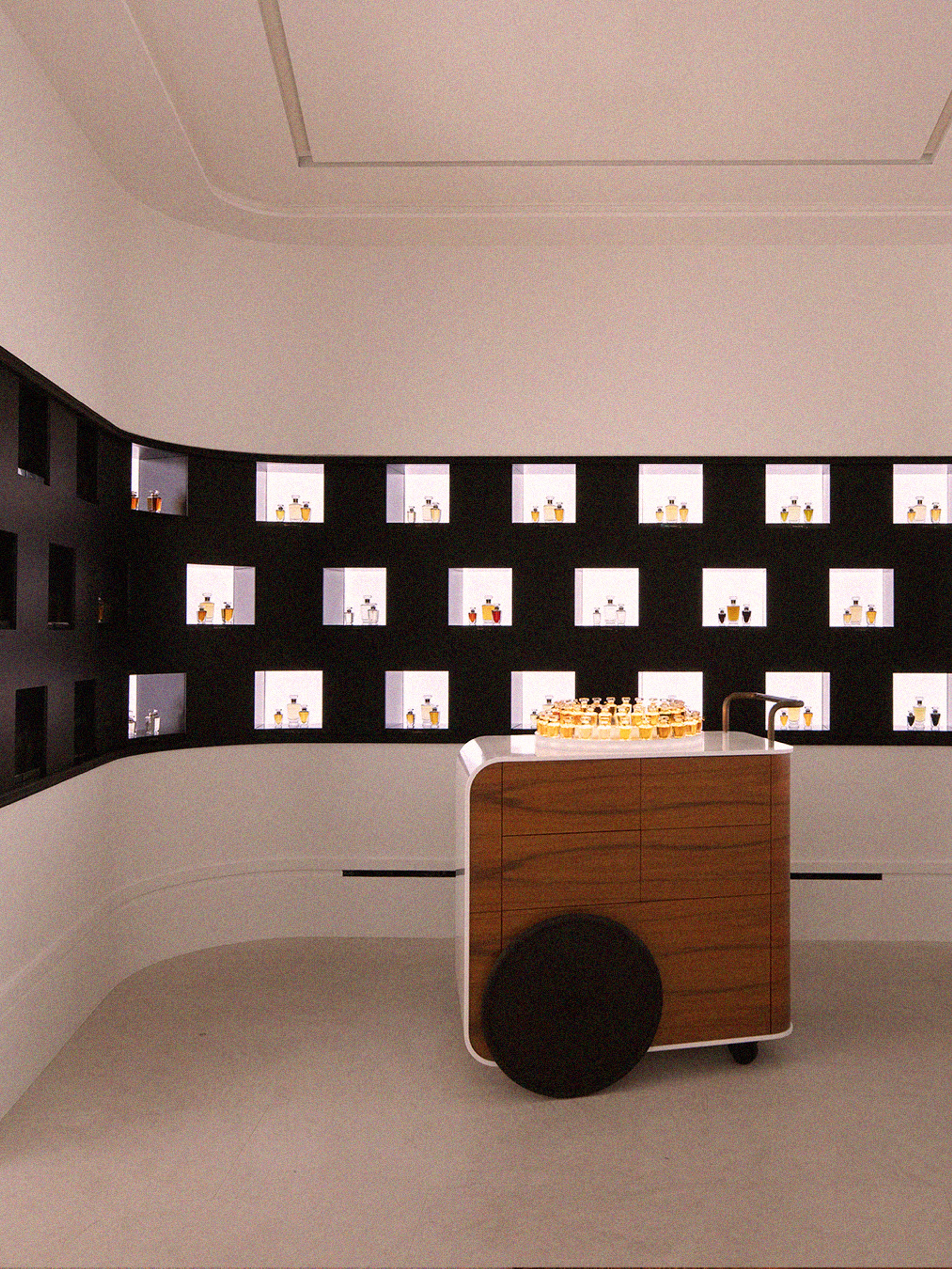
He helped me design our first boutique concept, Salon Parfum, at Harrods over 10 years ago. I told him I didn’t want something cold or commercial or intimidating—I wanted a home, somewhere people could sit, take time, and feel. That set the tone for everything since.
AS: That philosophy extends to your product design too, like the Clic-Clac. How did that come about?
ALC: Our clients had started traveling with dozens of bottles. We realized there was a need for something elegant, portable, and tactile. So we developed the Clic-Clac—a daily-use object with watchmaking-level precision, housing a solid perfume capsule. It’s a fusion of tradition and technology, but still handmade and steeped in our perfumery roots. It lets people carry their scent wardrobe in a meaningful, beautiful way. It’s high-priced, I must say, but it’s a consequence of this crazy development, the materials used, the difficulty of doing it, and even the perfume inside. For each fragrance, we have to do so many tests, because it has to fit and work perfectly in such a thin capsule. It becomes an accessory that gives you a sense of comfort, and it’s also part of your personality. The right gesture and the right accessory—sometimes you remember one person because of these things. It’s something that today, we just don’t consider enough.
AS: How do your clients usually use fragrance?
ALC: Our clients don’t just wear one signature perfume. Like with clothing, they use scent to reflect mood, season, occasion. And many of them are collectors. Some have loved the house for decades, others are discovering it for the first time. We hear from families who’ve inherited bottles from parents or grandparents, who want to know the story behind the perfumes. That emotional connection is quite powerful.
We’ve also worked with collectors over the years to design limited-edition bottles in crystal or custom creations. There’s a long tradition of treating fragrance not just as a product, but as an heirloom.
AS: It becomes an object to inherit, like a beautiful watch or gemstone. What kind of role do you see Henry Jacques playing today?
ALC: Perfume is the most intimate luxury—it touches the soul. And yet, in the market, it’s often treated as superficial. We want to restore that sense of depth. In our boutiques, we have space for conversation. People can sit, learn, explore ingredients and scent. We’re planning to open in New York eventually, and that will be part of the experience there, too.
AS: You lead a brand, oversee production, and maintain creative direction. How do you stay grounded?
ALC: It’s not easy. I have to manage everything from agriculture to HR to design to international strategy. It’s overwhelming. That’s why I come to places like Sicily. I call it taking my oxygen mask. If I don’t create space to reset, the inspiration dries up.
Clarity comes when I step back. When I feed myself with beauty—nature, music, art, conversation—that’s when the vision sharpens again. You can’t stay clear in chaos. You need slowness. You need distance.
AS: What advice would you give to someone building their own path in beauty or fragrance?
ALC: Don’t lie. Don’t compromise your instinct. Say no, even when it’s hard. And take the time to listen—to the world, to your own sense of what’s right. That’s what will guide you.
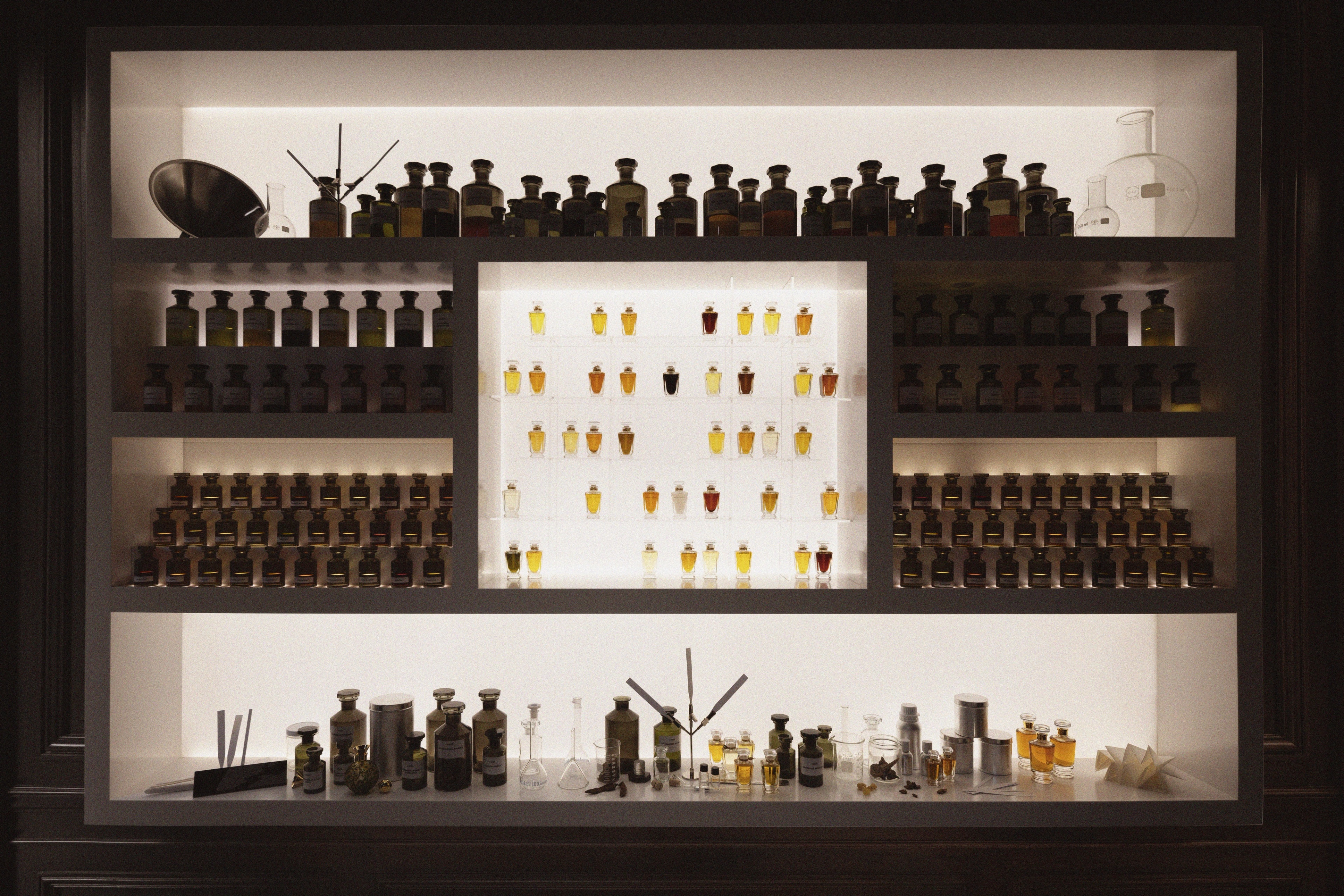
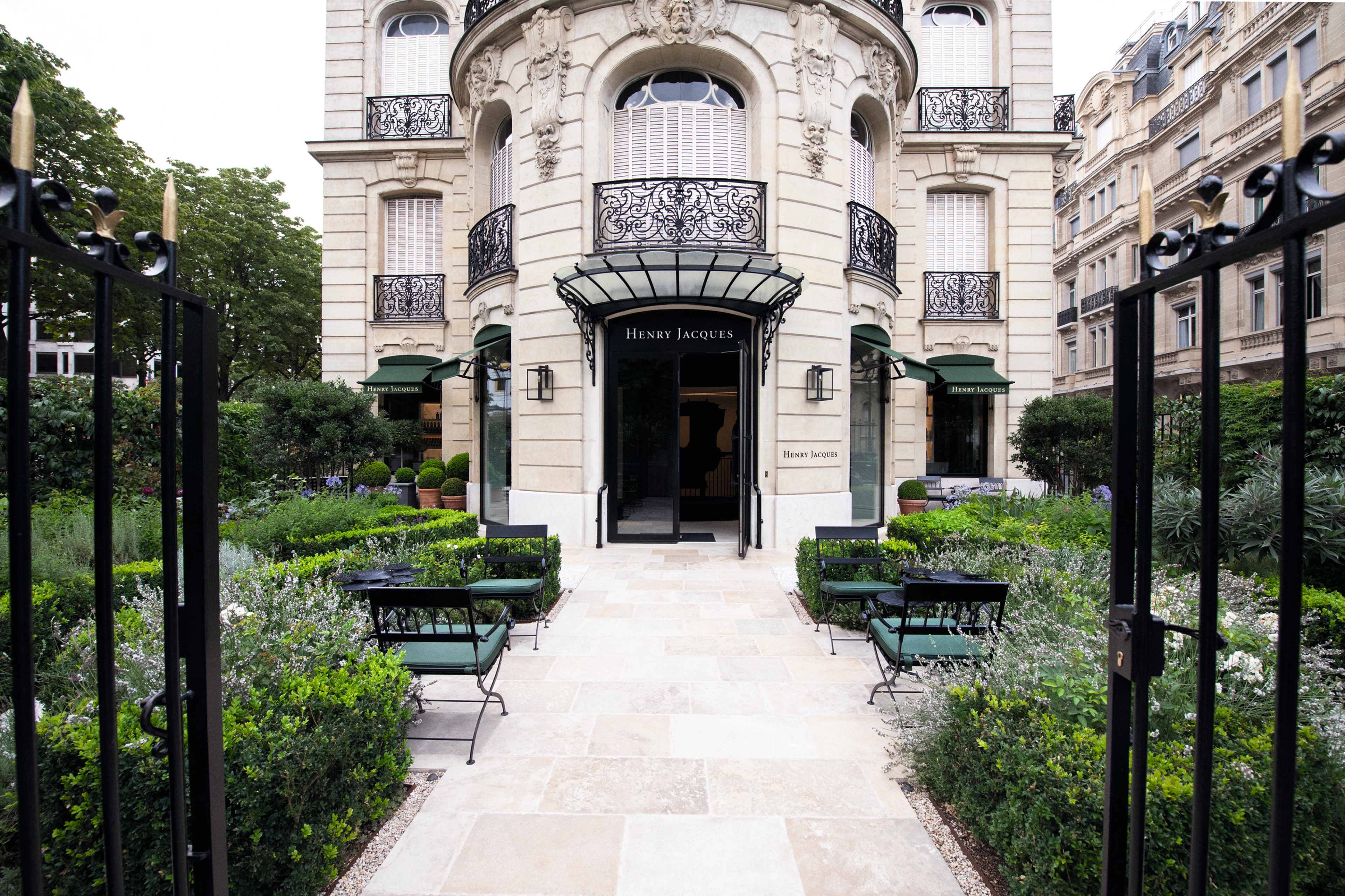
“People think instinct is a flash of inspiration, but really it’s your education, experiences, and values all synthesized.”
PHOTOGRAPHY
ALESSANDRO SILVESTRI
Beyond Noise 2026
PHOTOGRAPHY
ALESSANDRO SILVESTRI
Beyond Noise 2026
