Noise
EARTH PARTNER: DEFINING TOMORROW
DEFINING TOMORROW
Words: 423
Estimated reading time: 2M
THE EARTH PARTNER PRIZE ANNOUNCES ITS 2025 WINNERS, COMING TOGETHER IN A POWERFUL CALL TO CARE FOR THE PLANET
By Morgan Becker
“The energy, color, ideas, and boldness of young people,” says Carlos Manuel Rodríguez, “is what will define the world we live in tomorrow.”
Carlos, CEO of the Global Environment Facility (GEF), is one of many forces behind this year’s Earth Partner Prize, an international contest inviting artists of all mediums, between the ages of 14 and 30, to submit work commenting on the climate crisis. This year they saw a record number of submissions, from over 110 countries. Amber Olson Testino, President of Art Partner and founder of its sustainability arm, expresses her awe at the project’s evolution—how “every single year… such a breadth of themes and creative styles mix to form a single, powerful call to care for the planet.”
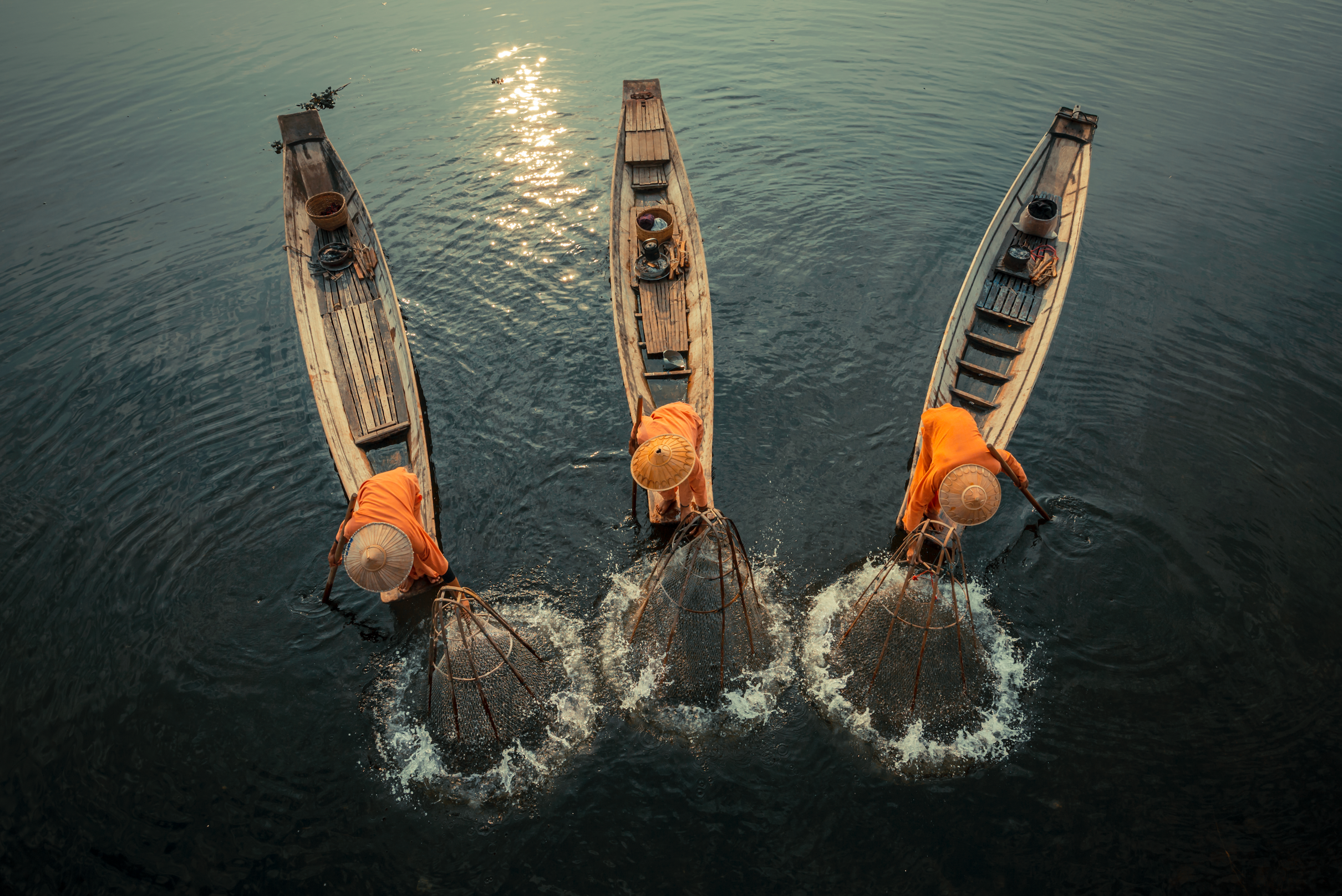
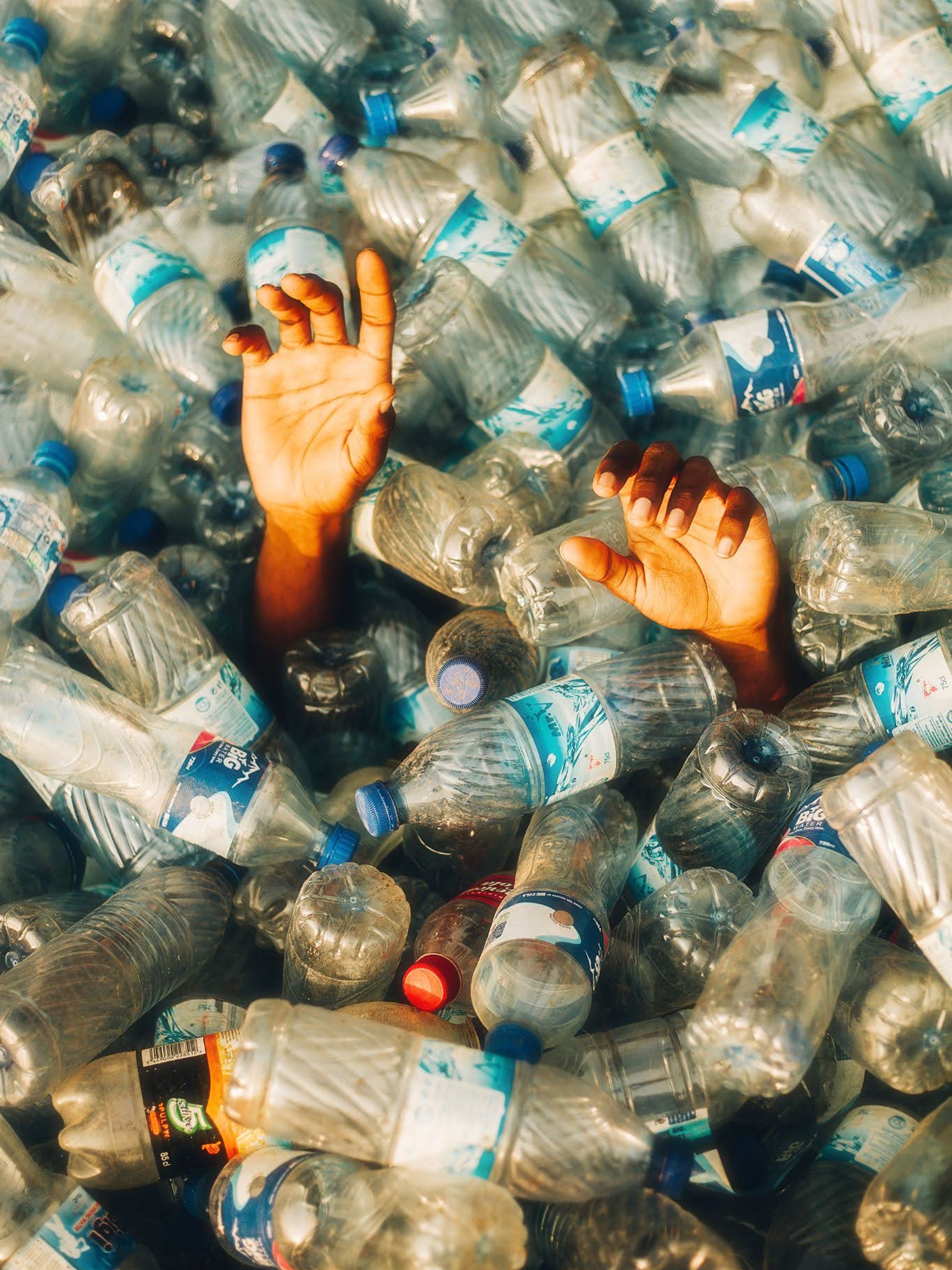
The Earth Partner Prize sets out to platform young voices, generating awareness, dialogue, and action ahead of each year’s UN Climate Change Conference. Through its partnership with GEF, this year’s winners will showcase on the ground in Belém, Brazil, at COP’s Climate Funds pavilion. Front and center, audiences will bear witness to the work of Apah Benson of Nigeria, whose photographs spotlight the oil spills of the Niger Delta and their effects on the Okpare people; of Abandokht Tohidi Moghadam, who devised an animation on the issue of corporate greenwashing; and of Kyaw Zay Yar Lin, who documented traditional fishing methods in Myanmar, emphasizing their requisite skill but also their community function.
Says Hans Ulrich Obrist—curator, critic, and one of the jurors responsible for selecting the winning artworks—one of his main criteria rested on a single question: “How do these projects address a need to move away from “short-termism,” and lead us in thinking with a long-term lens?”
Beyond Noise gets the answer straight from the top-three artists, determining what drove them to create, what they’ll do with their newfound platforms, and what they see as the most important action their generation must take moving forward.
APAH BENSON, NIGERIA
Words: 407
Estimated reading time: 2M
FIRST-PLACE PHOTO SERIES ON OIL SPILLS IN THE NIGER DELTA, AND THEIR EFFECTS ON THE OKPARE PEOPLE
How did The Last of Us come to be?
The Last of Us began as a reflection on the fragile relationship between humanity and nature in my immediate environment, Delta State. Living in Nigeria, I often witness how communities surrounded by abundance gain little from it; their lands yield wealth that seldom returns to them, while they bear the burden of environmental degradation. Through photography, I sought to tell stories of resilience and interdependence, capturing how people continue to adapt, care, and coexist with a changing ecosystem, amid extraction and uncertainty. The work also seeks to draw attention to the persistent neglect of these communities by the very institutions entrusted with their protection and well-being.
How’d you come across the Earth Partner Prize; and now that you’ve won, how do you hope to utilize your platform?
I had been following the Earth Partner Prize for a while since it resonated deeply with my practice, which often engages with ecological and cultural narratives. Winning the prize is a humbling affirmation of my vision to create both visually compelling and impactful work. I hope to use this platform to expand community-centered environmental projects in Nigeria, especially in OML Communities in Delta State, collaborating with local artists and educators to create visual dialogues around sustainability and Indigenous ecological wisdom.
In your view, what’s the most important action your generation can take in the face of the climate crisis?
I believe the most important action is collective accountability—recognizing that every creative act, conversation, and lifestyle choice can contribute to change. For my generation, it’s also about reclaiming narratives: using art, media, and technology to inspire empathy and awareness, particularly in communities where the climate conversation feels distant or abstract. Change begins when people can see themselves in the story.
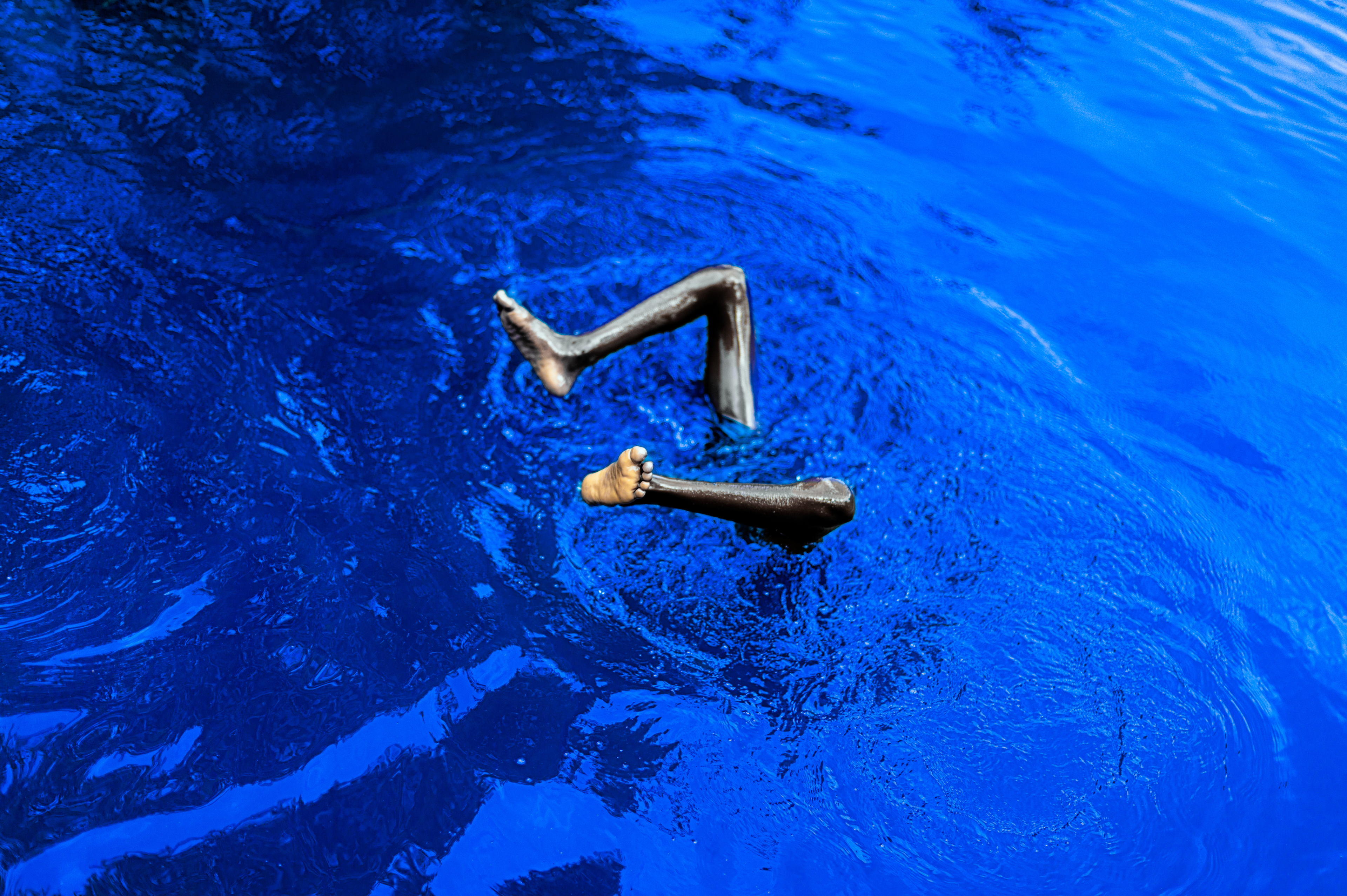
'Drowning,' Apah Benson.
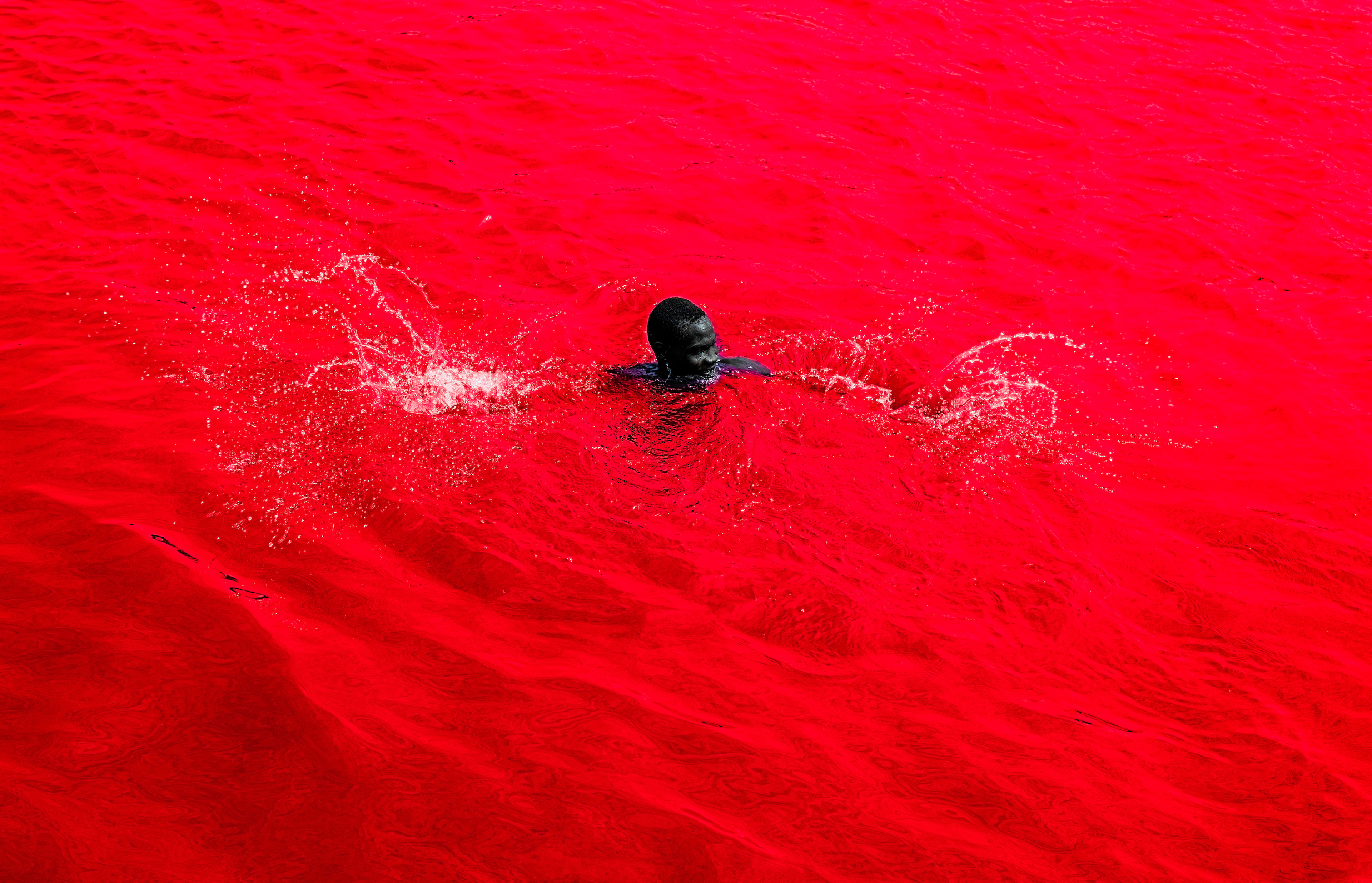
'Red Sea II,' Apah Benson.
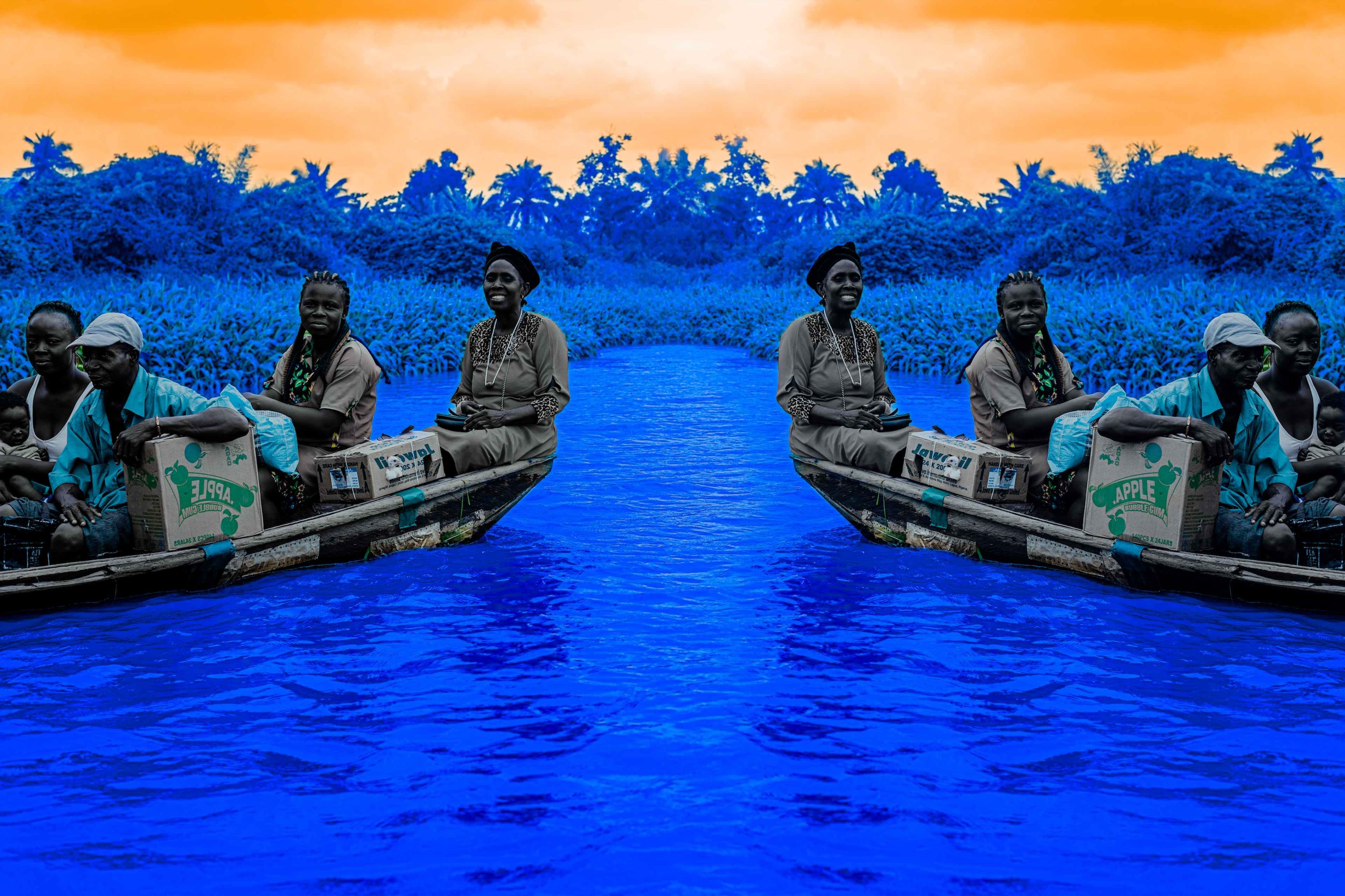
'The Last of Us I,' Apah Benson.
ABANDOKHT TOHIDI MOGHADAM, IRAN
Words: 556
Estimated reading time: 3M
SECOND-PLACE STOP-MOTION ANIMATION ON THE CORPORATE GREENWASHING OF RECYCLING
How did Something Suspicious come to be?
I initially made Quelque chose qui cloche—or, in English, Something Suspicious—for the contest Une Minute pour la Planète, held by the French embassy in Iran. It won the first-place prize, a one-month linguistic stay in Nice. The idea of studying French in Nice would entice anyone, but I [was lucky] that this year’s focus was environmental causes. I had something to say, and had built up annoyance against corporations. All I needed was the excuse.
I decided to showcase the greenwashing of recycling by corporations, portrayed by the disgusting claymation factory-creature in my film—the way they put it above all other environmental efforts, such as reducing and reusing, because it is least damaging to the flow of production and sales. I started with a simple storyboard, then made puppets using leftover materials from my time at university, my old childhood clothes, and aluminum wire. For the mountains of trash, I used papier-mâché, parts of old toys—and, of course, trash. My wonderful online friends from France, Julie, Yann, and Louise, dubbed the characters. Without them I would’ve never stopped procrastinating.
How'd you come across the Earth Partner Prize; and now your work has been recognized, how do you hope to utilize the platform?
Another one of my friends, Joel, told me about it. At first I was hesitant, but with the help of some positive peer pressure, [I was] convinced that I had a chance and that I shouldn’t lose this opportunity. It was my first time participating in an international competition. I will use the prize to study film in France next year and work on more projects in the future—whether they be environmentally-centered projects, or projects about other subjects with environmentally-conscious use of materials.
In your view, what’s the most important action your generation can take in the face of the climate crisis?
I think the first step is to change public perception of climate change activism, so that it’s not treated with the apathy it is currently treated with. My generation has done this with other political causes already. We see the impact of climate change more clearly, and it’s our future that’s affected by it—for us, the danger is imminent. I hope that with different forms of art, we can inform the general public that they are directly affected by [ecological crises], without vague descriptions of “future generations.” Art has always had the ability to spark empathy in the viewer, towards characters, other people, or even a cause. If we put these crises in the back of their minds, in their daily lives, they will consequently change their habits and question harmful policies.
KYAW ZAY YAR LIN, MYANMAR
Words: 358
Estimated reading time: 2M
SECOND-PLACE PHOTO SERIES ON TRADITIONAL FISHING METHODS IN SHAN STATE, AS SKILL AND COMMUNITY PRACTICE
How did Fishermen of Inle Lake come to be?
Fishing has existed as a means of obtaining food since the Mesolithic period. It can be seen all around the world. In my country, fishing is the livelihood and basic work [of many]. My series depicts the fishermen of Inle lake, Shan State, Myanmar.
These fishermen stay by the water, in bamboo “leggy” houses. They wear Shan ethnic dress. Some use fish nets, [others] fish weir. They throw them until they tire. They boat by leg-rowing—the famous method of the Shan ethnic group. Early morning is the perfect time for them to go fishing. A day [where they] catch a lot of fish is a happy day for them. But sometimes, they catch none. Fishing is hard work, from sunrise to sunset. Fishermen can’t feel the beauty of nature, because their attention is on the fish.
After fishing, they sell to fishmongers or in floating markets. Then they rest together on their boats, chatting into the evening. They work in water and they rest in water. Their [customs] are distinct from those on the land, adhering to traditional ethnic fashions.
How’d you come across the Earth Partner Prize; and now that you’ve won, how do you hope to utilize your platform?
I learned about the Earth Partner Prize through social media. I hope to use this platform to promote rural development and sustainable agriculture.
In your view, what’s the most important action your generation can take in the face of the climate crisis?
Reducing plastic usage, home waste, and caring for nature are the most important actions my generation can take in the face of climate change. Fishermen and villagers from Inle lake should save the [coastal region] by cleaning up.
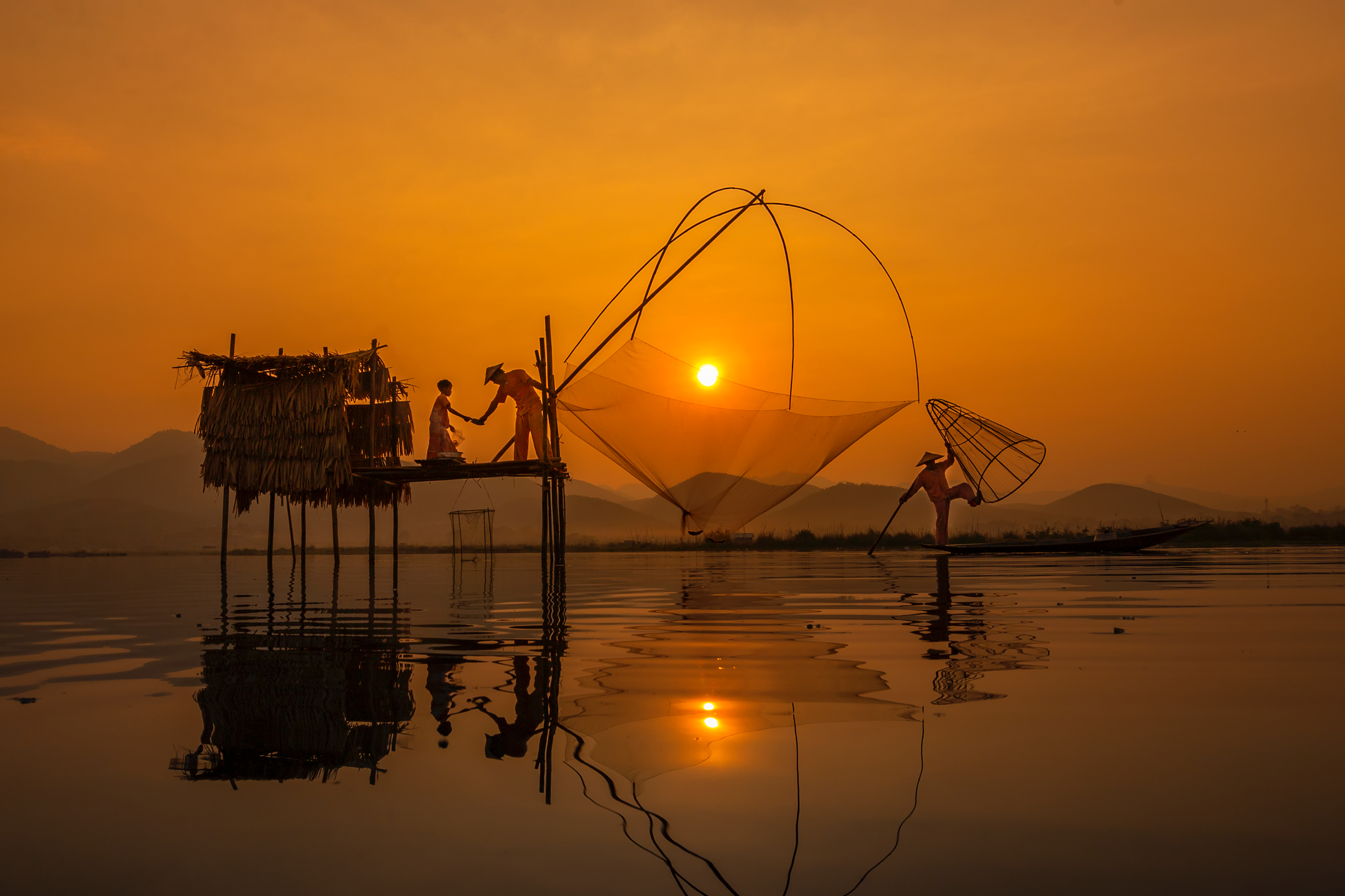
'Fishermen of Inle Lake,' Kyaw Zay Yar Lin.